
Multi-Car Insurance for Seniors — West Virginia
Free to compare
When Adding a Second Vehicle Changes Your Premium
You own two cars, maybe three. You're retired or nearing retirement, and you're trying to figure out whether putting all your vehicles on one policy saves money or whether each car should sit on its own policy. The carrier quoted you a multi-car discount, but the combined premium came back higher than you expected.
The structural reality: West Virginia does not require multi-vehicle households to combine policies, but the multi-car discount almost always requires every vehicle to sit on the same policy and share a garaging address. If one car is titled to a household member on a different policy, or if vehicles are garaged at different addresses, the discount may not apply. This article walks through how the multi-car discount works in West Virginia, what carriers require to honor it, and how to structure coverage across your household's vehicles.
“A smaller discount on a lower base rate can beat a larger discount on a higher one.”
Get More Than the West Virginia Minimum for Less
Get My West Virginia Car Insurance Quote$25,000 / $50,000 / $25,000
West Virginia Liability Minimums
West Virginia requires $25,000 bodily injury per person, $50,000 bodily injury per accident, and $25,000 property damage. Every vehicle on your policy must carry at least these limits, and adding a second or third vehicle re-rates the entire policy at the combined liability exposure.
West Virginia Division of Motor Vehicles
What the Multi-Car Discount Actually Requires
The multi-car discount is not automatic. Carriers apply it when every vehicle you own sits on the same policy, under the same named insured, and is garaged at the same address. If you and your spouse each have a separate policy, combining them into one policy with both vehicles typically qualifies for the discount. If one vehicle is titled to an adult child living at a different address, that car may not count toward the same-policy requirement.
West Virginia does not mandate the multi-car discount, and carriers set their own eligibility rules. Some carriers require all drivers in the household to be listed on the policy; others allow you to exclude a household member if they have their own coverage. The discount percentage varies by carrier, and the base rate matters more than the discount itself. A smaller discount on a lower base rate can beat a larger discount on a higher one.
Adding a vehicle mid-term re-rates the policy rather than simply adding a flat amount. The carrier recalculates your premium based on the combined liability exposure, the garaging address, and the driving records of everyone listed on the policy. If you add a third vehicle and your premium jumps more than expected, the increase reflects the re-rating, not just the cost of insuring the new car.
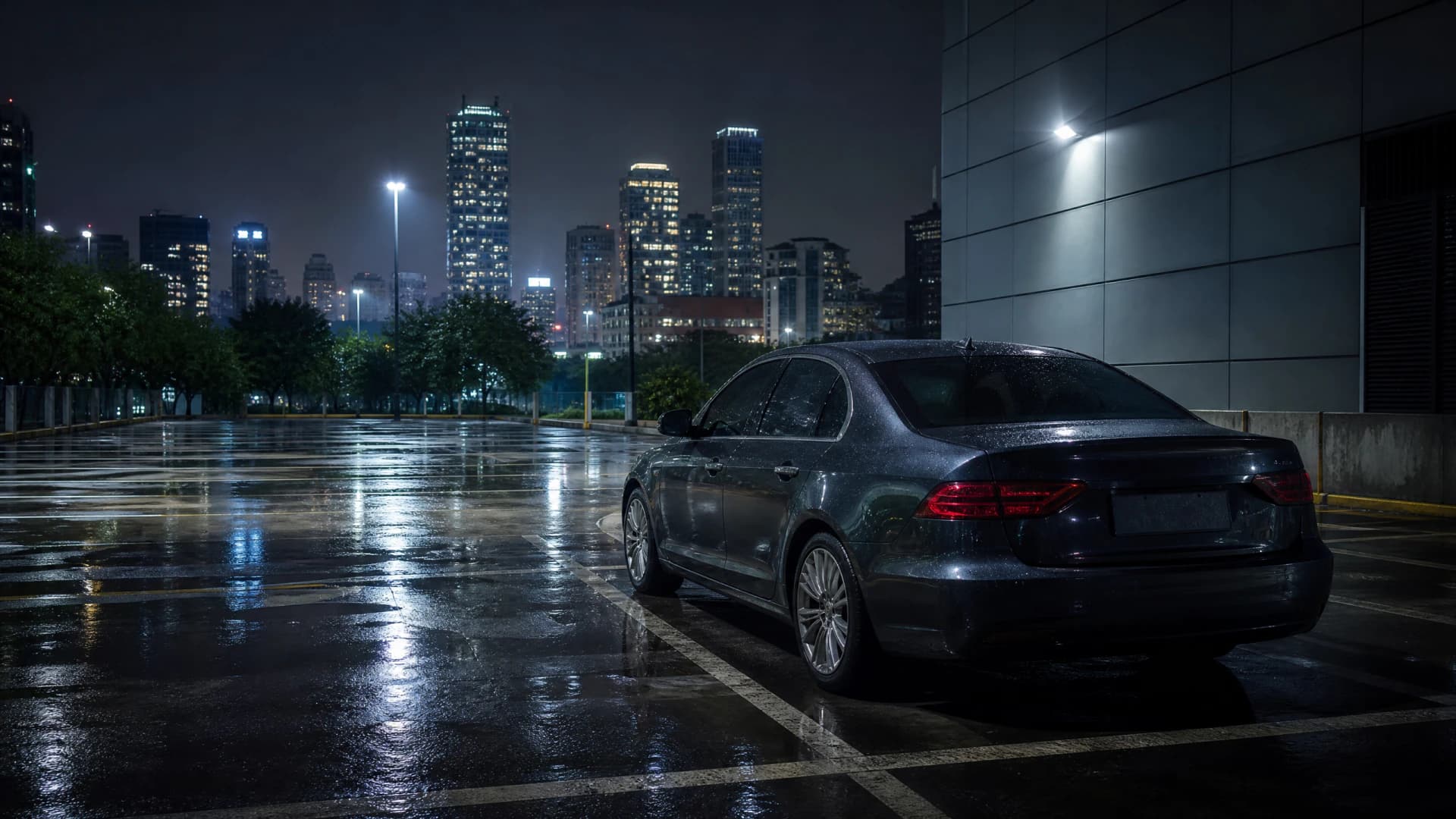
The multi-car discount requires every vehicle on the same policy. A car titled to someone outside the household or garaged at a different address may disqualify the discount entirely.
Related Articles
Multi-Car Insurance Cost in West Virginia
7/15/2026
Senior Driver Multi-Car Insurance Cost WV
7/15/2026
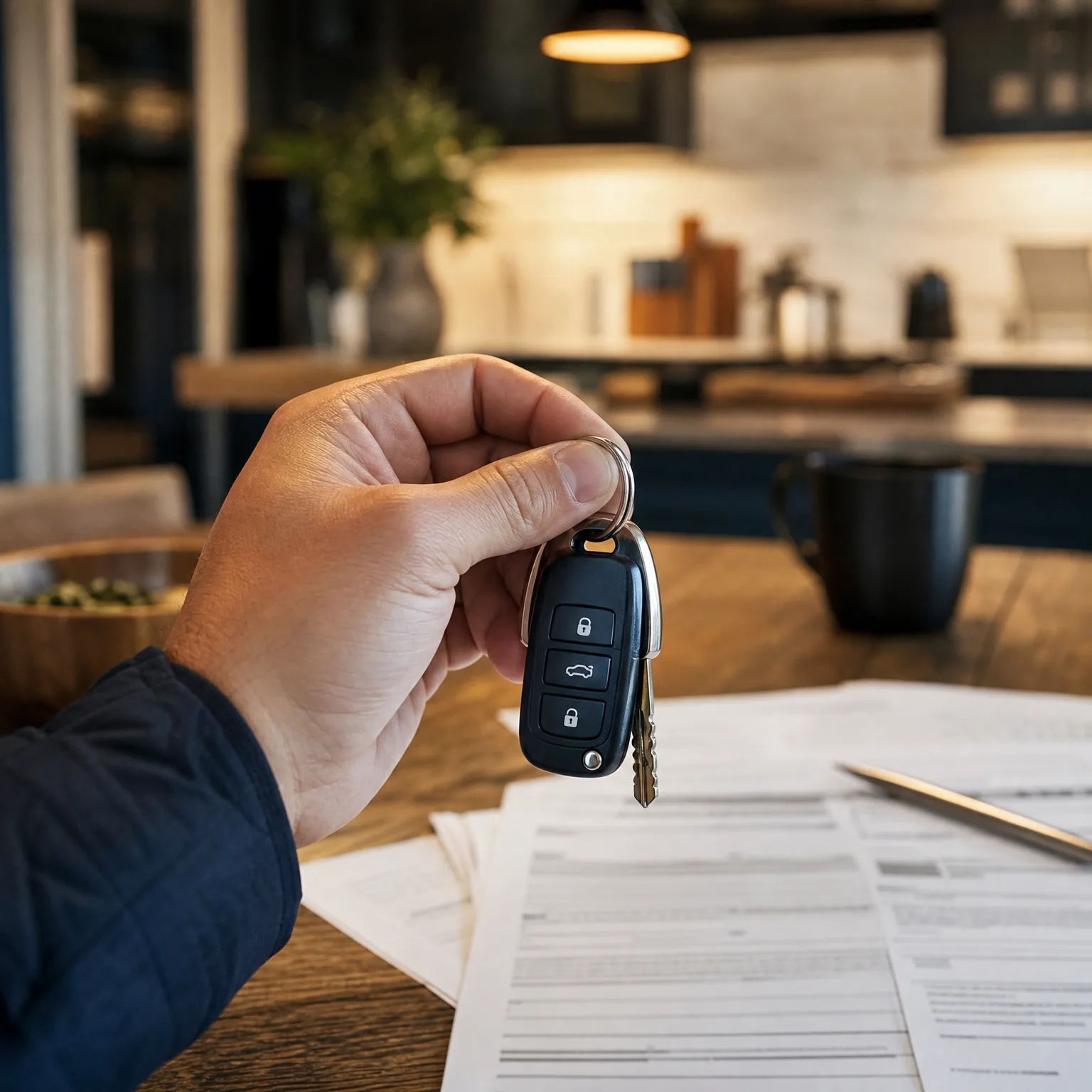
Multi-Car Insurance Savings in West Virginia
7/15/2026

Cheap Multi-Car Insurance in West Virginia
7/15/2026

Cheapest Full Coverage in West Virginia
7/15/2026

Multi-Car Insurance Clean Record West Virginia
7/15/2026
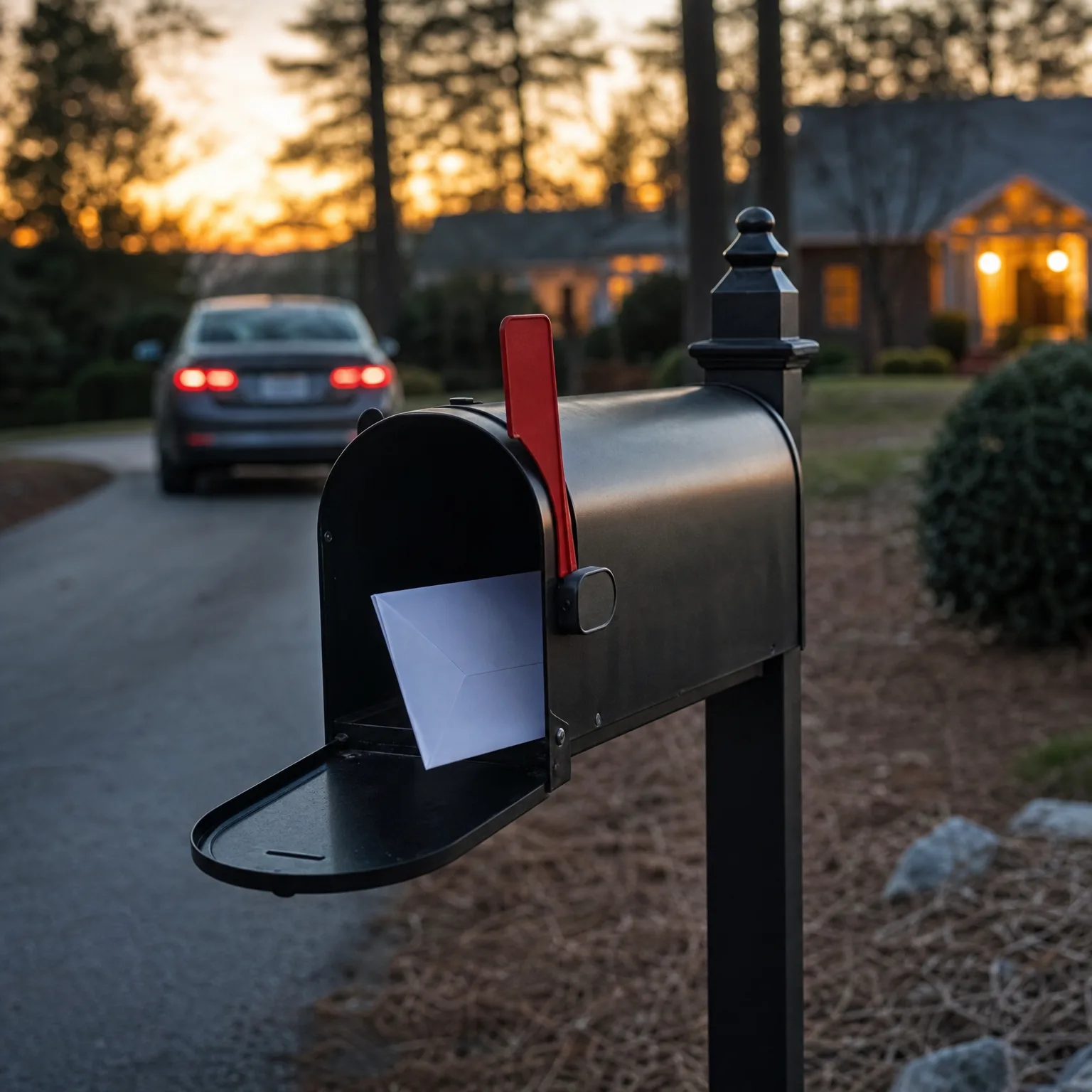
West Virginia Coverage Requirements and How They Apply to Multiple Vehicles
West Virginia enforces compulsory insurance through the Online Insurance Verification Program. Every registered vehicle must carry at least $25,000 bodily injury per person, $50,000 bodily injury per accident, and $25,000 property damage. West Virginia also requires uninsured motorist coverage at the same limits unless you reject it in writing. When you add a second or third vehicle to your policy, each vehicle must meet these minimums.
West Virginia does not use SR-22 or any high-risk filing certificate. The old proof-of-financial-responsibility framework was repealed. No multi-year filing is required. This matters for senior households because a lapsed policy on one vehicle can trigger a suspension that affects your ability to register any vehicle in the household.
Full coverage (comprehensive and collision) is not required by West Virginia law, but lenders require it if you finance or lease a vehicle. If you own both vehicles outright, you can drop collision and comprehensive on the older car and keep it on the newer one. Choose a $500 or $1,000 deductible based on what you can afford to pay out of pocket at claim time. Dropping collision on a vehicle worth less than ten times the annual collision premium is a common rule of thumb.
7.8%
Uninsured Motorists in WV
West Virginia's uninsured motorist rate is 7.8 percent as of 2023. Uninsured motorist coverage is required at the same limits as your liability coverage unless you reject it in writing. This coverage protects you when another driver causes an accident and has no insurance.
Insurance Research Council, 2023

Comparing Carriers That Write Multi-Vehicle Policies in West Virginia
Nineteen carriers write auto insurance in West Virginia, and most write multi-vehicle policies. Geico, Progressive, State Farm, Nationwide, Allstate, and Farmers all write multi-car policies and offer online quotes. USAA writes multi-vehicle policies for military members and their families. The General and Dairyland write non-standard policies for drivers with violations or lapses, and both write multi-vehicle coverage.
Request quotes from at least three carriers. Provide the same coverage selections, deductibles, and driver information to each carrier so you can compare base rates directly. The multi-car discount percentage varies by carrier, but the base rate matters more. A carrier with a smaller discount and a lower base rate may beat a carrier with a larger discount and a higher base rate. Ask each carrier what they require to honor the multi-car discount: same policy, same garaging address, same named insured, or all drivers listed.
What to Do Right Now
Pull your current policy declarations page and confirm how many vehicles are listed, what coverage each vehicle carries, and whether the multi-car discount is applied. If you own two or more vehicles and they sit on separate policies, request a combined-policy quote from your current carrier and at least two others. If you recently added a vehicle and your premium jumped more than expected, call your carrier and ask for a breakdown of the re-rating: how much of the increase is the new vehicle, and how much is the combined liability exposure.
Compare carriers that write multi-vehicle policies in West Virginia. Use the state's minimum liability limits as your baseline, then decide whether to add uninsured motorist coverage above the minimum, and whether to keep collision and comprehensive on every vehicle or drop it on the older car. The comparison tool on this site lets you compare coverage options and carriers side by side. Start there, then request quotes directly from the carriers that fit your household's vehicle count and garaging situation.
How to Structure Coverage Across Multiple Vehicles
Combining two existing policies after marriage or a household move typically lowers the combined premium, but not always. If one spouse has a clean driving record and the other has recent violations or claims, the combined policy may price higher than keeping them separate. Request quotes both ways before canceling either policy. Carriers writing in West Virginia include Geico, Progressive, State Farm, and Nationwide, among others. Compare at least three carriers that write multi-vehicle policies in your county.
Adding a vehicle to an existing policy mid-term triggers a re-rating. The carrier recalculates your premium based on the new vehicle's year, make, model, garaging address, and how it will be used. If you buy a second car and do not report it within the carrier's grace period (typically 14 to 30 days), the unreported vehicle may be denied at claim time. Call your carrier the day you take possession, confirm the grace period, and add the vehicle before the window closes. Keeping vehicles on separate policies costs more in most cases, but it may make sense if one vehicle is a classic or rarely-driven car that qualifies for a low-mileage or collector policy.
Get Your Free Quote
Get My West Virginia Car Insurance QuoteFrequently Asked Questions
Does West Virginia require multi-car insurance for households with multiple vehicles?
West Virginia does not require multi-car insurance. You can insure each vehicle on a separate policy. The multi-car discount is a carrier offering, not a state mandate, and it typically requires every vehicle to sit on the same policy and share a garaging address.
How does adding a second vehicle to my policy affect my premium in West Virginia?
Adding a second vehicle re-rates your entire policy based on the combined liability exposure, the new vehicle's year and make, and the driving records of everyone listed on the policy. The increase reflects the re-rating, not just the cost of insuring the new car.
Can I get the multi-car discount if my spouse and I have separate policies in West Virginia?
You can get the multi-car discount by combining your separate policies into one policy with both vehicles listed. Most carriers require every vehicle to sit on the same policy under the same named insured to honor the discount.
What happens if I do not report a newly purchased vehicle to my carrier in West Virginia?
If you do not report a newly purchased vehicle within your carrier's grace period (typically 14 to 30 days), the unreported vehicle may be denied coverage at claim time. Call your carrier the day you take possession and add the vehicle before the grace period closes.
Does West Virginia require SR-22 filing for multi-vehicle households?
West Virginia does not use SR-22 or any high-risk filing certificate. The old proof-of-financial-responsibility framework was repealed.
Should I keep collision coverage on both vehicles if I own them outright?
You can drop collision and comprehensive on the older vehicle and keep it on the newer one if you own both outright. A common rule of thumb is to drop collision on a vehicle worth less than ten times the annual collision premium.