
Cheapest Car Insurance for Teen Drivers — West Virginia
Free to compare
Why Your Multi-Car Premium Jumped When You Added a Teen
Your teenager just got their West Virginia license and you added them to your existing multi-car policy. The premium increase wasn't just for the car they drive — it re-rated every vehicle on the policy. That's the structural reality most households miss: adding a teen driver to a multi-car policy recalculates the entire policy's risk profile, not just the incremental cost of one more car.
West Virginia requires teen drivers to complete a Graduated Driver Licensing program before they can drive independently: learner's permit at 15, intermediate license at 16 after holding the permit for 6 months and logging 50 supervised hours, and full license at 18. During the intermediate phase, your teen faces a 10pm-5am night restriction and passenger limits (no passengers younger than 20 for the first 6 months, then max 1 for the next 6 months, family exempt). Carriers price these restrictions into the teen's risk profile, and that risk spreads across every vehicle on your household policy.
“Adding a teen to a multi-car policy re-rates every vehicle on the policy, not just the car they drive.”

Get More Than the West Virginia Minimum for Less
Get My West Virginia Car Insurance Quote25/50/25
West Virginia Minimum Liability
West Virginia requires $25,000 bodily injury per person, $50,000 per accident, and $25,000 property damage. Uninsured motorist coverage is mandatory. These minimums apply to every vehicle on your policy, including the car your teen drives.
West Virginia state minimum liability requirements
How the Multi-Car Discount Works with a Teen Driver
The multi-car discount applies when you insure two or more vehicles on the same policy. Most carriers require every vehicle to sit on one policy and share a garaging address. When you add a teen driver, the discount still applies — you're not losing the multi-car benefit — but the base premium for every vehicle increases because the carrier now considers a higher-risk driver in the household.
West Virginia households with three or four vehicles see the largest dollar-amount increases when adding a teen, even though the percentage increase may be the same. The multi-car discount reduces the per-vehicle cost, but it doesn't shield you from the teen-driver surcharge that applies across the policy. The teen re-rates the entire household risk pool.
Some carriers let you assign the teen to a specific vehicle as the primary driver, which concentrates the surcharge on that car. Others spread the teen's risk across all vehicles equally. Ask your carrier how they calculate teen-driver assignment before you finalize the addition. If you own a lower-value vehicle, assigning the teen to that car as primary can reduce the total increase compared to assigning them to your newest or most expensive vehicle.

Adding a teen to a multi-car policy re-rates every vehicle on the policy, not just the car they drive. The multi-car discount still applies, but the base premium for every vehicle increases.
Related Articles






Same Policy or Separate Policy for Your Teen
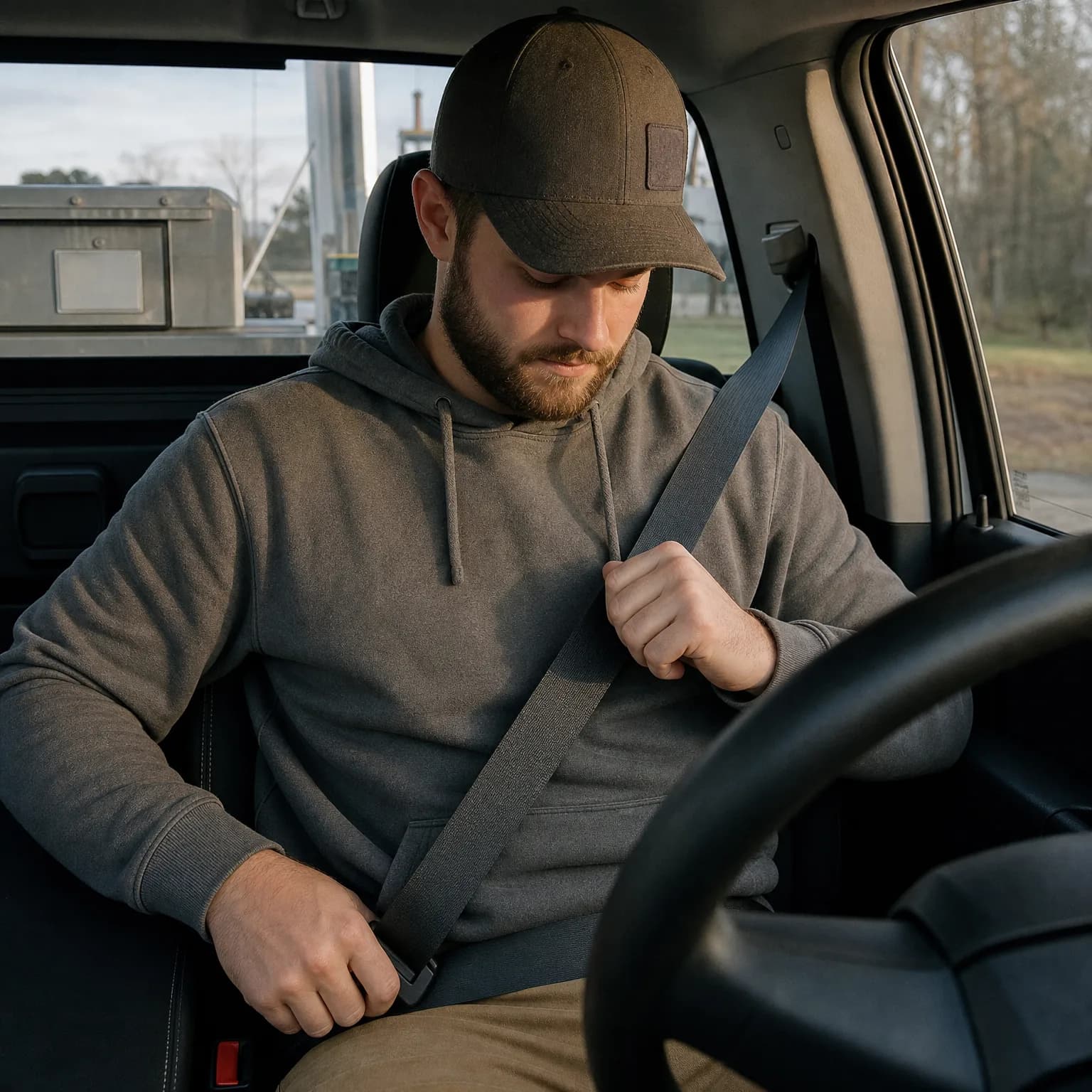
Most West Virginia households save money by keeping the teen on the existing multi-car policy rather than buying a separate policy for the teen's car. A separate policy loses the multi-car discount and eliminates the household risk pooling that spreads the teen's surcharge across multiple vehicles. A standalone teen policy typically costs more than adding the teen to your existing policy, even after the multi-vehicle premium increase.
The exception: if your teen owns their car outright, titles it in their own name, and garages it at a different address (college, for example), a separate policy may be required. Most carriers will not extend your household multi-car policy to a vehicle garaged outside your primary address. In that case, the teen needs their own policy. If the car stays garaged at your address and titled to you or jointly, keep it on your multi-car policy.
When your teen turns 18 and completes the Graduated Driver Licensing program, some carriers reduce the surcharge. The reduction is not automatic — you may need to notify the carrier that your teen now holds a full license. West Virginia does not require a separate notification to the DMV when a teen transitions from intermediate to full license at 18, but your carrier may ask for proof of the full license before adjusting the rate.
7.8%
West Virginia Uninsured Motorist Rate
West Virginia's uninsured motorist rate is 7.8 percent. Uninsured motorist coverage is mandatory in West Virginia, which protects your household if your teen is hit by a driver without insurance. This coverage applies to every vehicle on your multi-car policy.
West Virginia state insurance statistics, 2023
Liability Limits and Coverage Fit for a Multi-Car Household with a Teen
West Virginia's minimum liability limits — $25,000 bodily injury per person, $50,000 per accident, $25,000 property damage — apply to every vehicle on your policy. When you add a teen driver, those minimums do not increase, but your exposure does. A teen driver is statistically more likely to cause an at-fault accident, and if your teen injures someone or damages property beyond your liability limits, you pay the difference out of pocket.
The incremental cost of higher limits is typically smaller than the cost of the teen-driver surcharge itself, and it protects your household assets if your teen causes a serious accident. Uninsured motorist coverage, which is mandatory in West Virginia, should match your liability limits so you're protected if your teen is hit by a driver without insurance or with insufficient coverage.
Compare Carriers That Write Multi-Car Policies with Teen Drivers
West Virginia households with multiple vehicles and a teen driver should compare quotes from at least three carriers before renewing or switching. The teen-driver surcharge varies significantly by carrier, and the carrier that offered the best rate before you added the teen may not be the best rate after. State Farm, Geico, and Progressive all write multi-car policies with teen drivers in West Virginia, but their pricing models differ. One may assign the teen to a specific vehicle; another may spread the risk across all vehicles equally.
When you compare quotes, ask each carrier how they calculate the teen-driver surcharge, whether they offer a good-student discount (typically requires a B average or higher), and whether completing a driver education course reduces the premium. West Virginia does not mandate driver education for teens, but many carriers discount the teen surcharge if the teen completes an approved course. The discount varies by carrier — some offer 5 to 10 percent off the teen portion of the premium; others offer a flat dollar amount. Verify the discount applies to your multi-car policy structure before you enroll the teen in a course.
Which West Virginia Carriers Write Teen Drivers on Multi-Car Policies
State Farm, Geico, Progressive, Nationwide, and Farmers all write teen drivers on multi-car policies in West Virginia. These carriers let you add a teen to an existing household policy without forcing a separate policy. Allstate and Liberty Mutual also write teens but may price higher for households with multiple vehicles and a new driver. USAA writes teen drivers for military families and typically offers competitive multi-car rates, but eligibility is limited to military members and their families.
Dairyland and The General write non-standard and high-risk drivers, including teens with violations or accidents, but they may not offer the same multi-car discount structure as standard carriers. If your teen already has a ticket or at-fault accident, these carriers may be your best option for keeping the entire household on one policy. Compare quotes from at least three carriers that write multi-car policies with teen drivers before you commit.
Get Your Free Quote
Get My West Virginia Car Insurance QuoteFrequently Asked Questions
Does adding a teen driver to my West Virginia multi-car policy increase the premium on every vehicle?
Yes. Adding a teen driver re-rates the entire policy, not just the car the teen drives. The multi-car discount still applies, but the base premium for every vehicle on the policy increases because the carrier recalculates the household risk profile to include the teen.
Should I put my West Virginia teen driver on a separate policy or add them to my multi-car policy?
Most West Virginia households save money by adding the teen to the existing multi-car policy. A separate policy loses the multi-car discount and typically costs more. The exception is when the teen's car is titled in their name and garaged at a different address, which may require a separate policy.
Which West Virginia carriers write teen drivers on multi-car policies?
State Farm, Geico, Progressive, Nationwide, Farmers, Allstate, and Liberty Mutual all write teen drivers on multi-car policies in West Virginia. USAA writes teens for military families. Dairyland and The General write teens with violations or accidents but may not offer the same multi-car discount structure.
What are West Virginia's minimum liability limits for a multi-car policy with a teen driver?
$25,000 bodily injury per person, $50,000 per accident, and $25,000 property damage. Uninsured motorist coverage is mandatory.
Does West Virginia require driver education for teen drivers?
No. West Virginia does not mandate driver education for teens, but many carriers discount the teen-driver surcharge if the teen completes an approved course. The discount varies by carrier — ask before enrolling.
When does the teen-driver surcharge decrease in West Virginia?
Some carriers reduce the surcharge when the teen turns 18 and completes the Graduated Driver Licensing program. The reduction is not automatic — notify your carrier when your teen receives a full license. Rates typically drop further at age 25.
Can I assign my West Virginia teen driver to a specific vehicle on my multi-car policy?
Some carriers let you assign the teen as the primary driver of a specific vehicle, which concentrates the surcharge on that car. Others spread the teen's risk across all vehicles equally. Ask your carrier how they calculate teen-driver assignment before finalizing the addition.