
Out-of-State Car Registration & Insurance — West Virginia
Free to compare
The Registration Window After an Out-of-State Purchase
You bought a car in Pennsylvania, Ohio, or another state and drove it home to West Virginia. Now you need to register it with the West Virginia DMV and add it to your existing multi-car policy. The DMV will not register the vehicle until you provide proof of West Virginia liability insurance showing the car is garaged at your West Virginia address. The insurance certificate must name the vehicle by VIN and show coverage that meets West Virginia's minimum liability limits: $25,000 bodily injury per person, $50,000 per accident, and $25,000 property damage.
West Virginia law requires uninsured motorist coverage on every policy, so your carrier will add that automatically when you report the new vehicle. The registration window is 30 days from the date you establish residency or bring the vehicle into the state for permanent use. Miss that window and you risk a lapse in coverage if the out-of-state policy expires or if your carrier's grace period for newly-acquired vehicles runs out before you complete the registration.
“The DMV checks coverage electronically when you register the car and again at renewal through the Online Insurance Verification Program.”
Get More Than the West Virginia Minimum for Less
Get My West Virginia Car Insurance Quote$25,000 / $50,000 / $25,000
WV Minimum Liability Limits
West Virginia requires $25,000 bodily injury per person, $50,000 per accident, and $25,000 property damage. Uninsured motorist coverage is mandatory on every policy. The DMV verifies coverage electronically through the Online Insurance Verification Program before issuing registration.
West Virginia Division of Motor Vehicles
Why the Garaging Address Matters for Multi-Car Policies
The West Virginia DMV requires the insurance certificate to show the vehicle is garaged at a West Virginia address. If your existing multi-car policy lists a different garaging address for your other vehicles, your carrier will update the policy to reflect the new vehicle's location. That update triggers a re-rating of the entire policy, not just the newly-added car. Rates vary by ZIP code in West Virginia based on theft rates, accident frequency, and population density. A vehicle garaged in Charleston will carry a different rate than one garaged in a rural county, even on the same policy.
When you add the out-of-state car, your carrier will ask where the vehicle is garaged and whether it shares the same address as your other cars. If all vehicles are garaged at the same West Virginia address, the multi-car discount applies to the full policy. If the new car is garaged at a different address within the state, some carriers will still apply the discount as long as the policy remains in one household's name. If the vehicle is titled to someone outside your household or garaged at an address not associated with your policy, the discount may not apply to that vehicle.
The structural reality: West Virginia's Online Insurance Verification Program links your vehicle registration directly to your insurance policy. The DMV checks coverage electronically when you register the car and again at renewal. If the garaging address on the insurance certificate does not match the address on the registration application, the DMV will reject the application until the discrepancy is resolved.
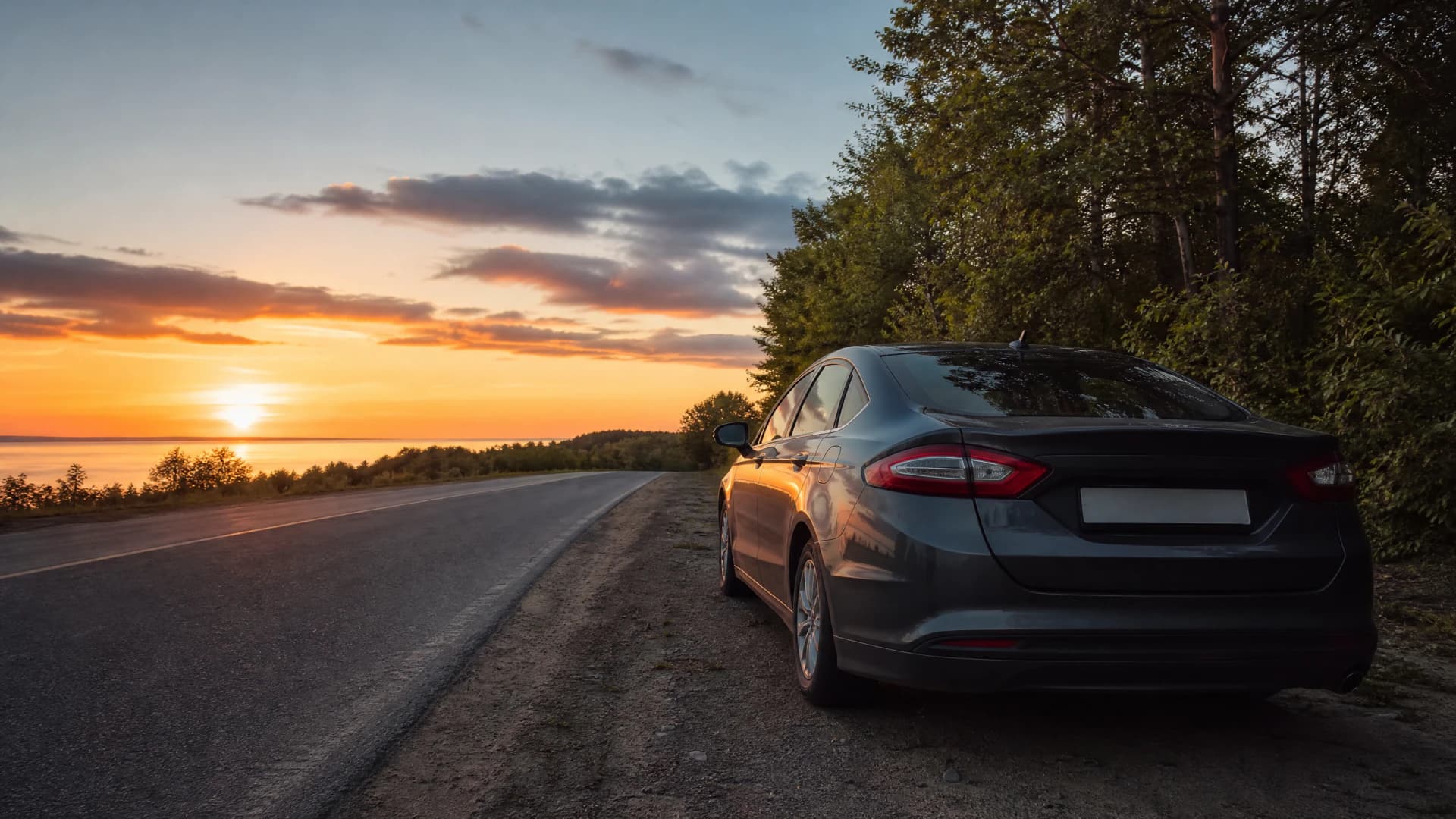
The DMV will not register the out-of-state car until the insurance certificate shows a West Virginia garaging address and meets state minimum liability limits.
Related Articles
The Re-Rating Moment and What It Means for Your Premium
Adding a vehicle mid-term re-rates the entire policy. Your carrier recalculates the premium for every car on the policy based on the updated household profile: the total number of vehicles, the garaging address for each, the coverage selections, and the driving records of everyone in the household. The new total premium is prorated from the date you add the vehicle through the end of the current policy term. You will owe the difference between the old premium and the new premium for the remaining months of the term.
The re-rating can produce a higher or lower per-vehicle rate depending on the specifics. A third or fourth vehicle often lowers the per-vehicle rate because the multi-car discount scales with the number of cars on the policy. A newer or more expensive vehicle can raise the rate if it requires full coverage. A vehicle garaged in a higher-rate ZIP code can raise the rate for the entire policy if the carrier uses the highest-rated garaging address to set the base rate.
West Virginia allows carriers to use credit-based insurance scores, so if your credit has changed since you last renewed, the re-rating will reflect that. The carrier will also check the driving records of everyone in the household when you add the vehicle. If a household member has accumulated points or violations since the last renewal, those will appear in the re-rated premium. The re-rating is a full recalculation, not an incremental adjustment.
Some carriers will not add a vehicle to an existing policy if the vehicle is titled to someone outside the household or if the primary driver is not listed on the policy. In that case, the vehicle will need its own policy, and the multi-car discount will not apply across the two policies. If you are adding a car for a household member who is not currently listed as a driver on your policy, you will need to add that person as a driver at the same time you add the vehicle.
18 carriers
WV Multi-Car Policy Carriers
Eighteen carriers write multi-vehicle policies in West Virginia, including Allstate, Farmers, Geico, Progressive, State Farm, and USAA. Not every carrier writes coverage for all vehicle types or all driver profiles, so the number of carriers available to your household depends on the specifics of your situation.
West Virginia Division of Motor Vehicles carrier roster

What Happens If You Register Before Adding the Car to Your Policy
The West Virginia DMV will not complete registration until you provide proof of insurance. The Online Insurance Verification Program checks coverage electronically when you submit the registration application. If the vehicle is not listed on a West Virginia liability policy at the time you apply, the system will reject the application. You cannot register the car first and add insurance later.
If you are still covered by an out-of-state policy on the vehicle, that policy does not satisfy West Virginia's registration requirement. The DMV requires proof of West Virginia liability insurance with a West Virginia garaging address. The out-of-state policy may cover you while you are driving the car home, but it will not allow you to register the vehicle in West Virginia. You must add the car to a West Virginia policy before the DMV will issue plates and registration.
Compare Carriers Before You Add the Vehicle
Adding a vehicle mid-term re-rates your policy, and the new premium may be higher than you expect. Before you add the car, compare what other carriers would charge for a policy covering all your vehicles, including the newly-purchased one. Some carriers offer better multi-car discounts than others. Some carriers rate vehicles garaged in certain ZIP codes more favorably. Some carriers specialize in households with three or more vehicles and offer lower per-vehicle rates for larger fleets.
Request quotes from at least three carriers. Provide the VIN, year, make, and model of the new vehicle, the West Virginia garaging address, and the details of your other vehicles. Ask each carrier how they calculate the multi-car discount and whether the discount applies to every vehicle or only to the second and subsequent vehicles. Ask whether the carrier uses the highest-rated garaging address to set the base rate or rates each vehicle individually. The answers will vary, and the difference in total premium can be significant. Use the comparison to decide whether to add the vehicle to your existing policy or move all your vehicles to a new carrier that offers a better rate for your updated household profile.
Adding the Vehicle to Your Existing Policy
Call your carrier as soon as you have the title in hand. Provide the VIN, the year, make, and model, and the West Virginia address where the car will be garaged. The carrier will add the vehicle to your policy and issue a WV-1B Certificate of Insurance showing the new car and the garaging address. That certificate is what the DMV requires to complete registration. The carrier will also re-rate the policy at that moment. Adding a vehicle mid-term does not simply add a flat amount to your premium; it recalculates the rate for every vehicle on the policy based on the updated household profile.
If you bought the car with a loan, the lienholder will require collision and comprehensive coverage in addition to liability. Your carrier will add those coverages when you report the vehicle, and the premium will reflect the full coverage cost. If you own the car outright and your other vehicles carry only liability, you can choose to add liability only to the new car. The multi-car discount applies to the policy as a whole, so the per-vehicle rate for each car will adjust when the new vehicle is added, even if the new car carries different coverage than the others.
Get Your Free Quote
Get My West Virginia Car Insurance QuoteFrequently Asked Questions
Can I register an out-of-state car in West Virginia with my current insurance?
Only if your current insurance is a West Virginia liability policy that lists the vehicle by VIN and shows a West Virginia garaging address. An out-of-state policy will not satisfy the DMV's registration requirement. You must add the car to a West Virginia policy before the DMV will issue registration.
How long do I have to register a car I bought out of state?
West Virginia law requires registration within 30 days of establishing residency or bringing the vehicle into the state for permanent use. The DMV will not register the car until you provide proof of West Virginia liability insurance showing the vehicle is garaged at a West Virginia address.
Does adding a car to my policy change the rate for my other vehicles?
Yes. Adding a vehicle mid-term re-rates the entire policy. Your carrier recalculates the premium for every car based on the updated household profile, including the total number of vehicles, garaging addresses, coverage selections, and driving records. The per-vehicle rate can go up or down depending on the specifics.
Will the multi-car discount apply to a car garaged at a different address?
It depends on the carrier. Most carriers apply the multi-car discount as long as all vehicles are on the same policy and titled to the same household, even if they are garaged at different West Virginia addresses. Some carriers require all vehicles to share the same garaging address. Ask your carrier how they apply the discount before you add the vehicle.
What if the out-of-state car is titled to someone not on my policy?
Most carriers will not add a vehicle to your policy if it is titled to someone outside your household or if the primary driver is not listed on the policy. The vehicle will need its own policy, and the multi-car discount will not apply across the two policies. If the titled owner is a household member, you can add that person as a driver and add the vehicle at the same time.