
Updating Your Address on West Virginia Car Insurance
Free to compare
When Moving Triggers a Policy Change
You moved to a new address in West Virginia, and now you need to update the garaging location on your car insurance policy. If you insure two or more vehicles on one policy, you're wondering whether the address change will simply update the mailing address or whether it will re-rate every vehicle based on the new location's risk profile.
The answer depends on whether the new address changes the garaging ZIP code. West Virginia carriers use garaging location — where the vehicles are parked overnight — to calculate premiums. When that location changes, the carrier re-rates the entire policy, not just one vehicle. For households insuring multiple cars, that means every vehicle's premium adjusts to reflect the new address's theft rate, accident frequency, and claims history.
“The address update re-rates every vehicle on your policy based on the new location's theft rate, accident frequency, and claims history.”

Get More Than the West Virginia Minimum for Less
Get My West Virginia Car Insurance Quote30 days
WV Address Update Window
West Virginia carriers typically require policyholders to report address changes within 30 days of the move. Missing this window can void coverage if a claim occurs and the carrier determines the garaging location was materially misrepresented.
What the Address Change Actually Updates
An address update on a West Virginia multi-vehicle policy changes three things: the mailing address where documents are sent, the garaging location where each vehicle is parked overnight, and the rating territory the carrier uses to calculate premiums. The first is administrative. The second and third directly affect cost.
Garaging location determines the risk profile the carrier assigns to each vehicle. A move from a rural county to Charleston changes the theft rate, accident frequency, and uninsured-motorist density the carrier uses to price coverage. When you update the address, the carrier re-rates every vehicle on the policy based on the new location's claims history. That re-rating can raise or lower premiums depending on whether the new address sits in a higher-risk or lower-risk ZIP code.
West Virginia does not allow carriers to refuse an address update, but the carrier can adjust premiums immediately. If the new address increases risk, the premium rises at the next billing cycle. If it decreases risk, you may see a reduction. Either way, the change applies to all vehicles on the policy, not just the one you drive most often.
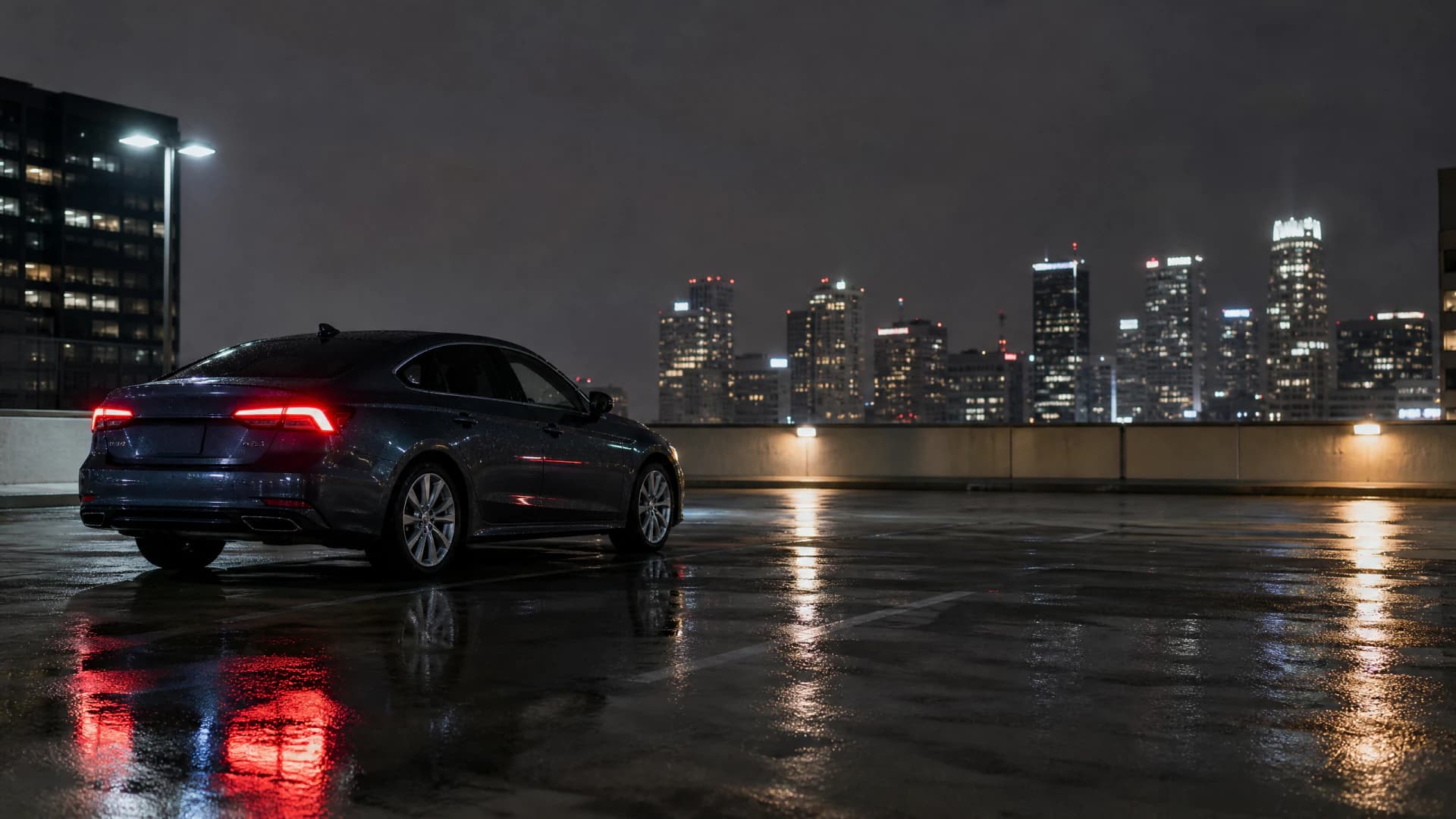
The address update re-rates every vehicle on your policy, not just one. A move to a higher-risk ZIP code raises premiums across all cars.
Related Articles
West Virginia Car Insurance Requirements
7/15/2026

Switching Car Insurance When Moving to WV
7/15/2026
Out-of-State Insurance for WV Multi-Car Homes
7/15/2026
Out-of-State Insurance After WV Move
7/15/2026

Moving to West Virginia Car Insurance Guide
7/15/2026
Multi-Car Coverage Requirements West Virginia
7/15/2026
When the New Address Changes Your Multi-Car Discount
West Virginia carriers typically require all vehicles on a multi-car policy to be garaged at the same address. If you move and one vehicle will now be garaged at a different location — for example, a college-age driver's car parked at a campus address while the other vehicles stay at your new home — the carrier may remove that vehicle from the multi-car discount or require you to split it onto a separate policy.
When you update your address, confirm with the carrier that all vehicles on the policy will be garaged at the new location. If one vehicle will be parked elsewhere, ask whether the carrier allows different garaging addresses on the same policy. Some carriers permit it with documentation; others require the vehicle to move to its own policy. Losing the multi-car discount on one vehicle can cost more than the premium increase from the address change itself.
If the carrier requires a separate policy for the vehicle garaged elsewhere, compare the cost of two policies against the cost of keeping all vehicles on one policy with the higher-risk address. In some cases, splitting the policy costs less than rating all vehicles at the higher-risk location.
$25,000 / $50,000 / $25,000
WV Minimum Liability Limits
West Virginia requires $25,000 bodily injury per person, $50,000 bodily injury per accident, and $25,000 property damage. These minimums apply to every vehicle on your policy, and the address update does not change the coverage requirements.
West Virginia state minimum liability requirements
What Happens If You Don't Update Your Address
West Virginia carriers can deny a claim if the garaging location on file does not match where the vehicle was actually parked when the loss occurred. If you move and do not update your address within the carrier's required window — typically 30 days — and then file a claim, the carrier can investigate whether the vehicle was garaged at the address on the policy. If it was not, the carrier can deny the claim for material misrepresentation.
Material misrepresentation means you provided incorrect information that affected the carrier's decision to insure you or the premium it charged. Garaging location is one of the most common sources of misrepresentation claims. A vehicle garaged in a high-theft ZIP code but rated at a low-theft address gives the carrier grounds to void coverage. For multi-vehicle policies, that risk multiplies: if any vehicle on the policy was garaged at an address different from what the carrier has on file, the entire policy can be voided.
Updating your address protects coverage validity. Even if the new address raises your premium, the increase is smaller than the cost of a denied claim. West Virginia does not require carriers to notify you before denying a claim for address misrepresentation, and once coverage is voided, you cannot recover the denied claim amount.
How Moving Affects Your Uninsured Motorist Coverage
West Virginia requires uninsured motorist coverage on every auto policy. When you update your address, the carrier re-rates your uninsured motorist premium based on the new location's uninsured-driver density. ZIP codes with higher percentages of uninsured drivers cost more to insure, because the likelihood of a claim against your uninsured motorist coverage increases.
West Virginia's uninsured motorist rate is 7.8 percent statewide, but county-level rates vary. A move from a rural county with low uninsured-driver density to an urban area with higher density raises your uninsured motorist premium. That increase applies to every vehicle on your policy. If you carry uninsured motorist coverage above the state minimum, the address change affects that higher limit as well.

Compare Carriers After the Address Update
Once your carrier provides the new premium for your updated address, compare that rate against quotes from other carriers writing in West Virginia. Carriers price the same garaging location differently based on their claims experience in that ZIP code. A carrier with high claims volume in your new area may charge more than a carrier with lower volume, even though both are rating the same address.
West Virginia allows 18 carriers writing multi-vehicle policies, including State Farm, Geico, Progressive, Allstate, Nationwide, and USAA. Request quotes from at least three carriers, and provide the same coverage limits and deductibles you currently carry. Compare the total premium for all vehicles on the policy, not just the per-vehicle cost. A carrier offering a smaller multi-car discount but a lower base rate can beat a carrier with a larger discount on a higher base. Use the comparison to decide whether switching carriers saves more than staying with your current carrier at the new address.
How to Update Your Address with Your Carrier
Log in to your carrier's online portal or mobile app and navigate to the policy details section. Select the option to update your address, enter the new street address, city, and ZIP code, and confirm the garaging location for each vehicle. The system will display the new premium before you finalize the change. If the premium increases and you want to adjust coverage to offset the cost, you can modify deductibles or drop optional coverages at the same time.
If you update by phone or through an agent, ask for the new premium before confirming the change. Some carriers allow you to delay the effective date of the address update to align with your next renewal, which gives you time to compare rates from other carriers if the increase is significant. West Virginia does not require you to stay with your current carrier after a move, and switching carriers mid-term is allowed as long as you maintain continuous coverage.
Get Your Free Quote
Get My West Virginia Car Insurance QuoteFrequently Asked Questions
Do I have to update my car insurance address if I move within West Virginia?
Yes. West Virginia carriers require you to report address changes within 30 days of moving. The garaging location affects your premium, and failing to update it can void coverage if a claim occurs and the carrier determines the address on file was incorrect.
Will updating my address raise my car insurance premium in West Virginia?
It depends on the new address. If the new ZIP code has higher theft rates, accident frequency, or uninsured-driver density than your old address, your premium will increase. If the new address has lower risk, your premium may decrease. The carrier re-rates every vehicle on your policy based on the new location.
Can I keep my multi-car discount if one vehicle is garaged at a different address?
Most West Virginia carriers require all vehicles on a multi-car policy to be garaged at the same address. If one vehicle will be parked elsewhere, the carrier may remove it from the multi-car discount or require you to move it to a separate policy. Ask your carrier whether different garaging addresses are allowed on the same policy.
How long does it take to update my address with my West Virginia car insurance carrier?
Updating your address online or by phone takes less than 10 minutes. The carrier applies the new premium at your next billing cycle, typically within 30 days. Some carriers allow you to delay the effective date to align with your renewal if you want time to compare rates from other carriers.
What happens if I file a claim before updating my address in West Virginia?
The carrier can deny the claim if the vehicle was garaged at an address different from what the policy shows. West Virginia carriers treat incorrect garaging location as material misrepresentation, which voids coverage. Update your address within 30 days of moving to preserve coverage validity.