
Licensed Car Insurance Companies — West Virginia
Free to compare
Which Carriers Are Licensed in West Virginia
You are adding a second or third vehicle to your household policy, or you are combining two separate policies after a move or marriage, and you need to know which insurance carriers are actually licensed to write auto policies in West Virginia. Not every national carrier operates in every state, and not every licensed carrier writes multi-vehicle policies with the same-policy discount structure that makes insuring multiple cars affordable.
West Virginia licenses 18 auto insurance carriers that write policies for resident drivers. These include national carriers like State Farm, Geico, Progressive, Allstate, and USAA, regional carriers like Erie, and non-standard carriers like The General and Dairyland. The roster includes carriers rated A+ or A++ by AM Best and carriers that specialize in households with multiple vehicles or drivers. Knowing which carriers are licensed is the first step; understanding which ones write the multi-car discount your household needs is the second.
“The carrier with the lowest single-vehicle premium does not always offer the lowest multi-car premium.”

Get More Than the West Virginia Minimum for Less
Get My West Virginia Car Insurance Quote18 carriers
WV Licensed Auto Insurers
West Virginia licenses 18 auto insurance carriers to write policies for resident drivers, including national, regional, and non-standard carriers. The roster includes carriers rated A+ and A++ by AM Best.
West Virginia Division of Insurance carrier licensing data
How the Multi-Car Discount Works in West Virginia
The multi-car discount applies when you insure two or more vehicles on the same policy. Most carriers require every vehicle to be titled or registered to the same household and garaged at the same address. The discount reduces the per-vehicle premium because the carrier underwrites the entire household once rather than rating each car separately.
Not every licensed carrier structures the discount the same way. Some carriers apply the discount automatically when you add a second vehicle; others require you to request it. A few carriers offer a larger discount when you add a third or fourth vehicle. The discount typically ranges from a modest percentage off each vehicle's base premium to a flat reduction per additional car, but the actual savings depend on the carrier's underwriting model and your household's risk profile.
The critical structural rule: the multi-car discount almost always requires every vehicle to sit on the same policy. A vehicle titled to a household member on a separate policy does not count toward the same-policy requirement, even if both policies are with the same carrier. If you are combining two policies after marriage or a move, you will need to merge them into one policy to qualify for the multi-car discount.
West Virginia does not mandate a multi-car discount by statute. Carriers offer it as a competitive product feature. That means the discount's size and structure vary by carrier, and not every licensed carrier emphasizes multi-vehicle households. When you compare carriers, ask explicitly whether they write multi-car policies and how the discount applies to your household's vehicle count.
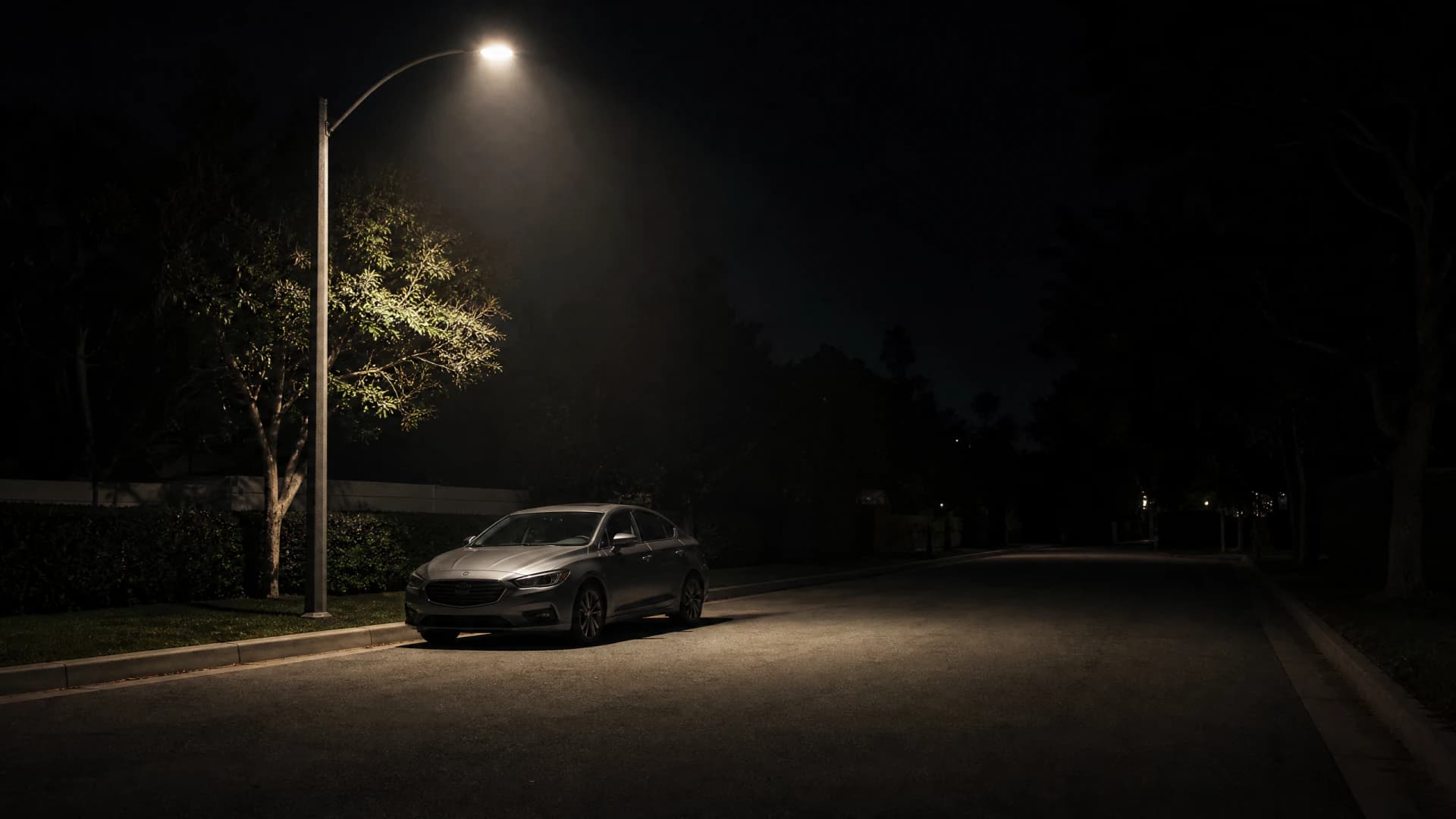
The multi-car discount requires every vehicle on the same policy. A vehicle titled to someone on a different policy does not count, even with the same carrier.
Related Articles



What Happens When You Add a Vehicle Mid-Term
Adding a vehicle to an existing policy mid-term re-rates the entire policy rather than simply adding a flat amount. The carrier recalculates the premium for every vehicle on the policy based on the new household risk profile. If the newly added vehicle is a higher-risk model or driven by a higher-risk driver, the premium for the existing vehicles may increase as well.
Most carriers provide a grace period during which a newly purchased vehicle is automatically covered under your existing policy. The grace period typically lasts 14 to 30 days, but the exact window varies by carrier. You must notify the carrier and add the vehicle to the policy within that window to maintain coverage. If you miss the window and the vehicle is involved in a claim before you report it, the carrier can deny the claim.
When you add a vehicle mid-term, the multi-car discount applies immediately to the newly added vehicle and may increase the discount on the existing vehicles if your household moves into a higher vehicle-count tier. The carrier will issue an endorsement adjusting the premium for the remainder of the policy term. At renewal, the carrier re-rates the entire policy based on the full household vehicle count and applies the multi-car discount to the annual premium.
$25,000 / $50,000 / $25,000
WV Minimum Liability Limits
West Virginia requires minimum liability coverage of $25,000 per person for bodily injury, $50,000 per accident for bodily injury, and $25,000 per accident for property damage. Every vehicle on your policy must meet these minimums.
West Virginia Code §17D-4-2

Comparing Carriers for Your Household
When you compare carriers for a multi-vehicle household, request quotes from at least three licensed carriers and ask each one how the multi-car discount applies to your specific vehicle count. The carrier with the lowest single-vehicle premium does not always offer the lowest multi-car premium. A smaller discount on a lower base rate can beat a larger discount on a higher one.
West Virginia does not use an SR-22 or high-risk filing certificate. The state enforces compulsory insurance through the Online Insurance Verification Program, which allows law enforcement and the DMV to verify coverage electronically. After an insurance-violation suspension, reinstatement requires current proof of West Virginia liability insurance and payment of the reinstatement fee. Every licensed carrier in West Virginia can provide the WV-1B Certificate of Insurance required for reinstatement.
What to Do Right Now
Start by confirming which carriers are licensed in West Virginia and write multi-car policies. Use the carrier roster above to identify three to five carriers that match your household's vehicle count and driver profile. Request quotes from each carrier and ask explicitly how the multi-car discount applies to your household. Compare the total annual premium for all vehicles on one policy, not just the per-vehicle rate. The carrier with the lowest total premium for your household is the one that structures the multi-car discount most favorably for your situation.
Carriers That Write Multi-Vehicle Policies
State Farm, Geico, Progressive, Allstate, and USAA are the largest national carriers licensed in West Virginia and all write multi-car policies. State Farm and USAA are rated A+ by AM Best and offer preferred-tier underwriting for households with clean driving records. Geico and Progressive offer standard-tier underwriting and write policies for a broader range of driver profiles. All four carriers allow online quotes and provide multi-car discount structures that apply automatically when you add a second vehicle.
Regional and specialty carriers licensed in West Virginia include Erie, Farmers, Nationwide, Liberty Mutual, and Hartford. Erie is a preferred-tier carrier rated A by AM Best and serves portions of West Virginia through independent agents. Farmers and Nationwide write standard-tier multi-car policies and offer online quotes. Dairyland, The General, and National General are non-standard carriers that write policies for households with higher-risk drivers or vehicles and offer multi-car discounts on non-standard policies.
Get Your Free Quote
Get My West Virginia Car Insurance QuoteFrequently Asked Questions
How many car insurance carriers are licensed in West Virginia?
West Virginia licenses 18 auto insurance carriers to write policies for resident drivers. The roster includes national carriers like State Farm, Geico, Progressive, Allstate, and USAA, regional carriers like Erie and Farmers, and non-standard carriers like The General and Dairyland.
Do all licensed carriers in West Virginia offer a multi-car discount?
Most licensed carriers in West Virginia offer a multi-car discount, but the discount's size and structure vary by carrier. The discount typically requires every vehicle to be insured on the same policy and garaged at the same address. Not every carrier emphasizes multi-vehicle households, so ask explicitly when you request a quote.
Can I combine two separate policies to get the multi-car discount?
Yes, but only if you merge both policies into one policy with the same carrier. The multi-car discount requires every vehicle to sit on the same policy. Two separate policies with the same carrier do not qualify for the multi-car discount, even if both policies cover vehicles in the same household.
What happens to my premium when I add a third vehicle?
Adding a third vehicle re-rates the entire policy based on the new household risk profile. The multi-car discount may increase if your household moves into a higher vehicle-count tier. The carrier recalculates the premium for every vehicle on the policy, not just the newly added one.
Does West Virginia require SR-22 insurance?
No. West Virginia does not use an SR-22 or any high-risk filing certificate. The state enforces compulsory insurance through the Online Insurance Verification Program. After an insurance-violation suspension, reinstatement requires current proof of West Virginia liability insurance and payment of the reinstatement fee.
Which carriers in West Virginia are rated A+ by AM Best?
State Farm, USAA, Geico, Progressive, and National General are rated A+ or A++ by AM Best and are licensed in West Virginia. Erie, Nationwide, and Travelers are rated A. AM Best ratings reflect the carrier's financial strength and claims-paying ability.