
What Coverage Satisfies West Virginia Car Insurance Law — West Virginia
Free to compare
The Statutory Floor for Every Vehicle You Insure
You own two or more vehicles in West Virginia and need to confirm what coverage the state actually requires before you register them or renew your policy. The answer is straightforward: West Virginia Code mandates $25,000 bodily injury per person, $50,000 bodily injury per accident, $25,000 property damage, and uninsured motorist coverage. Every car on your policy must carry at least these amounts.
The uninsured motorist requirement catches many households off guard. Unlike liability, which every state mandates, uninsured motorist coverage is optional in most states. West Virginia makes it compulsory. If a quote omits it, that quote does not satisfy state law, and you cannot legally register your vehicles with that policy.
“A policy that omits uninsured motorist coverage does not satisfy West Virginia law—you cannot register your vehicles with it.”
Get More Than the West Virginia Minimum for Less
Get My West Virginia Car Insurance Quote25/50/25
West Virginia Liability Minimums
West Virginia requires $25,000 bodily injury coverage per person, $50,000 per accident, and $25,000 property damage. These are the statutory floors for every vehicle you register in the state.
West Virginia Division of Motor Vehicles
Why Uninsured Motorist Coverage Is Not Optional
West Virginia statute requires uninsured motorist coverage on every auto policy issued in the state. This coverage pays your medical bills and vehicle damage when an at-fault driver has no insurance or insufficient limits. The state does not allow you to decline it unless you sign a written rejection form, and even then most carriers will not issue a policy without it.
The practical consequence: when you compare quotes for your two or three vehicles, every compliant quote will include uninsured motorist coverage. A quote that omits it is not cheaper—it is incomplete. You cannot register your cars with an incomplete policy, and you cannot legally drive them without meeting the statutory floor.
West Virginia's uninsured motorist rate sits at 7.8% as of 2023, meaning roughly one in thirteen drivers on the road carries no insurance. The mandate exists because the state determined that liability-only coverage leaves too many households financially exposed when an uninsured driver causes a crash.
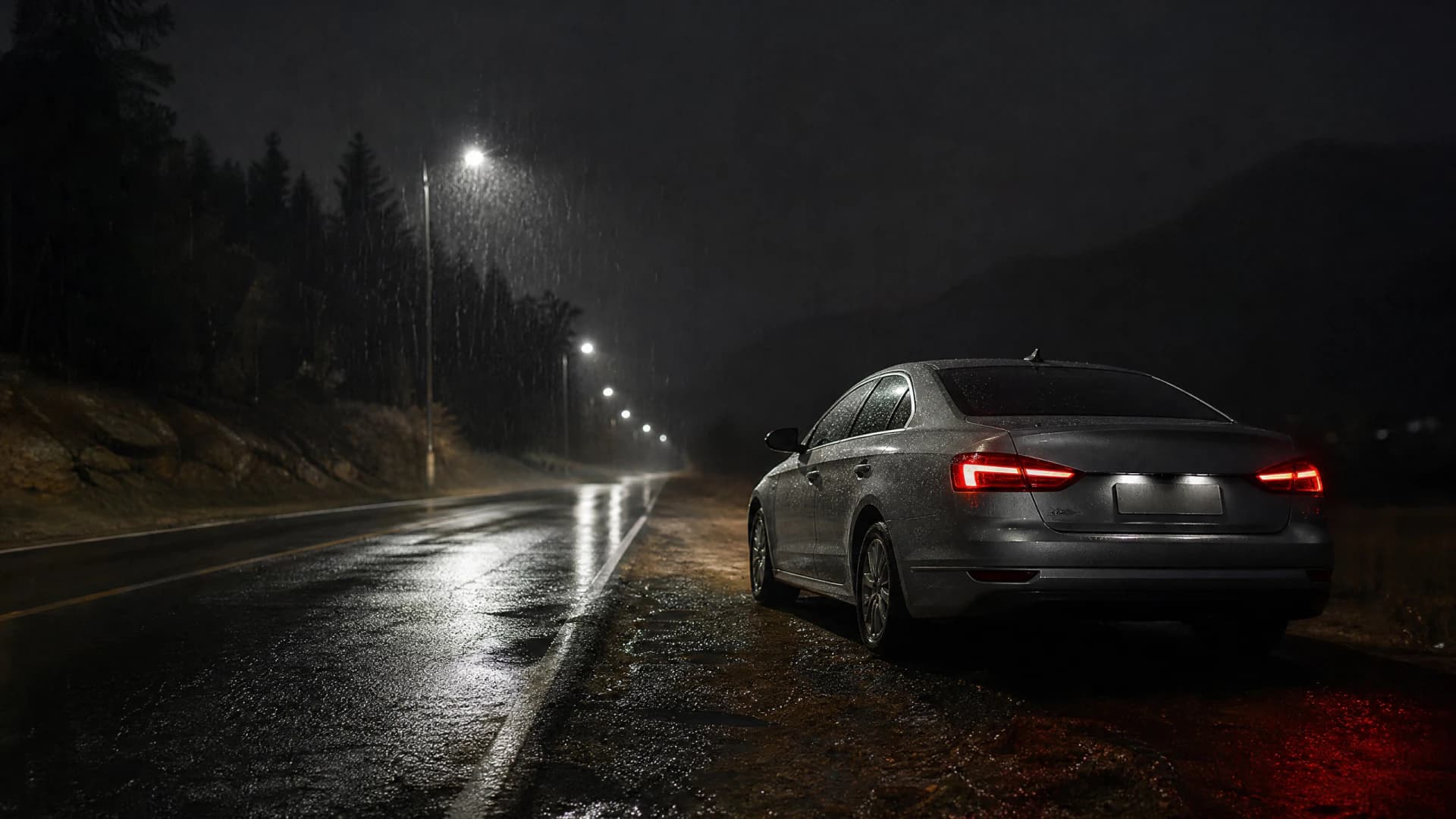
A policy that omits uninsured motorist coverage does not satisfy West Virginia law. You cannot register your vehicles with it.
Related Articles
West Virginia Car Insurance Requirements
7/15/2026

West Virginia Car Insurance Requirements
7/15/2026
West Virginia Minimum Car Insurance
7/15/2026
Multi-Car Coverage Requirements West Virginia
7/15/2026

WV Financial Responsibility Law Requirements
7/15/2026

West Virginia Uninsured Motorist Requirement
7/15/2026
How the Mandate Applies When You Add a Second or Third Vehicle
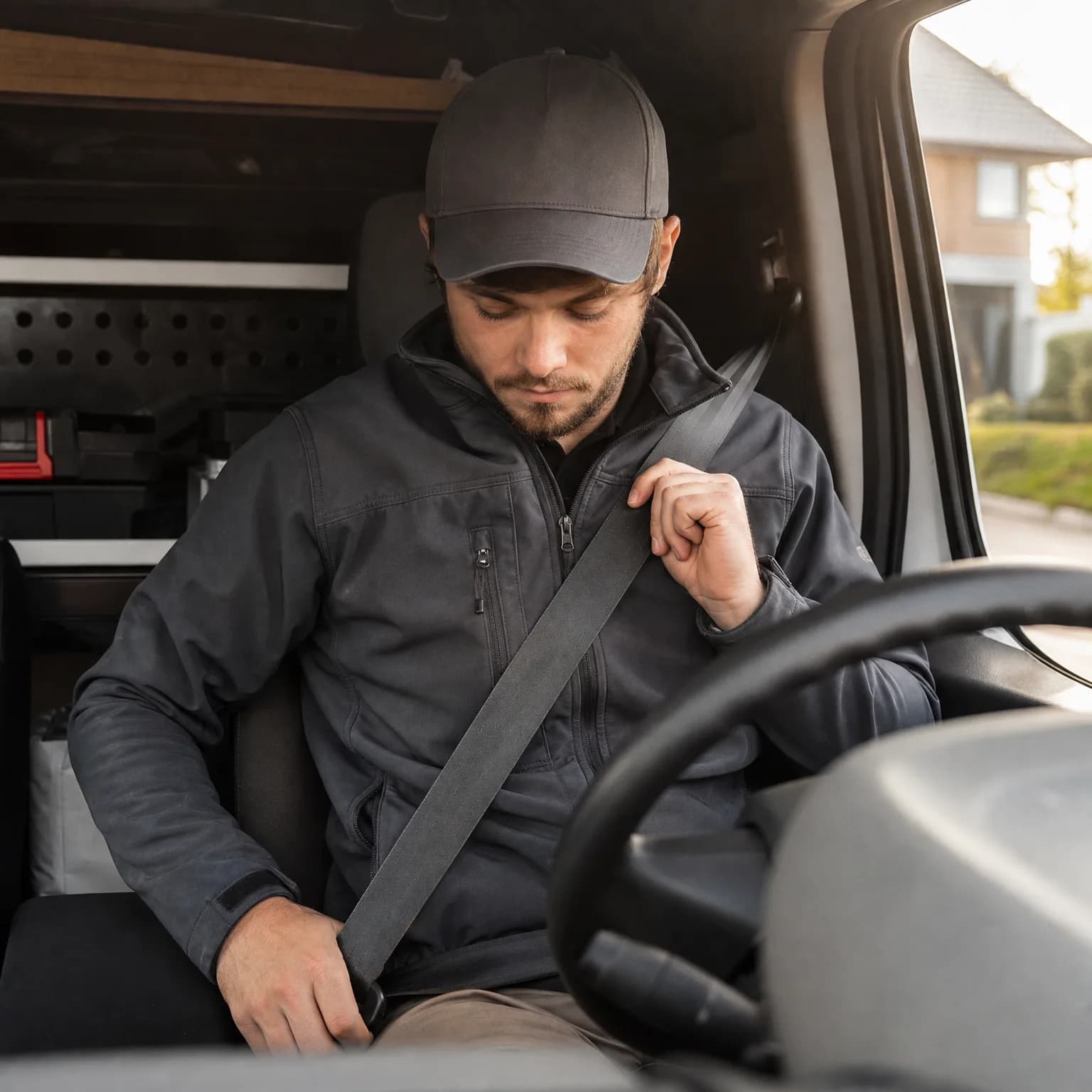
Every vehicle on your policy must meet the 25/50/25 liability floor and carry uninsured motorist coverage. When you add a second car mid-term, the carrier extends the same coverage to the new vehicle automatically. You do not choose separate limits for each car—your policy applies one set of limits to every vehicle listed on it.
This structure simplifies compliance but creates a common misconception: some households believe adding a third vehicle requires only liability coverage, not uninsured motorist. That is incorrect. The statutory mandate applies per policy, not per vehicle. If your policy covers three cars, all three must carry uninsured motorist coverage. A carrier will not issue a compliant West Virginia policy without it.
When you compare carriers, confirm that every quote includes uninsured motorist coverage at limits matching or exceeding your liability limits. A quote that omits it or offers lower uninsured motorist limits than liability limits may not satisfy state law, depending on how the carrier structures the policy. Most West Virginia carriers will not allow you to purchase liability without uninsured motorist coverage unless you explicitly reject it in writing.
7.8%
West Virginia Uninsured Motorist Rate
As of 2023, 7.8% of West Virginia drivers carry no insurance. The state's uninsured motorist mandate exists to protect insured households from financial loss when an at-fault driver has no coverage.
Insurance Information Institute, 2023
Proof of Insurance and the Online Verification System
West Virginia enforces compulsory insurance through the Online Insurance Verification Program, a real-time system that tracks every vehicle's insurance status. Your carrier reports your policy data directly to the Division of Motor Vehicles. When you register a vehicle or renew your registration, the DMV verifies that your insurance meets the statutory minimums before issuing your plates.
You do not need to carry a paper insurance card in most situations—the state's verification system confirms your coverage electronically. However, you must still provide proof of insurance when a law enforcement officer requests it during a traffic stop. Most carriers issue a digital insurance card you can display on your phone, which satisfies the proof-of-insurance requirement. If your policy lapses or your carrier cancels coverage, the DMV receives an electronic notice within days, and your registration becomes invalid.
Compare Carriers That Write Multi-Vehicle Policies in West Virginia
When you insure two or more vehicles, confirm that every quote you receive includes 25/50/25 liability limits and uninsured motorist coverage. Carriers writing multi-vehicle policies in West Virginia include State Farm, Geico, Progressive, Allstate, Nationwide, Farmers, Liberty Mutual, USAA, Travelers, Erie, CSAA, Amica, Hartford, National General, Dairyland, The General, Root, and Clearcover. Not every carrier offers the same multi-car discount structure or the same base rate, so comparing quotes across several carriers is the only way to identify the policy that fits your household's vehicle count and coverage needs.
See West Virginia's full coverage requirements and carrier options to confirm which carriers write policies for your vehicle count and garaging address. The comparison tool on this site lets you request quotes from multiple carriers at once, ensuring every quote you receive meets the state's statutory floor and includes the uninsured motorist coverage West Virginia mandates.
What Each Required Coverage Actually Pays
Bodily injury liability pays the other party's medical bills, lost wages, and pain-and-suffering damages when you cause a crash. The 25/50 structure means the policy pays up to $25,000 per injured person and $50,000 total per accident. If you injure three people and their combined medical bills exceed $50,000, you pay the difference out of pocket. Property damage liability pays to repair or replace the other party's vehicle and any other property you damage, up to $25,000 per accident. These two coverages together satisfy the financial responsibility requirement West Virginia imposes on every registered vehicle.
Uninsured motorist coverage pays your own medical bills and vehicle repair costs when an at-fault driver has no insurance or insufficient limits. It mirrors your liability limits: if you carry 25/50/25 liability, your uninsured motorist coverage will typically match those amounts unless you purchase higher limits. This coverage is the reason West Virginia households can recover financially after a crash caused by an uninsured driver, rather than absorbing the full loss themselves.
Get Your Free Quote
Get My West Virginia Car Insurance QuoteFrequently Asked Questions
Does West Virginia require uninsured motorist coverage on every vehicle?
Yes. West Virginia statute mandates uninsured motorist coverage on every auto policy issued in the state. You cannot decline it unless you sign a written rejection form, and most carriers will not issue a policy without it. Every vehicle on your policy must carry this coverage.
What are the minimum liability limits for car insurance in West Virginia?
West Virginia requires $25,000 bodily injury per person, $50,000 bodily injury per accident, and $25,000 property damage. These minimums apply to every vehicle you register in the state.
Can I insure multiple cars with different coverage limits in West Virginia?
No. Your policy applies one set of liability and uninsured motorist limits to every vehicle listed on it. When you add a second or third car, the carrier extends the same coverage to the new vehicle automatically. You do not choose separate limits for each car.
How does West Virginia verify that my vehicles are insured?
West Virginia uses the Online Insurance Verification Program, a real-time system that tracks every vehicle's insurance status. Your carrier reports your policy data directly to the Division of Motor Vehicles, and the DMV verifies coverage electronically when you register or renew your plates.
What happens if my insurance lapses on one of my vehicles in West Virginia?
If your policy lapses or your carrier cancels coverage, the DMV receives an electronic notice within days, and your registration becomes invalid.
Do I need to carry a paper insurance card in West Virginia?
No. West Virginia's verification system confirms your coverage electronically. However, you must still provide proof of insurance when a law enforcement officer requests it during a traffic stop. Most carriers issue a digital insurance card you can display on your phone, which satisfies the requirement.