
Insurance Lapse on a Registered Car — West Virginia
Free to compare
When Registration and Coverage Timelines Diverge
You let your auto insurance lapse — maybe you switched carriers and the new policy started a day late, maybe you missed a payment, maybe you parked the car and assumed coverage could wait. The vehicle is still registered in your name. You're not driving it. And now you're trying to figure out whether West Virginia law treats a lapsed-but-registered car as a violation, or whether the problem only starts when you drive.
West Virginia's Online Insurance Verification Program monitors every registered vehicle in the state continuously. When your insurer reports a lapse or cancellation, the system flags your registration automatically. The state does not distinguish between a car you're driving and a car sitting in your driveway. Registration without active liability coverage triggers a suspension process, whether the vehicle moves or not.
“West Virginia suspends registration for lapsed coverage even when the vehicle is parked — the state monitors policy matches continuously, not driving activity.”

Get More Than the West Virginia Minimum for Less
Get My West Virginia Car Insurance Quote$25,000 / $50,000 / $25,000
West Virginia Liability Minimums
West Virginia requires $25,000 bodily injury per person, $50,000 per accident, and $25,000 property damage on every registered vehicle. The state's verification system cross-checks these minimums against your insurer's active-coverage report daily.
West Virginia Division of Motor Vehicles
What the Verification System Actually Tracks
West Virginia's Online Insurance Verification Program (Article 17D-2A of the state code) replaced the old proof-of-financial-responsibility certificate framework. Insurers report coverage start dates, end dates, and cancellations directly to the DMV in near-real time. When your policy lapses, your insurer notifies the state within days.
The system compares active registrations against active liability policies. A registered vehicle without matching coverage appears as non-compliant. The DMV does not ask whether you're driving the car, whether it's operable, or whether you intend to renew coverage soon. The mismatch itself is the violation.
If you own multiple vehicles on one policy and drop one car's coverage mid-term, the verification system flags that specific vehicle. If you switch carriers and the new policy starts two days after the old one ends, those two days register as a lapse. The system is automated and does not account for intent or circumstance.

West Virginia suspends registration for lapsed coverage even when the vehicle is parked and undriven — the state monitors registration-to-policy matches continuously, not driving activity.
Related Articles


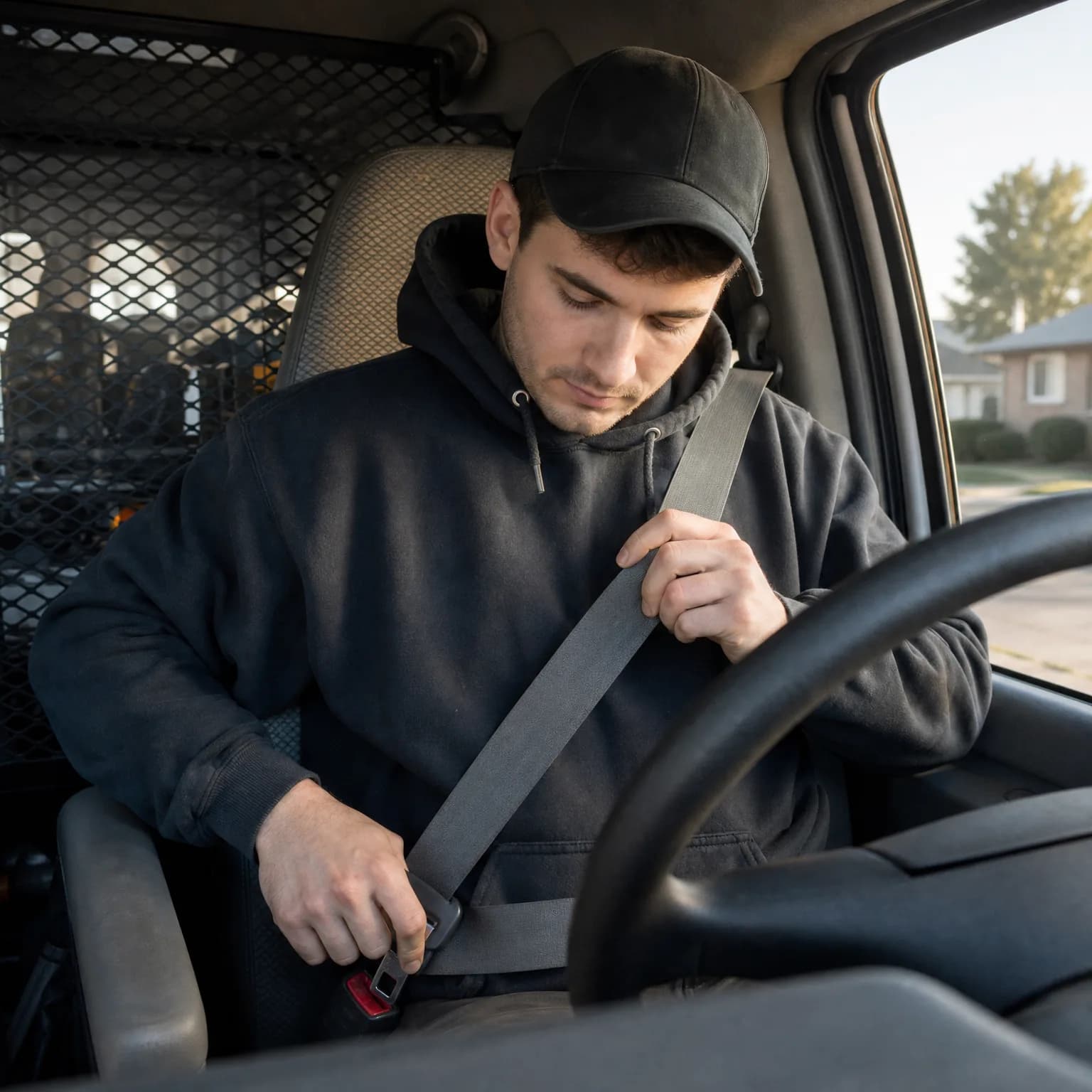
How Multi-Vehicle Households Hit This Trap
Households insuring two or more vehicles often trigger verification mismatches without realizing it. You drop collision and comprehensive on an older car to lower the premium, but you also drop liability by mistake. You sell one vehicle and remove it from the policy mid-term, but the registration hasn't been transferred yet and the system flags the gap. You switch to a new carrier for a better multi-car discount, but the effective dates don't align and a three-day lapse appears in the verification system.
West Virginia's system does not distinguish between intentional lapses and administrative timing errors. A two-day gap between policies produces the same suspension notice as a six-month intentional cancellation. The verification program treats every registered vehicle as requiring continuous liability coverage from the moment of registration until the moment the registration is surrendered or expires.
If you're parking a car long-term and don't plan to drive it, surrendering the registration stops the verification requirement. As long as the vehicle remains registered, the state expects matching liability coverage every day. Comprehensive-only policies, storage policies, and parked-vehicle coverage do not satisfy the verification system unless they include the state's minimum liability limits.
7.8%
West Virginia Uninsured Motorist Rate
Approximately 7.8% of West Virginia motorists drive uninsured. The state's verification program was designed to reduce this figure by catching lapses early, before drivers accumulate months of uninsured driving.
Insurance Research Council, 2023
Carriers That Write West Virginia Liability Coverage
When you need to reinstate coverage quickly to stop a suspension notice, not every carrier writes policies in West Virginia or processes certificates on short timelines. Allstate, Farmers, Geico, Progressive, and State Farm all write standard liability policies in the state and file WV-1B certificates electronically. USAA serves military-affiliated households. Dairyland, National General, and The General write non-standard policies for drivers with recent lapses or violations.
If you're reinstating after a lapse, expect the new policy to cost more than your previous one. Carriers treat a lapse as a risk signal, and West Virginia allows insurers to surcharge for coverage gaps. The longer the lapse, the larger the surcharge. A three-day administrative gap typically produces a smaller increase than a 60-day intentional cancellation, but both will raise your premium compared to continuous coverage.
What To Do Right Now
If you received a suspension notice, contact a West Virginia-licensed carrier immediately and obtain a liability policy meeting the state's $25,000 / $50,000 / $25,000 minimums. Ask the carrier to file the WV-1B Certificate of Insurance with the DMV electronically — most carriers file within 24 hours of binding the policy. Pay the $50 reinstatement fee online or by mail to the West Virginia Division of Motor Vehicles. Keep a copy of your policy declarations page and the certificate filing confirmation until the DMV confirms reinstatement.
If you're parking a vehicle long-term and don't plan to drive it, surrender the registration at your county clerk's office. Surrendering stops the verification requirement and prevents future suspension notices. When you're ready to drive the car again, re-register it and obtain coverage before the registration is processed. If you're managing multiple vehicles on one policy, verify with your carrier that every registered car on your household roster appears on the policy's vehicle schedule with liability limits meeting state minimums. A mismatch on any one vehicle triggers the verification system for that car, even if your other vehicles are correctly covered.
The Suspension and Reinstatement Sequence
The DMV mails a notice to the address on file. The notice states that your registration will be suspended in 30 days unless you provide proof of current liability coverage meeting state minimums. If you do not respond within that window, the suspension takes effect automatically. Once suspended, your registration is invalid. Driving a vehicle with a suspended registration is a separate violation, but the suspension itself applies whether you drive or not.
To reinstate, you must obtain liability coverage that meets West Virginia's $25,000 / $50,000 / $25,000 minimums, have your insurer file a WV-1B Certificate of Insurance with the DMV, and pay a $50 reinstatement fee. The state processes reinstatements in approximately 20 business days after receiving the certificate and fee. If the lapse extended beyond 90 days, additional penalties may apply depending on the circumstances that caused the lapse.
Get Your Free Quote
Get My West Virginia Car Insurance QuoteFrequently Asked Questions
Does West Virginia suspend your license if insurance lapses on a registered car you're not driving?
West Virginia suspends the vehicle's registration, not your driver's license, when coverage lapses on a registered car. The suspension applies whether you drive the car or not. If you drive a vehicle with a suspended registration, that becomes a separate violation that can affect your license.
How long does it take to reinstate registration after an insurance lapse in West Virginia?
West Virginia processes reinstatements in approximately 20 business days after receiving proof of current liability coverage and the $50 reinstatement fee. Your insurer must file a WV-1B Certificate of Insurance with the DMV electronically, and you must pay the fee before the state begins processing.
Can you register a car in West Virginia without insurance?
No. West Virginia requires proof of liability insurance meeting state minimums ($25,000 / $50,000 / $25,000) at the time of registration. The state's Online Insurance Verification Program monitors every registered vehicle continuously and flags any lapse in coverage automatically.
What happens if you let insurance lapse between switching carriers in West Virginia?
West Virginia's verification system flags any gap in coverage, even a one-day lapse between carriers. If the new policy's effective date is after the old policy's end date, the DMV mails a suspension notice. To avoid this, coordinate effective dates so the new policy starts the same day the old one ends.
Do you need liability insurance on a parked car in West Virginia if it's still registered?
Yes. West Virginia requires continuous liability coverage on every registered vehicle, whether you drive it or not. If you're parking a car long-term, surrender the registration at your county clerk's office to stop the verification requirement. Re-register when you're ready to drive it again.
How much does it cost to reinstate registration after an insurance lapse in West Virginia?
$50. West Virginia charges a $50 reinstatement fee after a suspension for lapsed insurance. You must also obtain a new liability policy meeting state minimums and have your insurer file a WV-1B Certificate of Insurance with the DMV before reinstatement is processed.