
Minimum Coverage vs Full Coverage — West Virginia
Free to compare
The Split-Coverage Trap
You own two cars. One is financed and carries full coverage because the lender requires it. The other is paid off, so you're running minimum liability to save money. That split feels logical until you realize the minimum-coverage car is the one your household depends on daily, and West Virginia's $25,000 per-person bodily injury limit won't cover a serious crash.
The question isn't whether minimum coverage is legal. It is. West Virginia requires $25,000 bodily injury per person, $50,000 per accident, and $25,000 property damage. The question is whether that floor protects your household when you own multiple vehicles, when one accident can involve both cars, and when the at-fault vehicle determines which policy responds.
“The minimum-coverage vehicle determines your household's liability exposure. Higher limits on your other car do not apply.”
Get More Than the West Virginia Minimum for Less
Get My West Virginia Car Insurance Quote$25,000 / $50,000 / $25,000
West Virginia Minimum Liability
West Virginia requires $25,000 bodily injury per person, $50,000 per accident, and $25,000 property damage. Uninsured motorist coverage is mandatory. These minimums apply to every vehicle you register, but they do not stack across multiple cars on one policy.
West Virginia Division of Motor Vehicles
What Minimum Liability Actually Covers Across Two Vehicles
Minimum liability covers damage you cause to others. It does not cover your own vehicle. If you hit another car, your liability policy pays their repair bills and medical costs up to your limits. If someone hits you and they carry no insurance, your uninsured motorist coverage responds.
When you own two cars and both sit on one policy, the liability limits apply per accident, not per vehicle. If your household member drives the minimum-coverage car and causes a crash, that $25,000 per-person limit is all the policy pays. The fact that your other car carries higher limits does not matter. The at-fault vehicle determines which coverage applies.
This creates a structural problem: the car you thought was saving you money becomes the household's liability weak point. One serious injury claim exceeds $25,000 easily. Medical bills, lost wages, and pain-and-suffering claims routinely push into six figures. When your liability limit is exhausted, the injured party can pursue your personal assets.
Households with multiple vehicles often assume their total coverage adds up across cars. It does not. Each vehicle carries the coverage you assigned to it, and the policy responds based on which car was involved. Split coverage across vehicles does not create layered protection. It creates gaps.
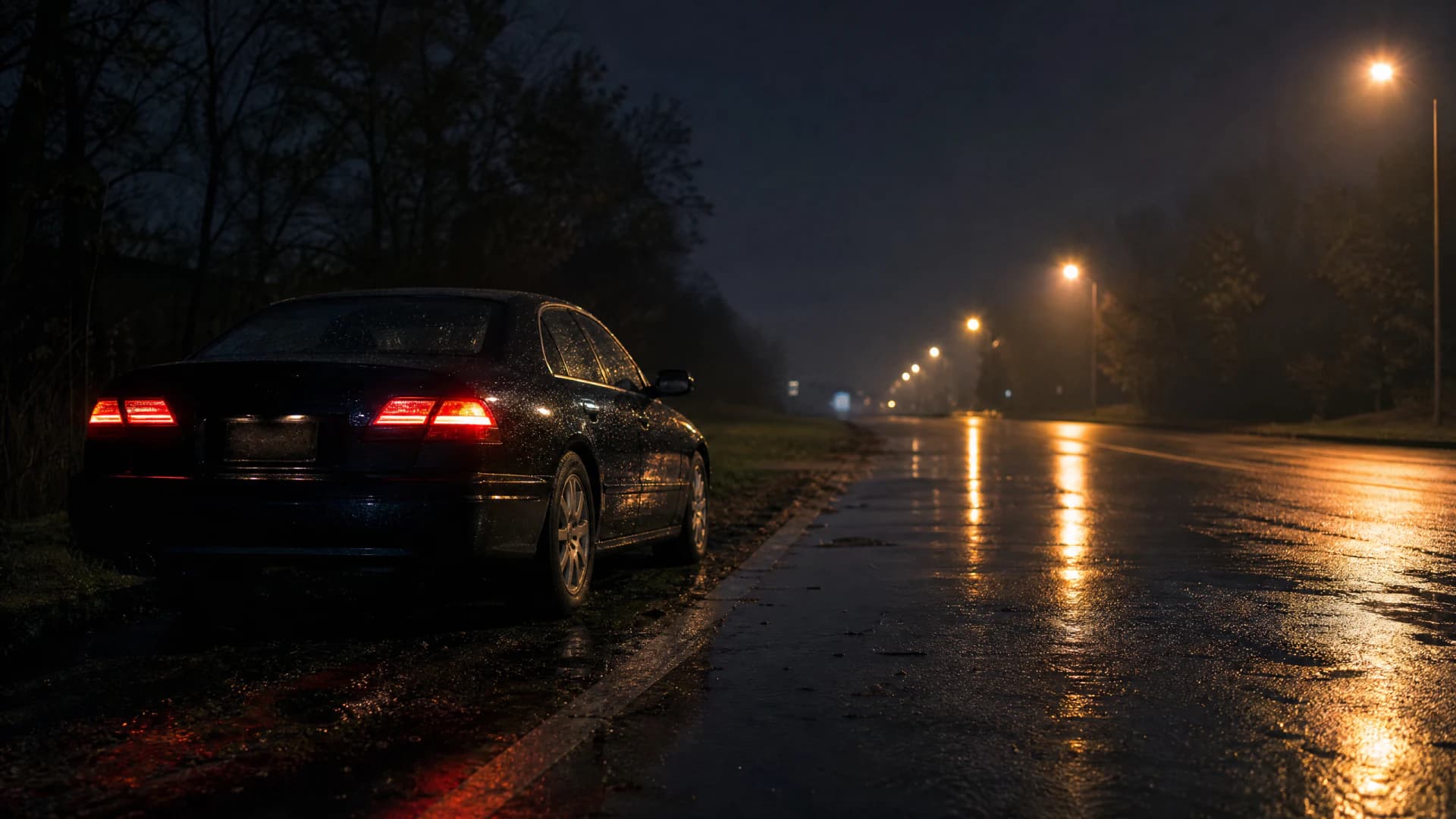
The minimum-coverage vehicle on your policy is the one that determines your household's liability exposure in a crash. Higher limits on your other car do not apply.
Related Articles


The Cost Reality of Unified Coverage
Households running split coverage assume they are saving money. Often they are not. Carriers price policies based on the total risk profile: every vehicle, every driver, and the coverage structure. A policy with mismatched coverage levels across vehicles signals higher administrative complexity and often results in a higher per-vehicle base rate than a policy where both vehicles carry identical coverage.
The multi-car discount applies when you insure multiple vehicles on one policy. That discount is typically larger when coverage is uniform across vehicles. Splitting coverage reduces the discount's value because the carrier prices each vehicle separately within the policy structure. The result: you pay more per vehicle than you would if both carried the same coverage level.
Raising the minimum-coverage car to match the financed car's limits usually costs less than the difference between your current split-coverage premium and a unified full-coverage policy. The gap narrows further when you account for the multi-car discount's full value and the elimination of the administrative load split coverage creates.
7.8%
West Virginia Uninsured Motorist Rate
West Virginia's uninsured motorist rate is 7.8 percent. That means roughly one in thirteen drivers on the road carries no liability insurance. Your uninsured motorist coverage is mandatory, but it only pays up to your selected limits. Minimum UM limits leave you exposed when an uninsured driver totals your paid-off car.
Insurance Information Institute, 2023
When Minimum Coverage Still Makes Sense
Minimum coverage works when both vehicles are low-value, when your household can replace either car without insurance proceeds, and when your personal assets are modest enough that a liability judgment would not threaten them.
It also works when one vehicle is rarely driven. A second car used only for errands or kept as a backup does not carry the same crash risk as a daily commuter. Insuring that vehicle with liability-only coverage while maintaining full coverage on the primary car is a rational structure, provided the rarely-driven car's liability limits match the primary car's. The key is uniform liability limits across vehicles, even when physical-damage coverage differs.
Compare Carriers That Write Your Household Structure
Not every carrier prices multi-car policies the same way. Some reward uniform coverage across vehicles with deeper multi-car discounts. Others price each vehicle independently and apply smaller discounts. The difference in annual premium between a carrier that prices split coverage efficiently and one that does not can exceed the cost of raising your minimum-coverage car to full coverage.
West Virginia licenses 19 carriers that write standard and preferred auto policies, including Allstate, Geico, Progressive, State Farm, Nationwide, and USAA. Each prices multi-vehicle households differently. Request quotes that show both your current split-coverage structure and a unified full-coverage structure across both vehicles. Compare the annual difference. The gap is often smaller than households expect, and the protection gain is significant.
What Full Coverage Adds for Multi-Car Households
Collision pays to repair your vehicle after a crash, regardless of fault. Comprehensive covers theft, weather damage, vandalism, and animal strikes. When you finance a car, the lender requires both. When you own a car outright, both are optional. The decision hinges on whether the vehicle's value justifies the premium and whether your household can absorb a total-loss event without insurance proceeds.
Raising liability limits is the other half of full coverage. That increase costs less than most households expect, and it applies to every vehicle on the policy. When both cars carry the same higher limits, your household's liability exposure is consistent across drivers and vehicles.
Get Your Free Quote
Get My West Virginia Car Insurance QuoteFrequently Asked Questions
Does West Virginia require the same coverage on every vehicle I own?
No. West Virginia requires every registered vehicle to carry at least $25,000/$50,000/$25,000 liability and uninsured motorist coverage, but you can structure collision and comprehensive differently across vehicles. The law does not mandate uniform coverage levels within a multi-car policy.
Will my liability limits stack if I own two cars on one policy?
No. Liability limits apply per accident, not per vehicle. If you cause a crash in the car with minimum coverage, only that vehicle's $25,000 per-person limit applies. The higher limits on your other car do not add to the total.
Can I drop collision on my paid-off car and keep it on my financed car?
Yes. Collision and comprehensive are optional on any vehicle you own outright. Your lender requires both on the financed car, but you control coverage on the paid-off vehicle. The decision depends on the paid-off car's value and your ability to replace it without insurance proceeds.
Does the multi-car discount apply when my two vehicles have different coverage levels?
Yes, but the discount is often smaller. Carriers typically offer deeper multi-car discounts when coverage is uniform across vehicles. Split coverage increases administrative complexity and can reduce the discount's value or raise the per-vehicle base rate.
What happens if an uninsured driver totals my minimum-coverage car?
Your uninsured motorist property damage coverage pays up to your selected limit. West Virginia requires UM coverage, but if you carry only the $25,000 minimum and your car is worth more, the policy pays $25,000 and you absorb the difference. Full coverage includes collision, which pays regardless of the other driver's insurance status.
How much does it cost to raise my liability limits above West Virginia's minimum?
The exact amount depends on your driving history, location, and carrier. Request quotes at both limits to see the difference for your household.