
Liability Coverage Limits — West Virginia
Free to compare
When Minimum Liability Stops Working
You insure two or three vehicles on one West Virginia policy, and you're looking at the state's minimum liability requirement — $25,000 per person injured, $50,000 per accident, $25,000 property damage — wondering if that's enough. The math changes when your household owns multiple cars. A single accident involving one of your vehicles can injure multiple people, total another car, and trigger claims that blow past the minimum in minutes.
West Virginia law requires every registered vehicle to carry at least 25/50/25 liability coverage. That minimum protects the other driver when you cause an accident, but it does nothing for your own vehicles and it caps your protection at levels that haven't kept pace with medical costs or vehicle values. When you own multiple cars, the risk isn't just one accident — it's the cumulative exposure across every vehicle your household drives.
“West Virginia's $50,000 per-accident cap exhausts in one multi-injury crash, leaving your household assets exposed for the remainder.”

Get More Than the West Virginia Minimum for Less
Get My West Virginia Car Insurance Quote$25,000
WV Per-Person Injury Limit
West Virginia's minimum bodily injury liability covers only $25,000 per person injured in an accident you cause. A single emergency-room visit after a moderate-speed collision can exceed that amount, leaving you personally liable for the remainder.
West Virginia state minimum liability requirements
The Structural Reality of Per-Accident Caps
West Virginia's $50,000 per-accident cap is the total your insurer pays for all bodily injuries in a single crash, regardless of how many people are hurt. If you cause an accident that injures three people, each person's claim is capped at $25,000, but the combined payout stops at $50,000. When medical bills for all three exceed that cap, the remainder comes from your assets — your savings, your home equity, your future wages.
The property-damage minimum is $25,000 per accident. Multi-car households face this exposure on every trip — the school run, the commute, the weekend errand.
Households that own multiple vehicles often assume the per-vehicle premium justifies sticking with minimums across the board. The logic breaks when you calculate the per-accident exposure. One crash involving your household's car can wipe out the premium savings from years of minimum coverage.
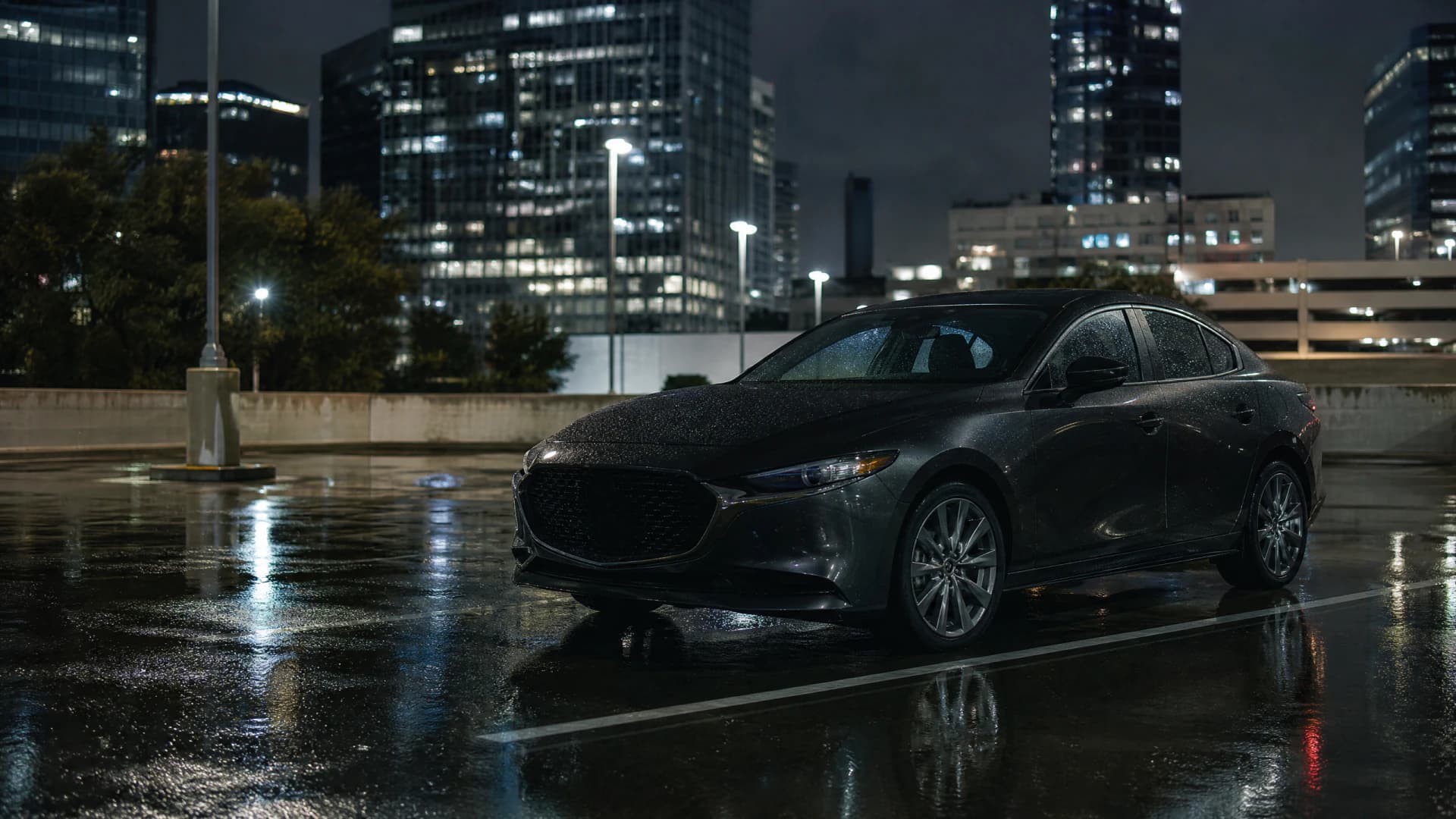
West Virginia's minimum liability caps at $50,000 per accident total — one multi-injury crash exhausts that limit, leaving your household assets exposed for the remainder.




When Uninsured Motorist Coverage Matters
West Virginia requires every policy to include uninsured and underinsured motorist coverage unless you reject it in writing. This coverage pays your medical bills and vehicle damage when the at-fault driver carries no insurance or insufficient limits. In 2023, 7.8% of West Virginia motorists drove uninsured — nearly 1 in 13 drivers on the road.
Uninsured motorist coverage mirrors your liability limits. If you carry 25/50/25 liability, your uninsured motorist coverage caps at the same amounts unless you buy higher limits. When you raise liability to 100/300/100, your uninsured motorist protection rises with it. Multi-car households benefit twice: higher limits protect you when you cause an accident, and they protect your household when an uninsured driver hits one of your vehicles.
Some carriers let you buy uninsured motorist coverage higher than your liability limits. If budget forces you to choose, prioritize uninsured motorist coverage at the higher tier — it's the only protection you have when the other driver has nothing.
7.8%
WV Uninsured Motorist Rate
Nearly 1 in 13 West Virginia drivers operates without insurance. Uninsured motorist coverage is your only financial protection when one of them causes an accident involving your household's vehicles.
West Virginia state insurance statistics, 2023
Asset Protection and the Liability Floor
Your liability limit should reflect what you own, not just what the state requires. West Virginia law allows creditors to pursue your assets — bank accounts, home equity, investment accounts, future wages — to satisfy a judgment that exceeds your insurance payout.
A common rule: carry liability limits equal to or greater than your net worth. The 100/300/100 tier covers that exposure; the 25/50/25 minimum does not. Multi-car households often underestimate total asset exposure because they think per-vehicle, not per-accident.
Compare Carriers on Total-Policy Cost
When you request quotes for higher liability limits, ask every carrier for the total policy premium covering all your household's vehicles at each tier. Some carriers price the multi-car discount aggressively and absorb much of the higher-limit cost in the bundled rate. Others charge per-vehicle increments that add up fast across three or four cars. The lowest-cost carrier at minimum limits is not always the lowest at 100/300/100.
West Virginia households can compare coverage from carriers including State Farm, Geico, Progressive, Allstate, Nationwide, and USAA. Request identical liability limits from each — 50/100/50, 100/300/100, and 250/500/100 — and compare the total annual or six-month premium for the entire policy, not the per-vehicle breakdown.
How Higher Limits Change the Math
Carriers writing West Virginia multi-car policies typically offer 50/100/50, 100/300/100, and 250/500/100 liability tiers. The jump from 25/50/25 to 50/100/50 doubles your per-person and per-accident injury coverage and raises property damage to $50,000 — enough to total most passenger vehicles without personal liability.
The 100/300/100 tier is where most financial planners draw the line for households with assets to protect. That's enough to handle a serious multi-injury accident without forcing you to liquidate savings or face wage garnishment. Households that own a home, hold retirement accounts, or carry significant equity in their vehicles should treat 100/300/100 as the functional floor, not an upgrade.
Get Your Free Quote
Get My West Virginia Car Insurance QuoteFrequently Asked Questions
What is West Virginia's minimum liability insurance requirement?
West Virginia requires 25/50/25 liability coverage: $25,000 per person injured, $50,000 per accident total for all injuries, and $25,000 property damage per accident. Every registered vehicle must carry at least these limits to drive legally in the state.
Is 25/50/25 liability enough for a household with multiple cars?
No, for most households. One accident involving multiple injuries or a totaled vehicle exhausts the $50,000 per-accident cap quickly, leaving you personally liable for the remainder. Households with assets to protect should carry at least 100/300/100 liability.
How much does it cost to raise liability limits in West Virginia?
Does West Virginia require uninsured motorist coverage?
Yes. West Virginia requires every policy to include uninsured and underinsured motorist coverage unless you reject it in writing. This coverage pays your medical bills and vehicle damage when an at-fault driver has no insurance or insufficient limits. In 2023, 7.8% of West Virginia drivers were uninsured.
What liability limits should I carry if I own a home in West Virginia?
Carry liability limits equal to or greater than your net worth. The 25/50/25 minimum leaves your home equity and savings exposed in a serious accident.
Can I buy uninsured motorist coverage higher than my liability limits?
Yes, some carriers let you buy uninsured motorist coverage at higher limits than your liability coverage. If budget forces you to choose, prioritize uninsured motorist at the higher tier — it's your only protection when an uninsured driver hits one of your household's vehicles.
How do I compare liability coverage across carriers for multiple cars?
Request quotes from each carrier for the same liability tiers — 50/100/50, 100/300/100, and 250/500/100 — covering all your household's vehicles on one policy. Compare the total policy premium, not the per-vehicle cost. The lowest carrier at minimum limits is not always the lowest at higher tiers.