
New Car Insurance Requirements — West Virginia
Free to compare
Your New Car and Your Existing Policy
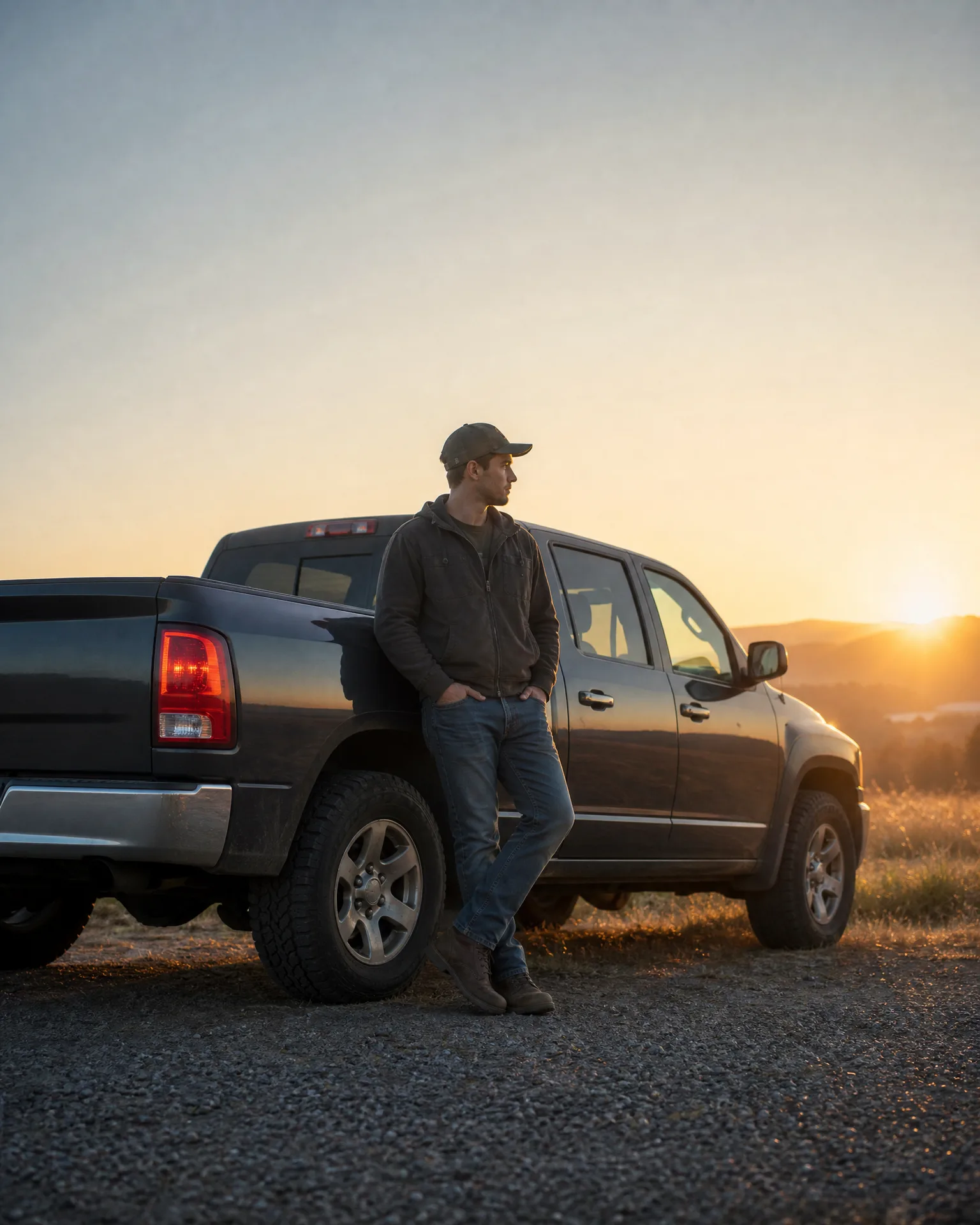
You bought a new car and drove it home. Your household already insures two vehicles on one policy. The dealer asked if you had insurance, you said yes, and now you are wondering whether that existing policy actually covers the new car without you doing anything else. The answer depends on your carrier's grace period and whether you report the vehicle within that window.
Most West Virginia carriers extend automatic coverage to a newly-acquired vehicle for a limited time — typically 14 to 30 days — but only if you already insure at least one car on the policy and you notify the carrier within the grace window. Miss that window and the new car may be excluded from coverage, even if you have been paying premiums on your other vehicles the entire time.
“An unreported vehicle loses coverage after the grace period expires, even if you keep paying premiums on the policy.”
Get More Than the West Virginia Minimum for Less
Get My West Virginia Car Insurance Quote$25,000/$50,000/$25,000
West Virginia Minimum Liability
Every vehicle registered in West Virginia must carry at least $25,000 bodily injury per person, $50,000 bodily injury per accident, and $25,000 property damage. Uninsured motorist coverage is also required. The new car must meet these minimums before you can register it.
West Virginia Division of Motor Vehicles
How the Grace Period Actually Works
The grace period is not a law. It is a carrier policy feature, and the length varies. Some West Virginia carriers grant 14 days, others 30 days, and a few require same-day notification. The grace period applies only when you already insure at least one vehicle on the policy — if this is your household's first car, there is no automatic coverage and you must bind a new policy before driving.
During the grace period, the new car is covered at the same coverage levels as the broadest coverage on any vehicle already on your policy. If your existing cars carry liability only, the new car gets liability only. If one car carries full coverage, the new car gets full coverage during the grace window. After the grace period expires, any unreported vehicle loses coverage entirely, even if you continue paying premiums on the policy.
The grace period does not extend your time to register the vehicle with the West Virginia DMV. Registration and insurance are separate requirements. You have 30 days from the date of purchase to register a newly-acquired vehicle in West Virginia, and the DMV will not issue plates without proof of insurance that meets state minimums.

An unreported vehicle loses coverage after the grace period expires, even if you keep paying premiums on the policy. The carrier will deny a claim for a car it does not know you own.
Related Articles



When the Multi-Car Discount Changes
Adding a third or fourth vehicle to your policy usually increases the multi-car discount percentage, but the total premium still goes up because you are insuring another car. The discount applies to the policy as a whole, not to each vehicle individually. A household that adds a high-value vehicle may see the discount percentage rise while the total premium rises even more, because the base cost of insuring the new car outweighs the incremental discount gain.
If the new car is titled to a household member who is not listed on your policy, the carrier may require you to add that person as a driver before adding the vehicle. A car titled to someone outside the household usually cannot be added to your policy at all, even if that person lives at the same address. Carriers enforce same-policy requirements strictly: every vehicle on the policy must be titled to a policyholder or a household member listed as a driver.
Some West Virginia carriers offer a discount for insuring a newly-purchased vehicle if you bind coverage before taking delivery. This is separate from the grace period. If you know you are buying a specific car, calling your carrier the day before you pick it up can lock in coverage without any gap and may qualify for a new-car discount that disappears if you wait until after delivery.
18 carriers
West Virginia Multi-Car Carriers
Eighteen carriers write multi-vehicle policies in West Virginia, including Allstate, Geico, Progressive, State Farm, and USAA. Not all carriers offer the same grace-period length or the same multi-car discount structure. Comparing carriers when you add a vehicle can surface a better rate than simply adding the car to your current policy.
West Virginia licensed carrier roster
Registration Timing and Proof of Insurance
West Virginia requires proof of insurance before the DMV will issue plates for a newly-acquired vehicle. The proof must show coverage that meets state minimums: $25,000/$50,000/$25,000 liability and uninsured motorist coverage. Your carrier issues a WV-1B Certificate of Insurance, which the DMV accepts as proof. If you add the vehicle to your existing policy within the grace period, request an updated certificate showing the new car before you go to the DMV.
You have 30 days from the purchase date to register the vehicle. If you miss that window, you face a late registration penalty and you cannot legally drive the car on West Virginia roads. The grace period for insurance coverage and the 30-day registration window are not the same thing. A 14-day insurance grace period does not extend your registration deadline — you still have 30 days to register, but your insurance coverage may lapse after 14 days if you do not report the vehicle.
Compare Carriers Before You Add the Car
Adding a new vehicle to your existing policy is convenient, but it is not always the best rate. When you add a car mid-term, your current carrier re-rates the entire policy based on the new vehicle's value, safety features, and how it changes your household's risk profile. That re-rating can produce a higher total premium than you would pay if you moved all your vehicles to a different carrier that prices your household's profile more favorably. Before you confirm the addition with your current carrier, request quotes from at least two other West Virginia carriers that write multi-vehicle policies. Provide the same coverage levels, the same household drivers, and the same vehicles including the new car. Compare the total annual premium, not just the per-vehicle breakdown. A carrier that offers a smaller multi-car discount percentage but a lower base rate can still beat a carrier with a larger discount on a higher base. The comparison takes 20 minutes and can save you hundreds of dollars over the next policy term.
What You Must Report and When
Call your carrier or log into your account within the grace window — ideally the same day you take delivery. Provide the vehicle identification number (VIN), the purchase date, the exact make and model, and whether you financed the car or paid cash. If you financed, the lender will require collision and comprehensive coverage, and the carrier needs the lender's name and address to list them as a lienholder on the policy. If you paid cash, you can choose liability only or add full coverage.
The carrier will re-rate your entire policy when you add the new car. Adding a vehicle mid-term does not simply add a flat amount to your premium — the carrier recalculates the multi-car discount, adjusts for the new vehicle's value and safety features, and factors in how many drivers in your household will operate it. The new premium takes effect immediately, and you will owe the prorated difference for the remainder of the term. If the new car is significantly more expensive or higher-risk than your existing vehicles, expect a noticeable increase.
Get Your Free Quote
Get My West Virginia Car Insurance QuoteFrequently Asked Questions
Does my West Virginia car insurance automatically cover a new car I just bought?
Most West Virginia carriers extend automatic coverage to a newly-acquired vehicle for 14 to 30 days if you already insure at least one car on the policy, but only if you notify the carrier within that grace window. After the grace period expires, an unreported vehicle has no coverage.
How long do I have to add a new car to my insurance in West Virginia?
The grace period varies by carrier — typically 14 to 30 days. You must contact your carrier within that window to add the new vehicle. Missing the deadline voids coverage for that car, even if you continue paying premiums on your other vehicles.
What information does my carrier need to add a new car to my policy?
Your carrier needs the vehicle identification number (VIN), purchase date, make and model, and whether you financed or paid cash. If financed, provide the lender's name and address so the carrier can list them as a lienholder.
Will adding a new car increase my multi-car discount in West Virginia?
Adding a third or fourth vehicle usually increases the multi-car discount percentage, but your total premium still rises because you are insuring another car. The discount applies to the policy as a whole, not to each vehicle individually.
Can I add a car titled to someone else to my West Virginia policy?
A car titled to a household member not listed on your policy requires adding that person as a driver first. A car titled to someone outside your household usually cannot be added to your policy, even if they live at the same address.
Do I need proof of insurance before I can register a new car in West Virginia?
Yes. The West Virginia DMV requires a WV-1B Certificate of Insurance showing $25,000/$50,000/$25,000 liability and uninsured motorist coverage before issuing plates. Request an updated certificate from your carrier after adding the new vehicle.