
Proof of Insurance — West Virginia
Free to compare
Two Proof Systems Operating Simultaneously
West Virginia runs two parallel insurance verification systems that serve different purposes but often confuse drivers managing multiple vehicles. The state's Online Insurance Verification Program (Article 17D-2A) allows the DMV to check your coverage status electronically when you register a vehicle or renew your plates. Your carrier reports your policy data directly to the state database. This backend system handles registration compliance without requiring you to submit paper proof.
The roadside proof requirement is entirely separate. When a law enforcement officer pulls you over, West Virginia Code §17D-4-2 requires you to show proof of insurance on the spot—either a physical card your carrier mailed or a digital version on your phone. The officer cannot access the DMV's electronic verification system during a traffic stop. If you cannot produce proof at that moment, you receive a citation regardless of whether your coverage is active in the state database. Households insuring two or more vehicles must carry proof for every car, and the proof must match the vehicle you are driving.
“The DMV's electronic verification does not replace the roadside proof requirement—you must carry proof in every vehicle you drive.”

Get More Than the West Virginia Minimum for Less
Get My West Virginia Car Insurance Quote$25,000 / $50,000 / $25,000
West Virginia Minimum Liability
West Virginia requires $25,000 bodily injury per person, $50,000 bodily injury per accident, and $25,000 property damage. Uninsured motorist coverage is also mandatory. Your proof of insurance must show you meet or exceed these minimums.
West Virginia Code §17D-4-2
What Counts as Valid Proof
West Virginia accepts three forms of proof during a traffic stop: the insurance identification card your carrier issues (the physical card with your policy number, coverage dates, and vehicle identification), a digital image of that card stored on your phone, or a carrier-provided mobile app that displays your active policy details. The card must show the vehicle you are driving. If you are stopped in your sedan but hand the officer the card for your SUV, that does not satisfy the requirement even if both vehicles sit on the same policy.
Households with multiple vehicles receive a separate card for each car. Store the correct card in each vehicle's glove compartment, or keep digital copies organized by vehicle in your phone. Officers will not accept a bank statement showing a premium payment, an email confirmation from your carrier, or a screenshot of your online account summary. The proof must be the official insurance identification card or the carrier's own app displaying current coverage.
West Virginia does not use an SR-22 or any high-risk certificate filing. The old proof-of-financial-responsibility framework (WV Code 17D-4-15 through 17D-4-20) was fully repealed. No multi-year filing period applies.
The DMV's electronic verification does not replace the roadside proof requirement. You must carry proof in every vehicle you drive, even if your coverage is active in the state database.
Related Articles

Proof Requirements for Registration and Renewal
West Virginia's Online Insurance Verification Program eliminates the need to bring proof of insurance to the DMV when you register a vehicle or renew your plates. The DMV checks the state database in real time during the transaction. If your carrier has reported your coverage and the vehicle identification number matches, the system approves the registration without requiring you to show a card.
This process works only if your carrier participates in the electronic reporting system and has submitted your policy data. All major carriers writing in West Virginia participate, but if you switch carriers mid-term or your policy lapses and you reinstate it, the database may not reflect the change immediately. Carriers typically report updates within 24 to 48 hours, but processing delays can occur. If the DMV system shows no active coverage when you attempt to register or renew, you will need to provide the physical insurance identification card as a fallback.
Households managing multiple vehicles on one policy should verify that every vehicle appears in the carrier's system under the correct policy number before visiting the DMV. A data entry error that lists the wrong VIN or omits a vehicle entirely will block registration even if coverage is active. Log into your carrier's online account or call them to confirm all vehicles are listed correctly.
7.8%
West Virginia Uninsured Motorist Rate
West Virginia's uninsured motorist rate is 7.8% as of 2023. Mandatory uninsured motorist coverage protects you when an at-fault driver has no insurance. Your proof of insurance must show this coverage is active.
Insurance Research Council, 2023

Consequences of Failing to Provide Proof
If you cannot provide proof of insurance during a traffic stop, the officer issues a citation under West Virginia Code §17D-4-2. The citation does not automatically suspend your license, but you must resolve it by showing proof of coverage to the court or DMV within the timeframe stated on the ticket. If you had active coverage at the time of the stop but simply did not have the card with you, providing proof after the fact typically results in dismissal of the citation, though you may still pay a processing fee.
Driving without insurance is a separate and more serious offense. If the DMV's electronic verification system shows you have no active coverage, your registration can be suspended. West Virginia enforces compulsory insurance through the Online Insurance Verification Program, which flags uninsured vehicles automatically. A lapse in coverage triggers a notice from the DMV requiring you to either provide proof of continuous coverage or surrender your plates. Ignoring the notice results in suspension of your vehicle registration and potential suspension of your driving privileges.
Households with multiple vehicles face compounded risk. If one vehicle's coverage lapses because you forgot to add it to the policy after purchase, that vehicle's registration can be suspended even if your other cars remain insured. The DMV tracks each vehicle individually. Verify that every car you own appears on your active policy and that your carrier has reported each one to the state database.
Digital Proof and Mobile Apps
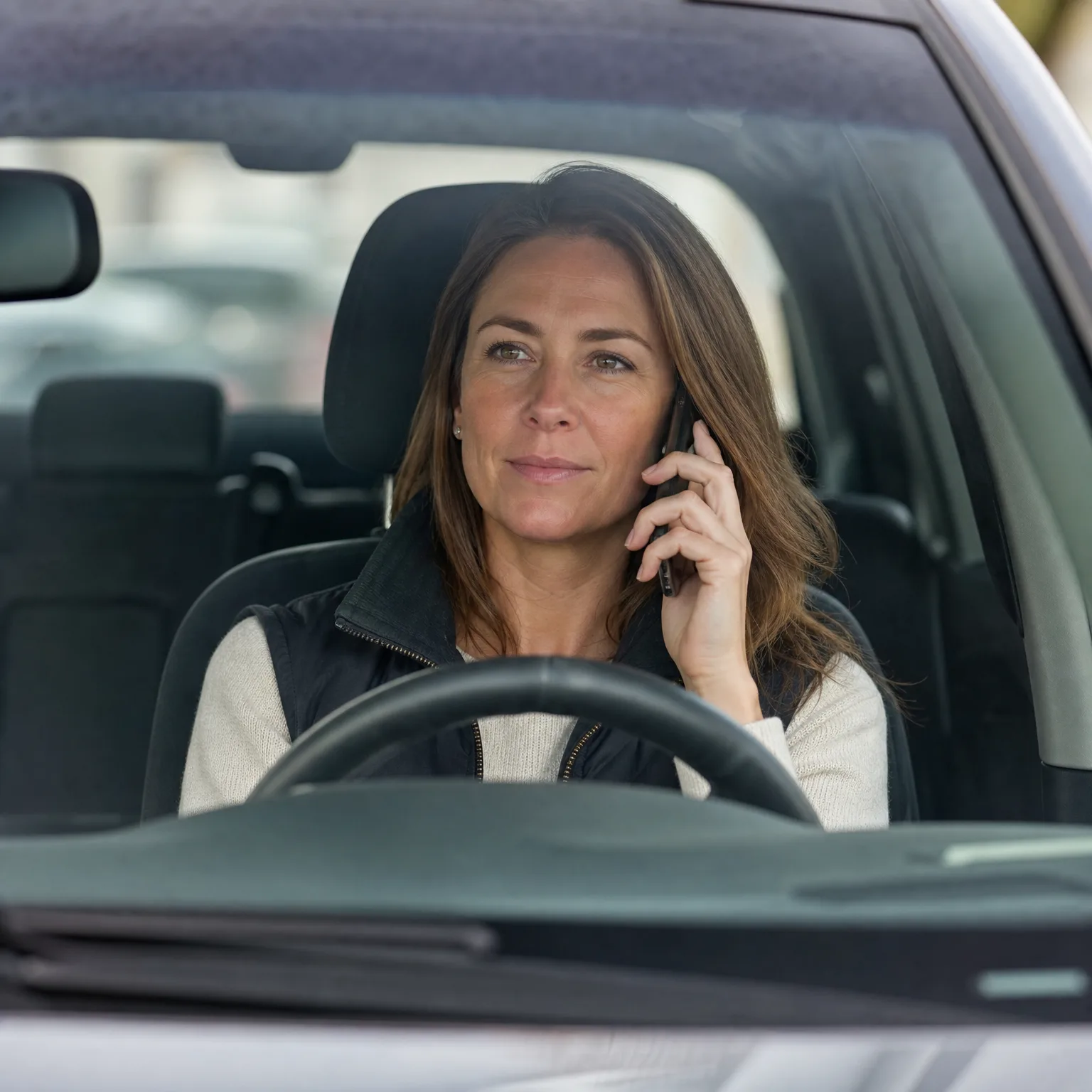
West Virginia law explicitly allows digital proof of insurance displayed on a mobile device. Officers must accept a carrier's mobile app or a photo of your insurance identification card stored on your phone as valid proof during a traffic stop. The digital proof must show the same information the physical card carries: your name, the policy number, coverage dates, the vehicle identification number, and the carrier's contact information.
Not all carriers offer mobile apps with real-time proof-of-insurance displays. If your carrier does not provide an app, take a clear photo of each vehicle's insurance card and store it in a dedicated folder on your phone. Label the photos by vehicle so you can pull up the correct one quickly during a stop. Update the photos immediately when your policy renews or when you add a vehicle. An expired card—physical or digital—does not satisfy the proof requirement even if your coverage is current.
Compare Carriers and Verify Coverage
Households managing two or more vehicles should compare carriers that write multi-vehicle policies in West Virginia and confirm each carrier participates in the state's Online Insurance Verification Program. Most major carriers report coverage electronically, but smaller regional insurers may not. Ask your carrier directly whether they submit policy data to the West Virginia DMV database and how quickly updates appear after you add a vehicle or renew your policy. Carriers that issue digital proof through a mobile app simplify roadside compliance, especially when you are driving a vehicle that is not your primary car. Compare coverage options, verify proof-of-insurance delivery methods, and confirm every vehicle on your policy appears in the carrier's system before you register or renew.
Adding a Vehicle Mid-Term
The roadside proof requirement does not update automatically. Your carrier must issue a new insurance identification card for the newly added vehicle and mail it to you or make it available in their mobile app. Until that card arrives, you cannot legally drive the new car even though coverage is active. Most carriers issue digital proof immediately through their app when you add a vehicle online; physical cards arrive within 7 to 10 business days.
If you drive the new vehicle before the card arrives and are stopped, you will receive a citation for failure to provide proof of insurance. The officer cannot verify your coverage electronically at the roadside. Call your carrier the day you add the vehicle and confirm they have issued the card. Download their mobile app if you have not already, and verify the new vehicle appears in the app's policy display before you drive it off the lot.
Get Your Free Quote
Get My West Virginia Car Insurance QuoteFrequently Asked Questions
Can I show a photo of my insurance card on my phone during a traffic stop in West Virginia?
Yes. West Virginia law allows digital proof of insurance displayed on a mobile device. The photo must show your policy number, coverage dates, vehicle identification number, and carrier contact information. Officers must accept a clear photo of your insurance card or your carrier's mobile app as valid proof.
What happens if I am pulled over without my insurance card but my coverage is active?
You receive a citation for failure to provide proof of insurance under West Virginia Code §17D-4-2. If you had active coverage at the time of the stop, you can resolve the citation by showing proof to the court or DMV within the timeframe stated on the ticket. The citation is typically dismissed, though you may pay a processing fee.
Does West Virginia require SR-22 proof of insurance?
No. West Virginia does not use SR-22 or any high-risk certificate filing. The old proof-of-financial-responsibility framework was fully repealed.
How does West Virginia verify my insurance when I renew my vehicle registration?
West Virginia uses the Online Insurance Verification Program (Article 17D-2A). Your carrier reports your policy data electronically to the DMV database. When you renew your registration, the DMV checks the database in real time. If your coverage is active and the vehicle identification number matches, the system approves the renewal without requiring you to show a card.
Do I need separate insurance cards for each vehicle on my policy?
Yes. Your carrier issues a separate insurance identification card for each vehicle on your policy. During a traffic stop, you must provide proof for the specific vehicle you are driving. The card for a different vehicle on the same policy does not satisfy the requirement.
What proof of insurance do I need when I buy a new car in West Virginia?
You must add the new vehicle to your existing policy before you drive it. Your carrier will issue a new insurance identification card for that vehicle, either digitally through their mobile app or by mail within 7 to 10 business days. You cannot legally drive the new car until you have proof of insurance for it, even if your other vehicles are covered.
What are West Virginia minimum liability insurance requirements?
$25,000 bodily injury per person, $50,000 bodily injury per accident, and $25,000 property damage. West Virginia also requires uninsured motorist coverage. Your proof of insurance must show you meet or exceed these minimums.