
Electronic Insurance Verification — West Virginia
Free to compare
When the DMV Says You're Uninsured but Your Policy Is Active
You just bought a second car for your household and went to register it at the West Virginia DMV. The clerk runs your information and tells you there's no insurance on file. You pull up your carrier's app — the policy shows both vehicles, coverage is active, payment cleared three days ago. The DMV clerk repeats: the system shows no coverage. Your registration is denied.
This is not a coverage gap. It is a reporting lag. West Virginia's Online Insurance Verification Program pulls insurance data directly from carriers in real time, but carriers do not always report new vehicles or policy changes instantly. When you add a car mid-term, your household is insured the moment the carrier binds coverage — but the DMV's verification system may not reflect that for hours or days. The electronic system that eliminated paper proof cards also created a new failure mode: you can be legally covered and electronically invisible at the same time.
“West Virginia eliminated paper insurance cards but created a new failure mode: you can be legally covered and electronically invisible at the same time.”

Get More Than the West Virginia Minimum for Less
Get My West Virginia Car Insurance Quote1,652,896
Registered Vehicles in WV
West Virginia's Online Insurance Verification Program monitors every registered vehicle in the state. When a carrier reports a lapse or fails to report a new vehicle, the system flags the registration automatically.
West Virginia DMV, 2022
How West Virginia's Electronic Verification System Actually Works
West Virginia does not require drivers to carry a physical insurance card. The state's Online Insurance Verification Program connects the DMV's registration database directly to insurance carriers. When you register a vehicle, renew registration, or get pulled over, law enforcement and DMV staff query the system in real time. If your carrier has reported active coverage for that vehicle, you clear. If not, you are flagged as uninsured — even if your policy document says otherwise.
The system depends entirely on carrier reporting accuracy and speed. Most carriers transmit policy data to the state within 24 to 48 hours of binding coverage, but transmission is not instant. When you add a second or third vehicle to an existing policy, your carrier updates its own records immediately but may not push that update to West Virginia's verification database until the next scheduled batch transmission. During that window, your household is insured under the policy but the new vehicle does not appear in the state system.
West Virginia law still permits you to carry a paper or digital insurance card as backup proof, but the card is not the primary verification method. If the electronic system shows no coverage and you present a card, the DMV or officer will typically contact your carrier to confirm. That call resolves most disputes, but it adds time and friction to what should be a routine transaction.
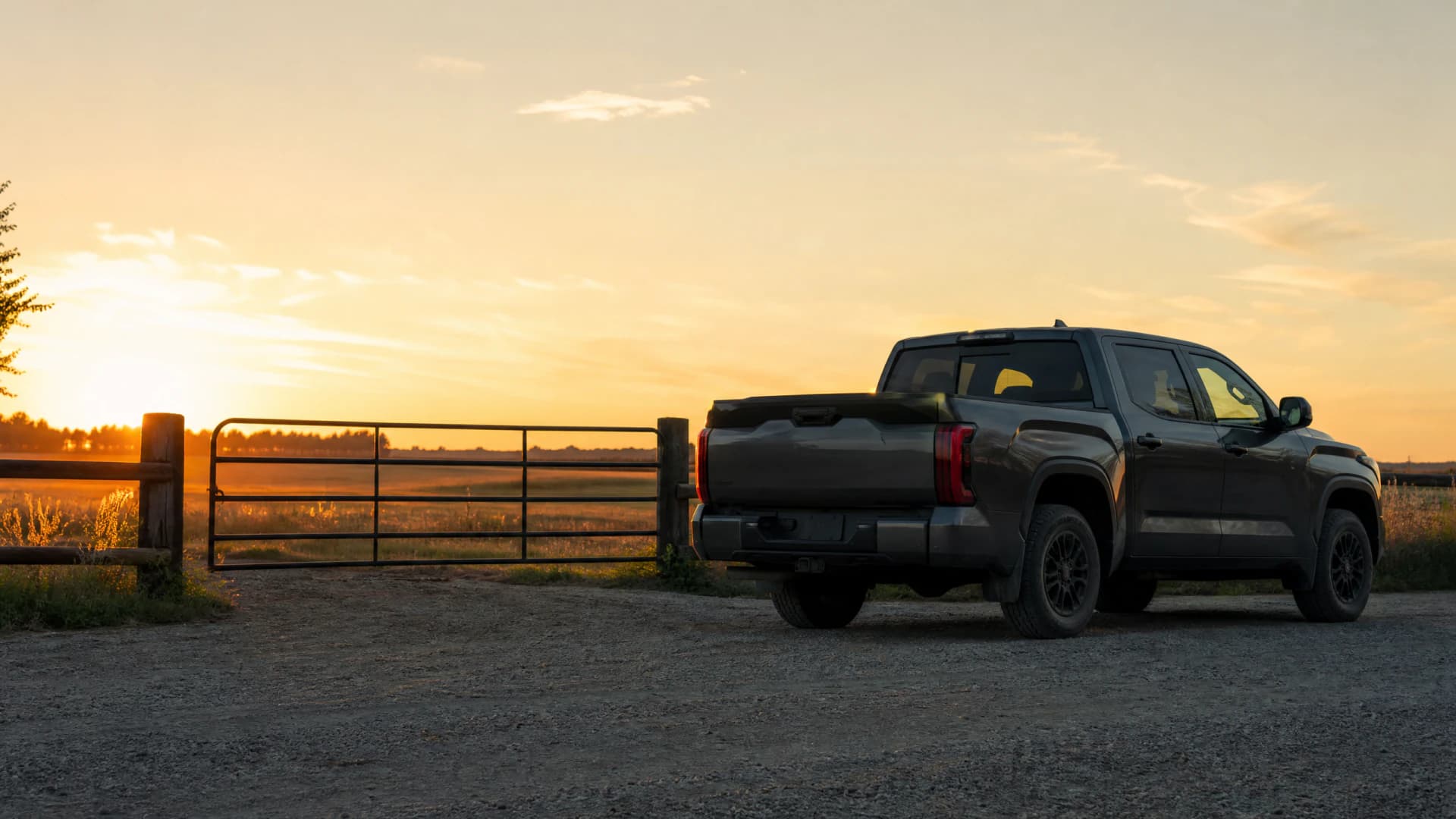
The DMV's electronic system updates only as fast as your carrier reports. A mid-term vehicle addition can leave you electronically unverified for 24 to 72 hours even when coverage is active.


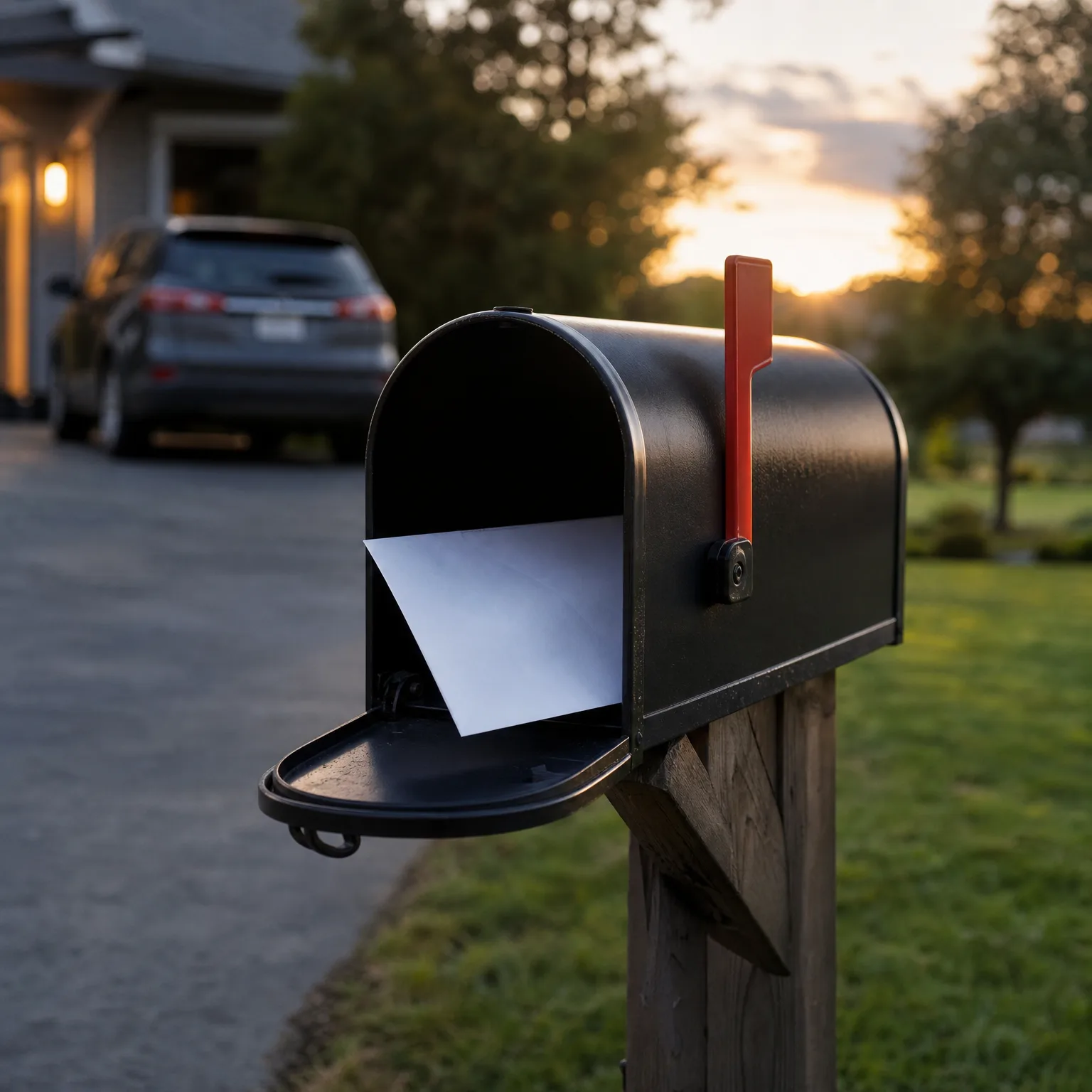

How to Avoid the Registration Block
Call your carrier at least 48 hours before you plan to register the new vehicle. Confirm that the carrier has transmitted the updated policy to West Virginia's verification system. Ask the representative to note the transmission date and time in your account. If the carrier cannot confirm transmission, ask when the next batch update is scheduled and plan your DMV visit accordingly.
If you must register the vehicle immediately and cannot wait for electronic verification, bring a printed or digital copy of your updated policy declarations page showing the new vehicle, the effective date, and your coverage limits. Bring a second form of contact information for your carrier — a claims phone number or your agent's direct line. The DMV clerk can call to verify coverage on the spot, but the call adds 10 to 20 minutes to the transaction.
For households with three or more vehicles, consider staggering vehicle additions across renewal periods rather than adding multiple cars mid-term. Each mid-term addition triggers a separate reporting cycle and a separate opportunity for lag. Adding vehicles at renewal consolidates the updates into a single transmission and reduces the chance of a verification mismatch.
$25,000 / $50,000 / $25,000
WV Minimum Liability Limits
West Virginia requires $25,000 bodily injury per person, $50,000 per accident, and $25,000 property damage. The electronic verification system checks that your carrier has reported at least these minimums for every registered vehicle.
West Virginia Code §17D-4-2
What Officers See During a Traffic Stop
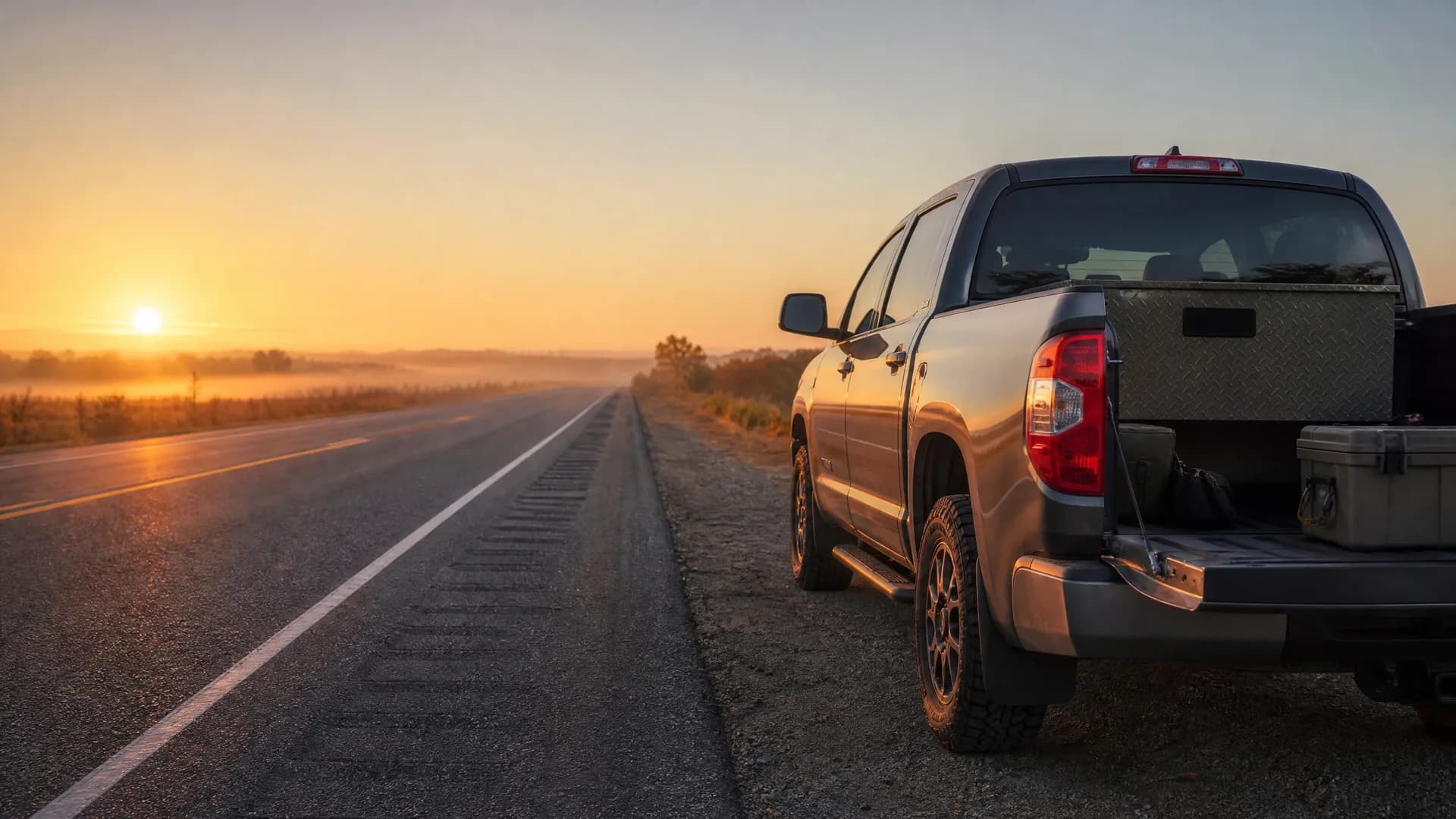
When a West Virginia officer pulls you over, the officer queries the Online Insurance Verification Program using your license plate. The system returns a yes-or-no answer: coverage is active, or it is not. If the system shows no coverage, the officer will ask for proof. You can present a digital or paper insurance card, but the card does not override the electronic record. The officer will radio dispatch or call your carrier to verify. If the carrier confirms coverage and explains the reporting lag, most officers will issue a warning rather than a citation. If the carrier cannot confirm coverage, you receive a ticket for driving uninsured.
The citation for driving without insurance in West Virginia carries a fine and a potential license suspension. Even if you later prove that coverage was active at the time of the stop, you must still appear in court or pay the fine to clear the citation. The electronic verification system does not retroactively dismiss tickets when a carrier corrects a reporting error.
Compare Carriers That Report Quickly
Not every carrier transmits policy updates to West Virginia's verification system at the same speed. Larger carriers with automated reporting infrastructure typically push updates within 24 hours. Smaller regional carriers or carriers that rely on manual data entry may take 48 to 72 hours. When you are comparing carriers for a multi-vehicle policy, ask each carrier how quickly they report policy changes to the state system. If you plan to add vehicles mid-term or switch carriers frequently, prioritize carriers with same-day or next-day electronic reporting. Compare rates and reporting speed together — a slightly higher premium from a carrier that reports instantly can save you a denied registration or a traffic stop citation.
What Happens When You Add a Vehicle Mid-Term
When you call your carrier to add a second or third vehicle, the carrier binds coverage immediately — your policy now covers the new car. The carrier then calculates the pro-rated premium for the remainder of the term, charges your payment method, and updates its internal records. At this point, you are insured. The new vehicle is covered under your liability limits, and any collision or comprehensive coverage you selected is active. If you have an accident five minutes after the call, the claim is covered.
The carrier's next step is to report the updated policy to West Virginia's Online Insurance Verification Program. Most carriers batch-transmit policy updates once or twice per day. If you add the vehicle in the morning, the update may reach the state system by evening. If you add it late in the day or on a weekend, the transmission may not occur until the next business day. During that lag, the DMV's database still shows only your original vehicle. If you attempt to register the new car before the carrier's update reaches the state, the system flags you as uninsured.
Get Your Free Quote
Get My West Virginia Car Insurance QuoteFrequently Asked Questions
Does West Virginia require me to carry a physical insurance card?
No. West Virginia's Online Insurance Verification Program allows law enforcement and the DMV to verify your coverage electronically. You may carry a paper or digital card as backup, but it is not required. If the electronic system shows no coverage, you can present a card and the officer or clerk will contact your carrier to confirm.
How long does it take for my carrier to report a new vehicle to West Virginia?
Most carriers transmit policy updates to West Virginia's verification system within 24 to 48 hours. Larger carriers with automated reporting may push updates the same day. Smaller carriers or those using manual processes may take up to 72 hours. Ask your carrier for their specific reporting timeline when you add a vehicle.
What happens if I try to register a car before my carrier reports it?
The DMV's system will show no coverage on file and the clerk will deny your registration. You can present your updated policy declarations page and ask the clerk to call your carrier for verification. The call typically resolves the issue, but it adds 10 to 20 minutes to the transaction.
Can I get a ticket for driving uninsured if my carrier hasn't reported my policy yet?
Yes. If an officer queries the Online Insurance Verification Program and it shows no coverage, you can be cited for driving uninsured even if your policy is active. Present your insurance card and the officer will call your carrier. If the carrier confirms coverage, most officers issue a warning. If not, you receive a citation.
How do I know if my carrier has reported my policy to West Virginia?
Call your carrier and ask them to confirm that your policy has been transmitted to West Virginia's Online Insurance Verification Program. Request the transmission date and time. If the carrier cannot confirm transmission, ask when the next batch update is scheduled.
Does West Virginia verify insurance for every vehicle on my policy?
Yes. The Online Insurance Verification Program checks coverage for every vehicle registered in your name. If you have three cars on one policy, all three must appear in the state system with active coverage. A missing vehicle will be flagged as uninsured even if the other two show coverage.