
Medical Payments Coverage — West Virginia
Free to compare
What Medical Payments Coverage Does in a Multi-Vehicle Household
You own two or three cars, everyone in the household drives, and you're comparing coverage options across the policies. Medical payments coverage — MedPay — appears as an optional line item on every vehicle, and you're trying to figure out whether to add it to all of them, just one, or skip it entirely. West Virginia doesn't require MedPay, so the decision is yours.
The structural reality most households miss: MedPay stacks per injured person when multiple people are hurt in the same accident. If three household members are injured and MedPay sits on two vehicles, each person can claim against both policies. That stacking mechanic changes the math when you're insuring a household with multiple drivers and multiple cars.
“MedPay stacks per injured person across every vehicle that carries it, giving households with multiple cars more total coverage than a single higher limit.”

Get More Than the West Virginia Minimum for Less
Get My West Virginia Car Insurance Quote$25,000 / $50,000 / $25,000
West Virginia Minimum Liability
West Virginia requires $25,000 bodily injury per person, $50,000 per accident, and $25,000 property damage. Liability covers others you injure; MedPay covers your own household's medical bills regardless of fault.
West Virginia Division of Motor Vehicles
How MedPay Works When You Have Multiple Cars
Medical payments coverage pays medical and funeral expenses for anyone injured in your vehicle, regardless of who caused the accident. It covers you, household members, and passengers. The coverage follows the vehicle, not the driver.
When you elect MedPay on more than one vehicle in the household, each injured person can claim against every policy that carries the coverage. The limits stack per person, not per accident.
This is different from liability coverage, which applies per accident with a single aggregate limit. MedPay's per-person structure makes it more valuable in households where multiple people regularly ride together.
West Virginia does not require uninsured motorist coverage to include a medical-payments component, so MedPay is the primary optional coverage that pays your household's medical bills when the other driver has no insurance or when you're hit by an uninsured driver and your own liability doesn't apply.

MedPay stacks per injured person across every vehicle that carries it.
Related Articles
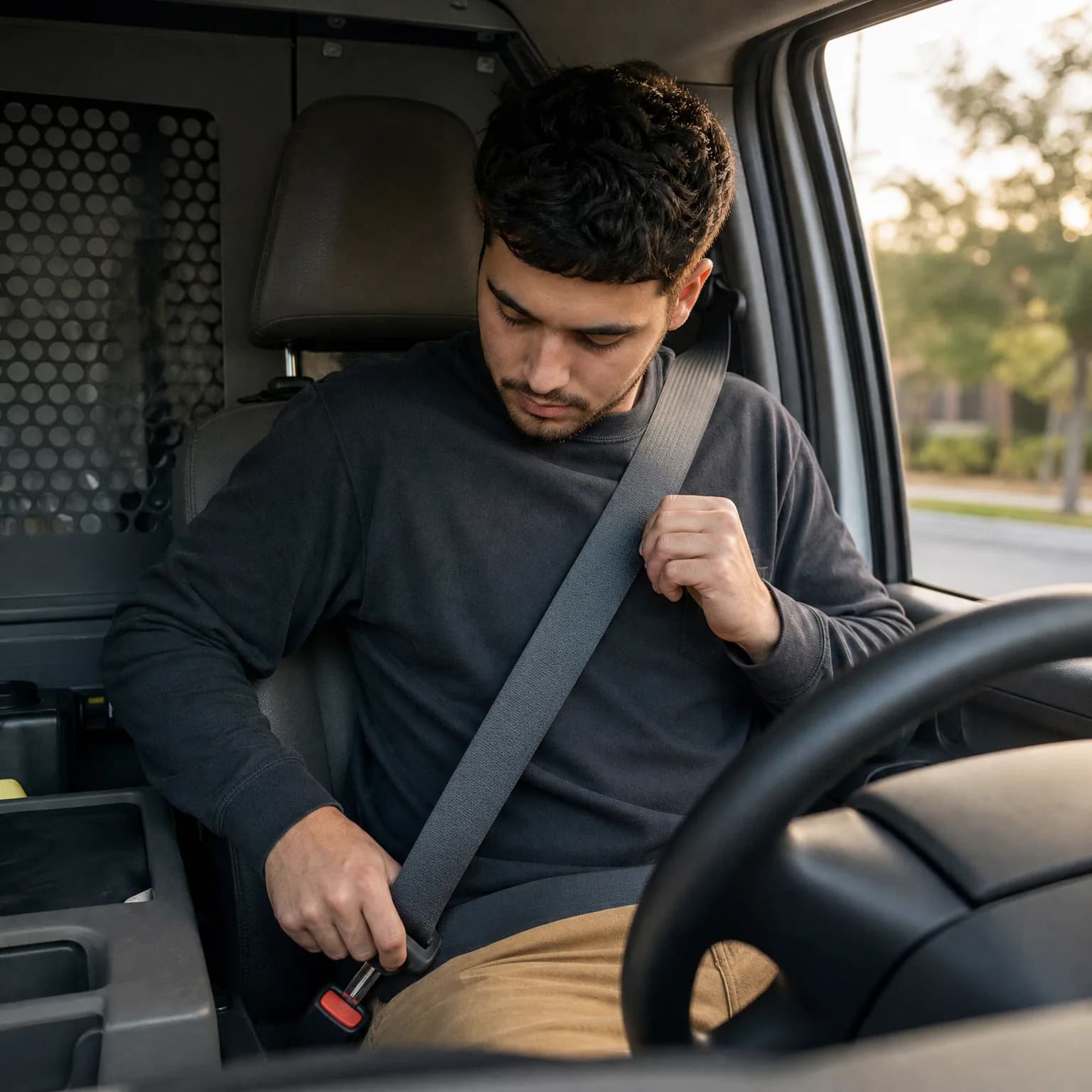
West Virginia Car Insurance Requirements
7/15/2026

West Virginia Medical Payments Coverage
7/15/2026

Uninsured Motorist Coverage in West Virginia
7/15/2026
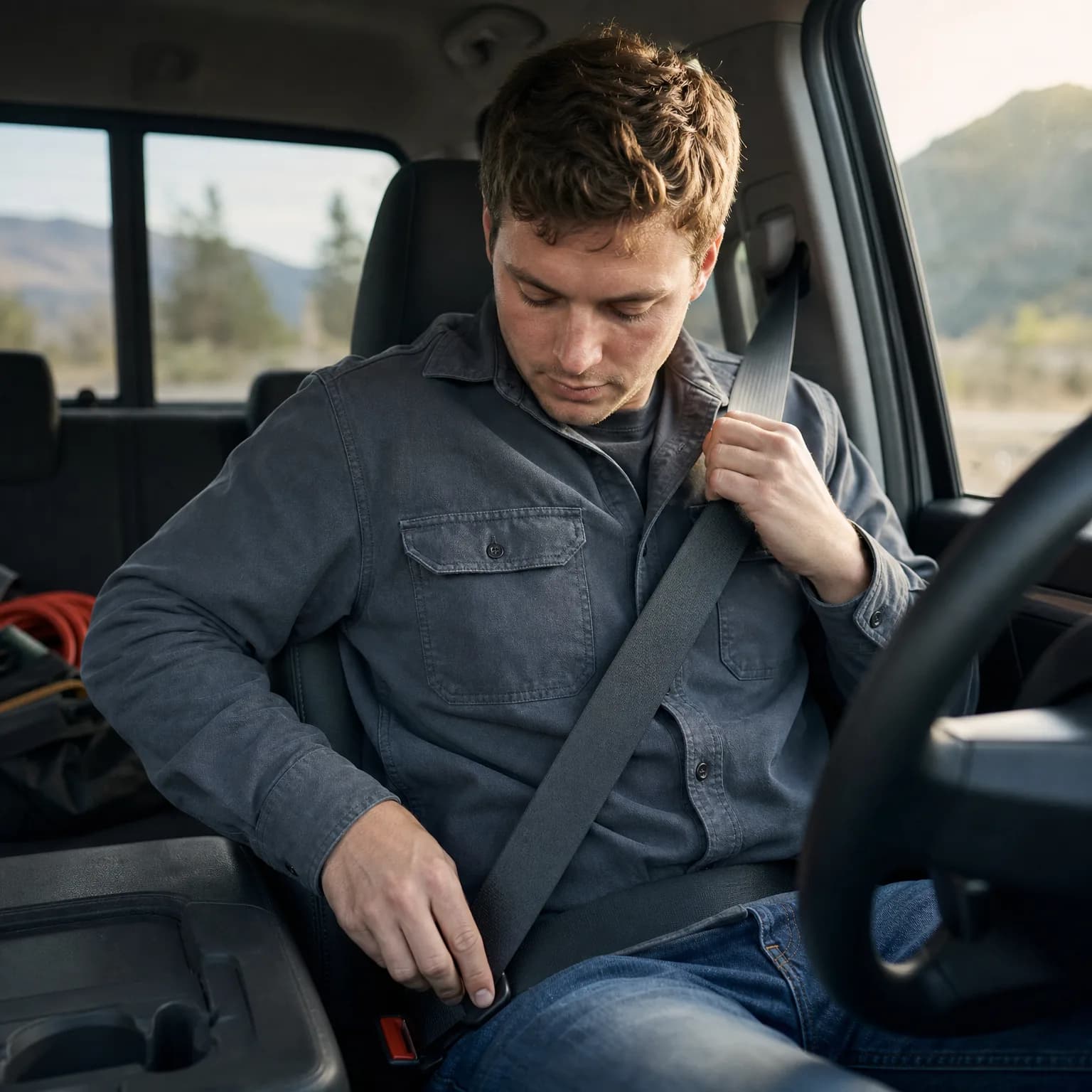
Multi-Car Coverage Requirements West Virginia
7/15/2026
West Virginia Uninsured Motorist Requirement
7/15/2026
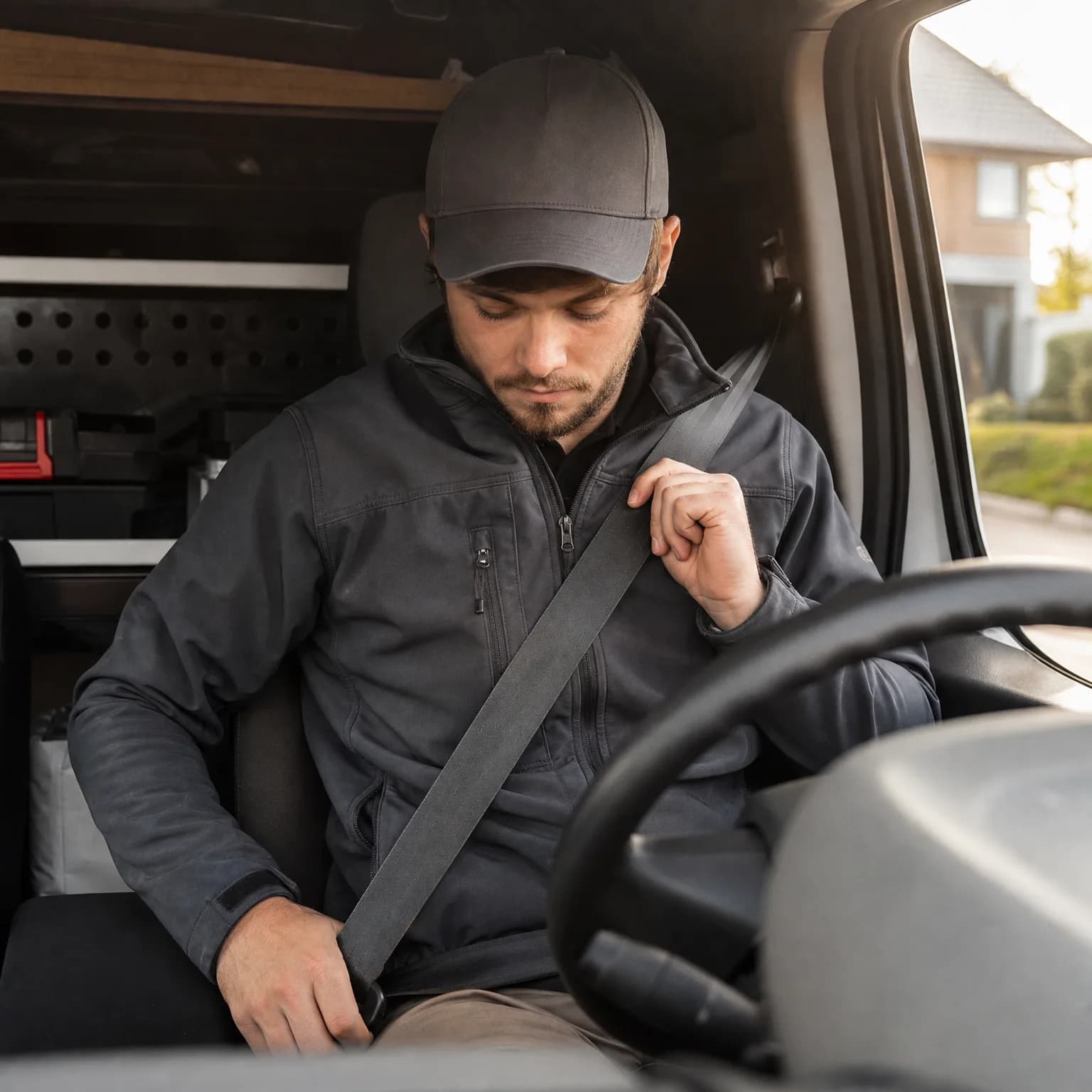
Does West Virginia Require PIP Coverage
7/15/2026

When One Vehicle Is Enough
If only one person drives most of the time and passengers are rare, a single higher MedPay limit on the primary vehicle may be more cost-efficient than lower limits across multiple cars.
MedPay does not cover injuries sustained outside the vehicle. If you're injured as a pedestrian or while riding in someone else's car, your own vehicle's MedPay does not apply unless you're struck by your own insured vehicle. The coverage is vehicle-specific, so the car involved in the accident determines which MedPay policy responds.
West Virginia allows health insurers to subrogate against auto liability settlements, but most do not subrogate against your own MedPay. Check your health plan's coordination-of-benefits rules before deciding whether MedPay duplicates coverage you already carry.
7.8%
West Virginia Uninsured Motorist Rate
MedPay covers your household's medical bills when an uninsured driver injures you and liability doesn't apply, such as when you're a passenger in the at-fault vehicle.
Insurance Information Institute, 2023

How MedPay Interacts With Uninsured Motorist Coverage
West Virginia requires uninsured motorist coverage, which pays for injuries caused by drivers with no insurance or insufficient liability limits. UM coverage includes a bodily-injury component but does not automatically include medical payments. MedPay and UM work together: MedPay pays immediately without proving fault, and UM covers damages beyond MedPay's limit after you establish the other driver's liability.
The UM claim then covers additional damages — lost wages, pain and suffering, and medical bills beyond the MedPay limit. MedPay speeds payment; UM covers the rest.
Compare Carriers That Write Multi-Vehicle MedPay in West Virginia
Nineteen carriers write auto insurance in West Virginia, and most offer MedPay as an optional coverage. Per-vehicle MedPay premiums vary by carrier, vehicle, and the limit you select. Comparing quotes across carriers that write your household's vehicles shows whether adding MedPay to every car costs more than the stacking benefit justifies.
The stacking structure usually makes per-vehicle coverage more valuable when multiple people regularly ride together, but premium differences between carriers can shift the decision. Use the comparison tool to see which structure costs less for your household's vehicles and driver profile.
When to Add MedPay to Every Vehicle
Add MedPay to every vehicle when multiple household members regularly ride together.
MedPay pays primary, meaning it covers bills before your health insurance applies. It does not require a copay, deductible, or network restriction, and most carriers do not subrogate against your health insurer. If your health plan carries high deductibles or excludes auto accidents, MedPay fills the gap. Households without health insurance or with high-deductible plans gain the most from per-vehicle MedPay.
Get Your Free Quote
Get My West Virginia Car Insurance QuoteFrequently Asked Questions
Does MedPay cover passengers in my car?
Yes. MedPay covers anyone injured in your vehicle — you, household members, and passengers — regardless of who caused the accident. Each injured person can claim up to the policy limit.
Can I use MedPay if I'm injured in someone else's car?
No. MedPay follows the vehicle, not the driver. If you're injured as a passenger in another person's car, their MedPay applies if they carry it. Your own vehicle's MedPay does not cover injuries sustained outside your insured vehicles.
Does MedPay stack across multiple vehicles in my household?
Yes. If you carry MedPay on two vehicles and three people are injured in one accident, each person can claim against both policies.
Do I need MedPay if I have health insurance?
MedPay pays primary and does not require a deductible, copay, or network restriction. If your health plan carries high deductibles or excludes auto accidents, MedPay fills the gap. Most carriers do not subrogate against your health insurer.
What is the difference between MedPay and uninsured motorist coverage?
MedPay pays your household's medical bills immediately, regardless of fault. Uninsured motorist coverage pays for injuries caused by drivers with no insurance, but only after you prove the other driver's liability. MedPay speeds payment; UM covers damages beyond MedPay's limit.
How much does MedPay cost in West Virginia?
Premium varies by carrier, vehicle, and the limit you select. Comparing quotes across carriers that write your household's vehicles shows whether adding MedPay to every car costs more than the stacking benefit justifies.