
Uninsured Motorist Coverage — West Virginia
Free to compare
What Uninsured Motorist Coverage Protects in a Multi-Car Household
You just added a second car to your West Virginia policy and noticed a line item labeled uninsured motorist coverage with a dollar figure next to it. You're not sure whether that coverage protects both vehicles, whether you elected it separately for each car, or whether the limit applies per accident or per vehicle. West Virginia is one of the states that requires uninsured motorist coverage on every auto policy unless you reject it in writing, and the way it applies across multiple vehicles is not intuitive.
Uninsured motorist coverage pays for your injuries and, in some cases, property damage when you're hit by a driver who carries no liability insurance or flees the scene. West Virginia law mandates that every insurer offer UM coverage at limits equal to your liability limits, and you must sign a written rejection if you don't want it. Most multi-car households accept the coverage without realizing that the per-person and per-accident limits they elected apply to the entire policy, not to each vehicle separately.
“The UM limit applies to the policy as a whole, not to each vehicle, so adding cars does not increase the per-accident cap unless you request higher limits.”
Get More Than the West Virginia Minimum for Less
Get My West Virginia Car Insurance Quote7.8%
West Virginia Uninsured Motorist Rate
Nearly 1 in 13 drivers on West Virginia roads carries no liability insurance. That rate makes uninsured motorist coverage one of the most frequently used coverages in the state, particularly in multi-vehicle households where exposure is higher.
Insurance Information Institute, 2023
How Uninsured Motorist Limits Apply Across Multiple Vehicles
The UM limit you elected applies to the policy as a whole, not to each vehicle listed on the policy. Adding a second or third car does not increase the UM limit unless you request a higher limit when you add the vehicle.
This structure surprises many multi-car households. A driver assumes that insuring three vehicles means three times the UM protection, but the policy limit is shared across all vehicles and all covered persons. If two of your cars are hit in separate accidents on the same day, each accident draws from the same per-person and per-accident limits. The only way to increase total UM protection is to elect higher limits at the policy level.
West Virginia also offers uninsured motorist property damage coverage, which pays for damage to your vehicle when an uninsured driver is at fault. UMPD is subject to a separate limit and a deductible, and like UM bodily injury, the limit applies per accident, not per vehicle. If an uninsured driver totals two of your cars in one accident, the UMPD limit applies once to the combined damage, minus the deductible.
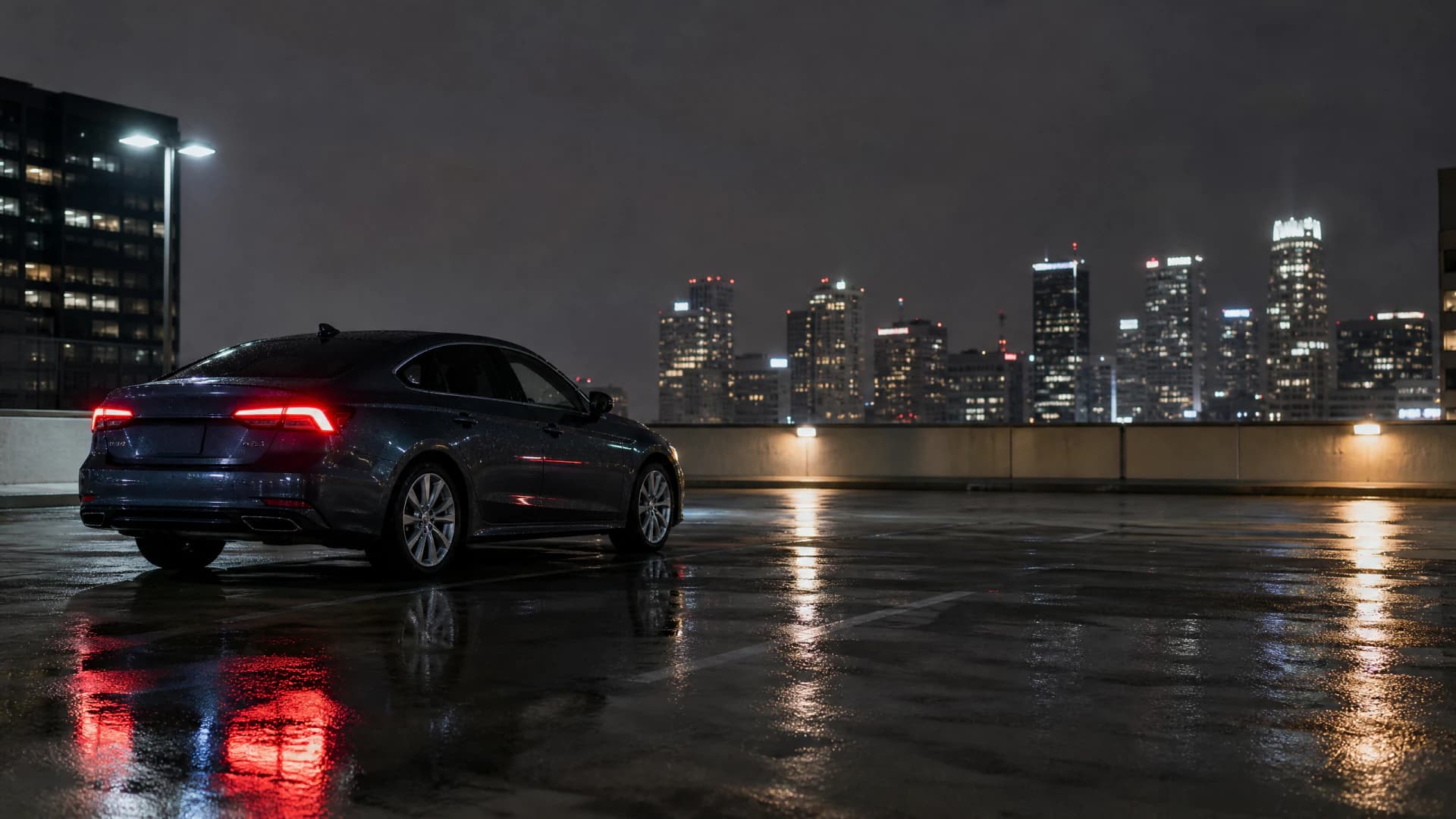
The UM limit you elected applies to the entire policy, not to each vehicle. Adding cars does not increase the per-accident limit unless you request a higher election.
Related Articles

How Adding a Vehicle Changes Your Uninsured Motorist Election
When you add a vehicle to your West Virginia policy mid-term, the carrier applies your existing UM election to the new vehicle automatically. You do not re-elect UM coverage for each car. If you want to increase your UM limits when you add the vehicle, you must request the change explicitly. Most carriers allow you to increase UM limits at any time, and the increase applies to the entire policy, not just the newly added vehicle.
Some multi-car households assume that because they're paying a premium for each vehicle, each vehicle carries its own UM limit. That is not how the coverage works. The per-vehicle premium reflects the exposure each car adds to the policy, but the UM limit remains a single per-accident cap. If you're adding a third or fourth vehicle and your household's total exposure is increasing, review your UM limits to confirm they're adequate for a scenario where multiple household members are injured in the same accident.
West Virginia law requires that UM limits match your liability limits unless you elect lower UM coverage in writing. You can elect lower UM limits, but you cannot elect higher UM limits than your liability limits without also increasing liability. This structure means that households carrying state minimum liability limits of $25,000 per person and $50,000 per accident are capped at the same UM limits unless they increase liability first.
$25,000 / $50,000
West Virginia Minimum Liability Limits
West Virginia requires $25,000 per person and $50,000 per accident in bodily injury liability, plus $25,000 in property damage liability. UM coverage cannot exceed these amounts unless you carry higher liability limits.
West Virginia Division of Motor Vehicles
Stacking and Non-Stacking in Multi-Car Households
West Virginia allows UM stacking on multi-vehicle policies unless you sign a written rejection of stacking. Stacking means that if you're injured in an accident, you can combine the UM limits from each vehicle on your policy to increase the total available coverage. Non-stacking means the UM limit applies once per accident regardless of how many vehicles are on the policy.
Most carriers in West Virginia offer a premium credit if you reject stacking in writing. The credit reflects the reduced exposure the carrier faces when limits do not multiply across vehicles. For households that carry high UM limits already, rejecting stacking may make sense. For households that carry state minimum UM limits and insure multiple vehicles, stacking can provide meaningful additional protection without increasing the per-vehicle limit.
Compare Carriers That Write Multi-Vehicle UM Coverage in West Virginia
Not every carrier writes multi-vehicle policies the same way, and UM pricing varies significantly across the West Virginia market. Compare West Virginia carriers that write households with two or more vehicles and confirm how each structures UM limits, whether stacking is offered, and what the premium difference is between stacked and non-stacked coverage. Carriers including State Farm, Geico, Progressive, Nationwide, and Allstate all write multi-car policies in West Virginia and offer UM coverage with stacking options, but pricing and underwriting rules differ. Request quotes that show both stacked and non-stacked UM premiums so you can evaluate whether the additional cost justifies the increased limit.
When Uninsured Motorist Coverage Pays on a Multi-Car Policy
The first scenario is a hit-and-run. If an unidentified driver hits one of your vehicles and flees, your UM bodily injury coverage pays for injuries to you and your passengers up to the per-person and per-accident limits. UMPD pays for vehicle damage up to the UMPD limit, minus the deductible. West Virginia does not require you to file a police report within a specific window to preserve UM coverage, but most carriers require a report within 24 to 48 hours to process the claim. If two of your household's vehicles are hit in separate hit-and-run incidents, each claim draws from the same policy limits.
The second scenario is an at-fault driver with no insurance. If another driver causes an accident and admits fault but carries no liability coverage, your UM coverage steps in. The carrier investigates fault just as it would in a liability claim, and if the other driver is determined to be at fault, your UM coverage pays. The third scenario is an underinsured driver. If the at-fault driver carries liability limits lower than your UM limits, underinsured motorist coverage pays the difference between what the other driver's policy pays and your UM limit. West Virginia treats UM and UIM as a single coverage with a single combined limit, so the per-accident cap applies to the total of both.
Get Your Free Quote
Get My West Virginia Car Insurance QuoteFrequently Asked Questions
Does uninsured motorist coverage apply to all vehicles on my West Virginia policy?
Yes, the UM coverage you elected applies to every vehicle on your policy, but the per-person and per-accident limits are shared across all vehicles. Adding a second or third car does not increase the UM limit unless you request a higher election when you add the vehicle.
What is UM stacking and should I elect it on a multi-car policy?
Stacking allows you to combine the UM limits from each vehicle on your policy to increase total available coverage. West Virginia allows stacking unless you reject it in writing, and most carriers offer a premium credit for rejecting stacking.
Can I carry higher uninsured motorist limits than my liability limits in West Virginia?
No, West Virginia law caps UM limits at your liability limits. If you carry $25,000 per person in liability coverage, you cannot elect more than $25,000 per person in UM coverage unless you increase your liability limits first.
Does uninsured motorist property damage cover all my vehicles in one accident?
UMPD pays up to the policy limit per accident, not per vehicle. If an uninsured driver damages two of your cars in one accident, the UMPD limit applies once to the combined damage, minus the deductible. The limit does not multiply by the number of vehicles involved.
What happens if two of my vehicles are hit by uninsured drivers on the same day?
Each accident is a separate claim, and each draws from the same per-person and per-accident UM limits. If your policy carries $50,000 per accident in UM coverage, each accident is subject to that $50,000 cap. The limits do not reset between accidents unless you carry stacked coverage and the accidents involve different insured vehicles.