
Rental Reimbursement Coverage — West Virginia
Free to compare
The Multi-Vehicle Rental Coverage Question
You own two or three cars. One goes into the shop after an accident. You assume the spare handles transportation while repairs drag on—no rental needed, no coverage worth buying. That assumption works until the second vehicle needs service the same week, or your spouse takes the backup car to work while yours sits at the body shop.
The question for multi-vehicle households is whether owning a spare eliminates the scenario where you'd actually use it. The answer depends on how your household uses its vehicles, how many drivers share them, and whether your policy structure lets you buy coverage selectively.
“Rental reimbursement pays per disabled vehicle, not per household—owning a spare does not eliminate the gap when two cars are out simultaneously.”
Get More Than the West Virginia Minimum for Less
Get My West Virginia Car Insurance Quote18 carriers
West Virginia Auto Insurers
West Virginia's carrier roster includes 18 insurers writing standard and non-standard auto policies.
West Virginia carrier roster, 2025
What Rental Reimbursement Actually Covers
Rental reimbursement pays for a rental car when your insured vehicle is disabled by a covered claim: collision, comprehensive (theft, weather, vandalism), or in some policies, mechanical breakdown if you carry that optional coverage. It does not pay for routine maintenance, oil changes, or elective service. The coverage triggers only when the vehicle cannot be driven due to a claim the policy covers.
The payment structure is per vehicle, not per household. If you own three cars on one policy and buy rental reimbursement on all three, a claim disabling one vehicle triggers that vehicle's rental coverage. A simultaneous claim on a second vehicle triggers its own separate rental benefit. The coverage does not pool across vehicles or share a household maximum—it attaches to the individual car.
Daily limits and per-claim maximums vary by carrier and the coverage tier you select. The clock starts when the claim is filed and the vehicle enters the shop, and stops when repairs are complete or the maximum is exhausted, whichever comes first.
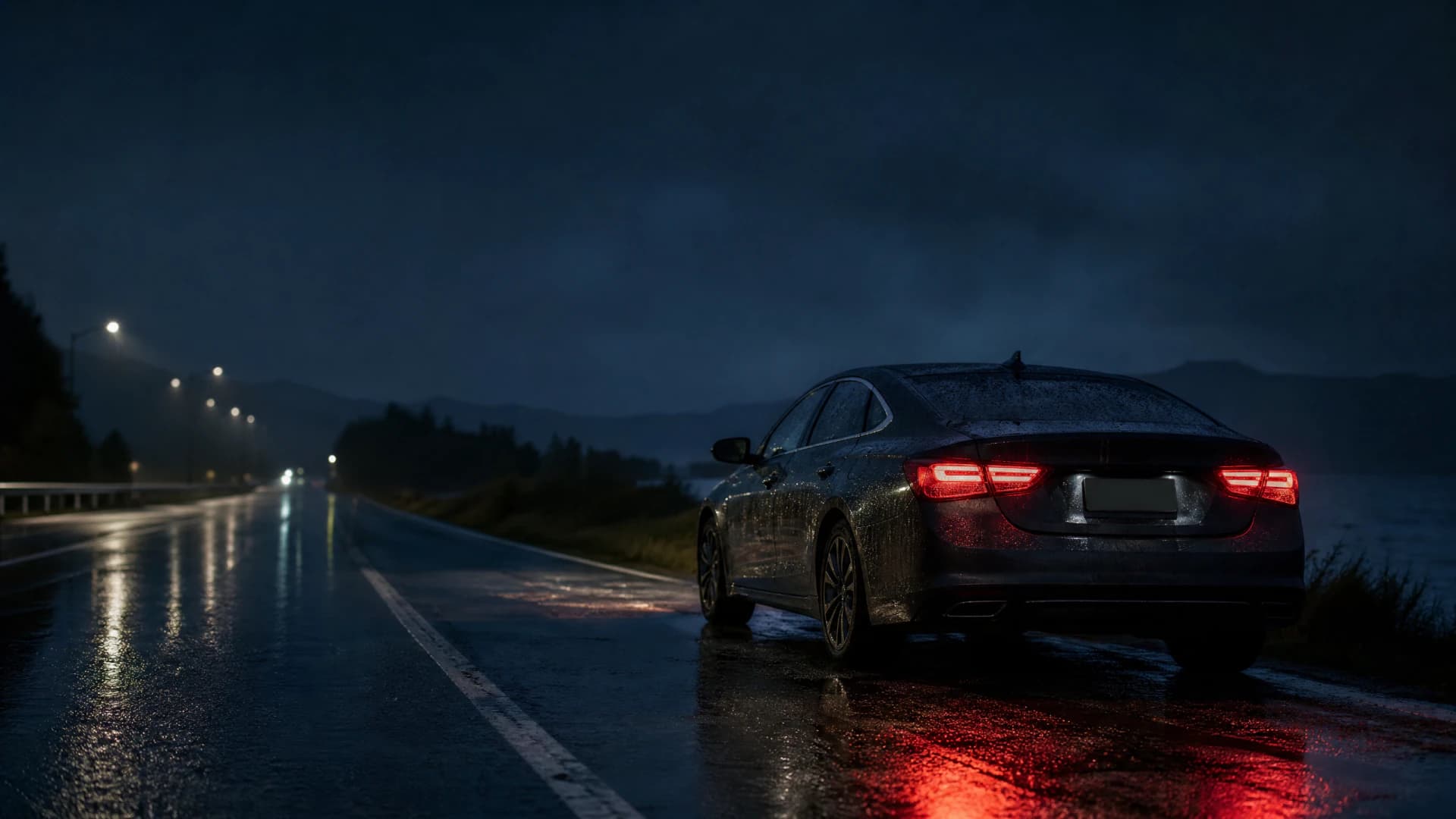
Rental reimbursement pays per disabled vehicle. Owning a spare does not trigger the coverage—only a covered claim does.
Related Articles





How Multi-Vehicle Policies Structure Rental Coverage
West Virginia carriers let you buy rental reimbursement per vehicle, not per policy. If your household policy covers three cars, you choose whether to add rental coverage to all three, to one or two, or to none.
The strategic decision is whether to cover all vehicles or only the one most likely to need a rental. Households that rely on one primary vehicle for commuting often cover that car only, reasoning that if the secondary or tertiary vehicle is disabled, the primary remains available. Households where every vehicle serves a daily driver typically cover all of them, because losing any one car disrupts someone's transportation.
Some carriers bundle rental reimbursement into higher-tier coverage packages rather than offering it as a standalone add-on. If your policy includes rental coverage automatically, check the daily limit and per-claim maximum—bundled coverage often carries lower limits than optional upgrades, and you may need to request a higher tier to match the rental rates in your area.
$25,000 / $50,000 / $25,000
West Virginia Minimum Liability
West Virginia requires $25,000 bodily injury per person, $50,000 per accident, and $25,000 property damage. Rental reimbursement is optional and does not affect liability compliance, but it pairs with collision and comprehensive coverage, which are also optional unless a lienholder requires them.
West Virginia state minimum liability requirements
The Cost-Benefit Calculation for Multi-Vehicle Households
Rental reimbursement costs less than one day of out-of-pocket rental in most markets. The coverage pays for itself if you use it once every few years. The question is whether your household's vehicle count and usage pattern make that scenario likely.
Households that drive high annual mileage on every vehicle face higher collision and comprehensive claim frequency, which increases the likelihood of needing a rental. Households that keep one vehicle garaged most of the time and drive it infrequently face lower risk on that vehicle and may reasonably skip coverage on it while covering the daily drivers.
The gap scenario—two vehicles out simultaneously—is rare but not negligible. Repair backlogs during parts shortages or after severe weather events can leave vehicles in the shop for weeks. If your household depends on every car to function, covering all of them hedges against the compounding disruption of losing two at once.
Compare Carriers and Build Your Multi-Vehicle Policy
Rental reimbursement availability, daily limits, and premium vary across West Virginia's 18-carrier roster. The right structure depends on how long repairs typically take in your area and whether your household can absorb a multi-day rental expense without coverage.
When you compare quotes, specify how many vehicles you want to cover and request daily limit options for each. Carriers that write multi-vehicle policies often discount the total premium when you add the same optional coverage to multiple cars, but the discount structure varies—ask explicitly.
When a Spare Car Is Not Enough
The first scenario: two vehicles disabled simultaneously. A collision totals your primary car; the insurance adjuster schedules an inspection. Your spouse's car develops a mechanical issue the same week and sits at the dealer waiting for parts. You now have zero drivable vehicles and two adults who need to commute. Rental reimbursement on both policies would have covered two rentals; without it, you pay out of pocket or lose work days.
The second scenario: the spare is not insured for the driver who needs it. Your household owns three cars. One is titled to your teenage driver with a restricted policy that does not allow other household members to drive it. Your car is in the shop after a hit-and-run. Your spouse's car is the only option, but they need it for work. The teen's car sits unused because you cannot legally drive it under their policy terms. Rental coverage on your vehicle would have solved this; the spare did not.
Get Your Free Quote
Get My West Virginia Car Insurance QuoteFrequently Asked Questions
Does rental reimbursement cover all vehicles on my policy automatically?
No. Rental reimbursement is purchased per vehicle. If your policy covers three cars, you choose whether to add rental coverage to all three, to one or two, or to none. The premium and coverage apply separately to each vehicle you select.
Can I use rental reimbursement if I own a spare car?
Yes. Rental reimbursement triggers when a covered claim disables the insured vehicle, regardless of whether you own other cars. If two vehicles are disabled simultaneously, each vehicle's rental coverage applies separately—you can rent two cars if both policies carry the coverage.
What daily rental limit should I choose for a multi-vehicle household?
Choose a daily limit that matches or exceeds typical rental rates in your area.
Does rental reimbursement pay if my car is in the shop for routine maintenance?
No. Rental reimbursement pays only when a covered claim disables your vehicle—collision, comprehensive, or mechanical breakdown if you carry that optional coverage. Routine maintenance, oil changes, and elective service do not trigger rental benefits.
Is rental reimbursement required in West Virginia?
No. West Virginia does not mandate rental reimbursement. The state requires $25,000/$50,000/$25,000 liability coverage and uninsured motorist coverage, but rental reimbursement is optional. Lienholders may require it as part of full coverage, but the state does not.