
Liability vs Full Coverage — West Virginia
Free to compare
The Multi-Vehicle Coverage Decision
You own two or more vehicles in West Virginia and you're deciding whether to carry minimum liability on all of them or add collision and comprehensive to some. The decision feels like it should be per-vehicle: older car gets liability-only, newer car gets full coverage. But carriers don't price it that way. When you change coverage on one vehicle mid-term, the entire policy re-rates. The premium shift affects every car on the policy, not just the one you modified.
This structural reality means the liability-versus-full-coverage choice is a whole-policy question, not a per-vehicle one. You need to understand how West Virginia's minimum requirements anchor the decision, which vehicles justify collision and comprehensive based on their value, and how carriers in this state structure multi-vehicle policies when coverage levels differ across cars.
“When you change coverage on any car, the carrier re-rates the entire policy—the multi-car discount and base rate recalculate across all vehicles.”
Get More Than the West Virginia Minimum for Less
Get My West Virginia Car Insurance Quote$25,000 / $50,000 / $25,000
West Virginia Minimum Liability
West Virginia requires $25,000 bodily injury per person, $50,000 bodily injury per accident, and $25,000 property damage. Uninsured motorist coverage is mandatory. These minimums apply to every vehicle you register, regardless of how many cars sit on your policy.
West Virginia Division of Motor Vehicles
What Liability-Only Actually Covers Across Multiple Vehicles
Minimum liability meets West Virginia's legal requirement to register and drive. It pays for damage you cause to another person's property or injuries you cause to others, up to the limits above. It does not pay to repair or replace your own vehicle after a collision, theft, vandalism, weather damage, or animal strike. When you carry liability-only on multiple vehicles, every car on the policy is exposed to total loss if you're at fault or the other driver is uninsured and your UM limits are exhausted.
West Virginia mandates uninsured motorist coverage, which provides a layer of protection when the at-fault driver has no insurance. But UM coverage follows the same per-person and per-accident limits as your liability policy unless you purchase higher limits. If you're hit by an uninsured driver and the damage exceeds your UM property damage limit, you pay the difference out of pocket. Across multiple vehicles, that exposure multiplies.
Liability-only makes sense when the vehicle's cash value is low enough that you can afford to replace it without insurance proceeds. A common threshold: if the car is worth less than ten times your monthly premium for full coverage on that vehicle, collision and comprehensive may not be worth the cost. But you need to apply that test to each car individually while recognizing that the policy as a whole re-rates when you mix coverage levels.

Changing coverage on one vehicle triggers a full policy re-rate. The premium shift affects every car, not just the one you modified.
Related Articles
Best Multi-Car Insurance Companies in WV
7/15/2026

Liability vs Full Coverage Multi-Car WV
7/15/2026
Dropping Full Coverage in West Virginia
7/15/2026
Full Coverage Carriers in West Virginia
7/15/2026

Minimum vs Full Coverage for Multiple Cars WV
7/15/2026
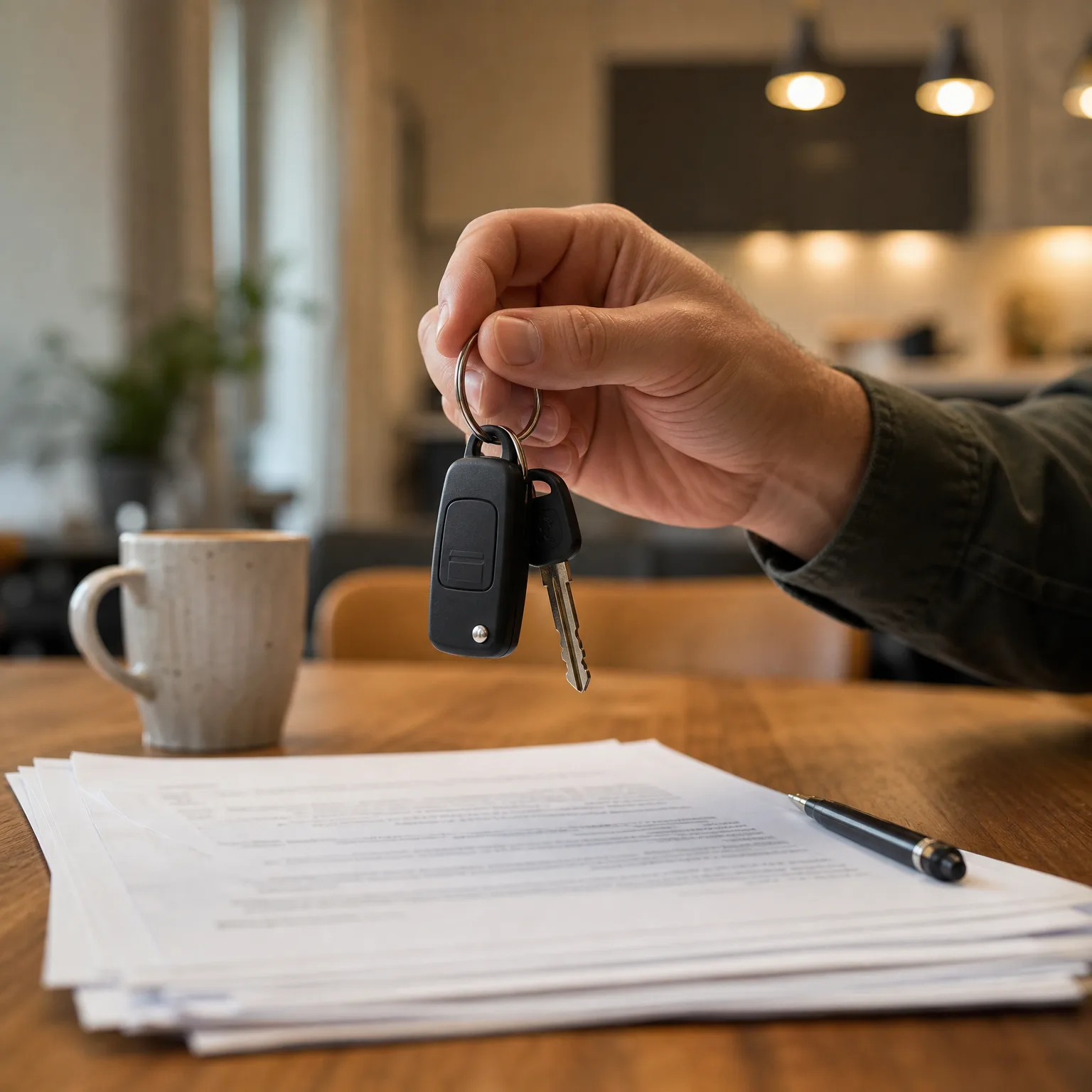
Full Coverage Car Insurance in West Virginia
7/15/2026
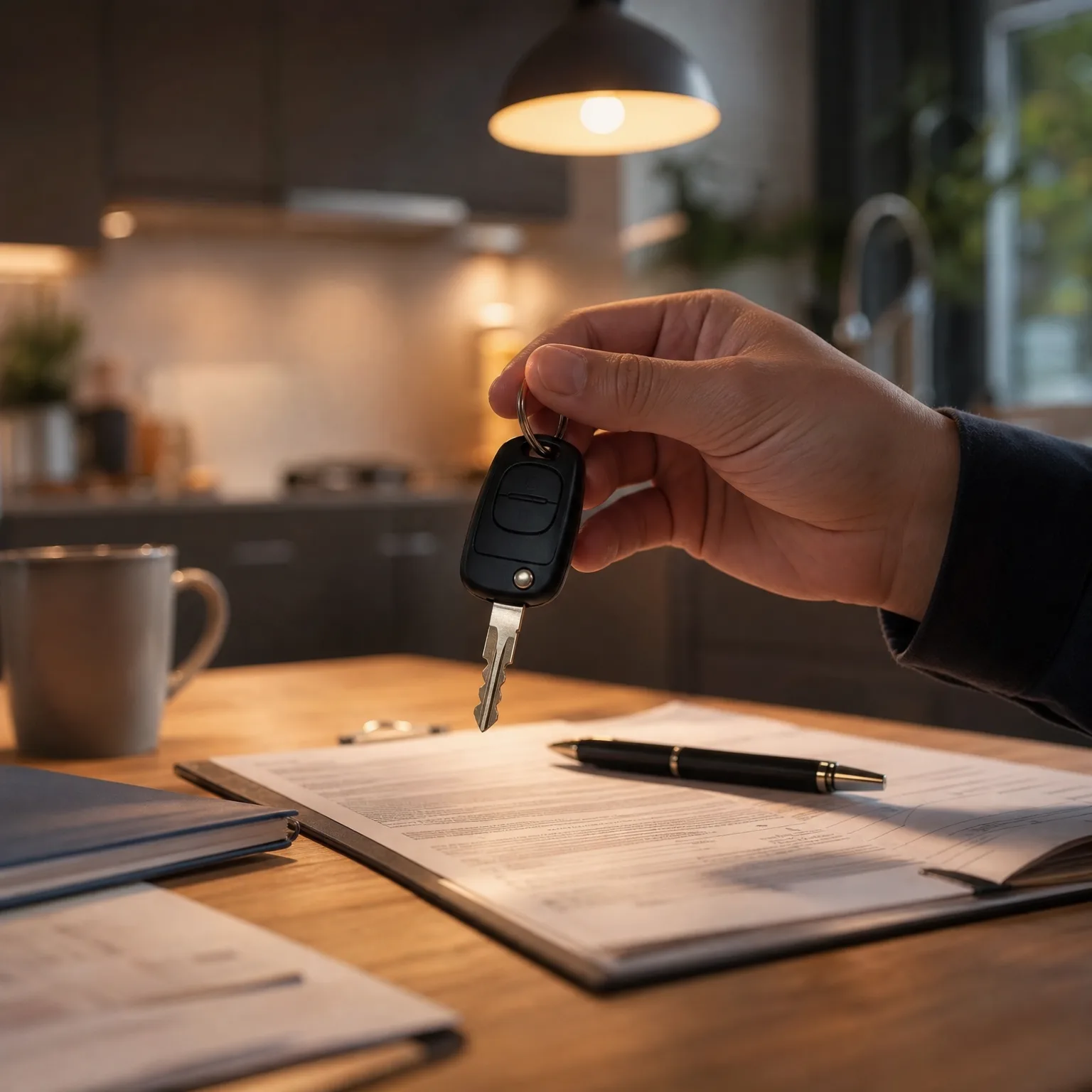
How the Policy Re-Rates When You Mix Coverage Levels
Most households assume that dropping collision and comprehensive on one vehicle simply removes that vehicle's full-coverage premium from the total. That's not how multi-vehicle policies work. When you change coverage on any car, the carrier re-rates the entire policy. The multi-car discount, the policy-level base rate, and the risk profile all recalculate. Sometimes the total premium drops less than you expected; sometimes it drops more. The only way to know is to request a re-quote with the new coverage structure before you make the change binding.
This re-rating behavior means you cannot evaluate the liability-versus-full-coverage decision in isolation for each vehicle. You need to compare the total policy premium under different coverage scenarios: all vehicles with full coverage, all vehicles with liability-only, or a mix where newer or financed vehicles carry full coverage and older paid-off vehicles carry liability-only. Carriers provide these scenario quotes at no cost, and the comparison is the only reliable way to see what you actually pay.
If you change coverage mid-term rather than at renewal, the carrier prorates the premium difference and either refunds the unused portion or charges the additional amount. The proration is based on the number of days remaining in the term, not the number of months. Some carriers process mid-term changes within one business day; others take up to five business days. During that window, the old coverage remains in force until the endorsement is finalized.
One failure mode households miss: if you drop collision and comprehensive on a financed vehicle without notifying the lender, the lender will force-place coverage at a much higher cost and back-bill you. Force-placed insurance protects only the lender's interest, not yours, and it does not satisfy West Virginia's liability requirement. Always confirm with your lender before dropping full coverage on a financed or leased vehicle, even if you plan to pay off the loan soon.
7.8%
West Virginia Uninsured Motorist Rate
7.8% of West Virginia drivers are uninsured. When you carry liability-only on multiple vehicles, an at-fault uninsured driver can leave you paying out of pocket for damage that exceeds your UM limits. Full coverage eliminates that exposure for your own vehicles.
Insurance Information Institute, 2023
Which Vehicles Justify Full Coverage
Apply this test to each vehicle on your policy: if the car's current market value is greater than ten times the annual cost of adding collision and comprehensive, full coverage is worth considering. If the value is lower, liability-only is usually the better financial choice unless you cannot afford to replace the vehicle out of pocket. For financed or leased vehicles, the lender's requirement overrides this test entirely.
A second consideration is replacement cost. If losing one vehicle would force you to finance a replacement immediately, full coverage protects you from that scenario even if the vehicle's value is modest. Households insuring multiple cars often keep one older vehicle as a backup or for a teen driver; if that vehicle is truly disposable, liability-only makes sense. If it's essential to daily operations, full coverage may be worth the cost regardless of the car's book value.
Compare Carriers for Your Specific Coverage Structure
Carriers in West Virginia price multi-vehicle policies differently, and those differences widen when you mix coverage levels across vehicles. A carrier that offers a large multi-car discount may price full coverage on individual vehicles higher than a carrier with a smaller discount but lower base rates. The only way to identify the best fit for your household is to compare quotes with the exact coverage structure you plan to carry: liability-only on specified vehicles, full coverage on others, and the deductibles you've chosen.
Request quotes from at least three carriers. Provide the same information to each: the year, make, and model of every vehicle; the primary driver for each car; the garaging address; and the coverage levels and deductibles you want to compare. Carriers that write multi-vehicle policies in West Virginia and offer online quoting include GEICO, Progressive, State Farm, Allstate, Nationwide, and Liberty Mutual. USAA serves military-affiliated households. Farmers, Travelers, Erie, Hartford, and CSAA write multi-car policies through agents. Compare the total policy premium, not the per-vehicle breakdown, because the multi-car discount and policy-level pricing make per-vehicle figures misleading.
What Full Coverage Adds for Each Vehicle
When you add full coverage to one vehicle on a multi-car policy, you choose a deductible for collision and a separate deductible for comprehensive. Common deductible choices are $500 or $1,000. A higher deductible lowers your premium but increases your out-of-pocket cost at claim time. The deductible applies per incident, not per vehicle, so if two cars on your policy are damaged in the same storm, you pay the comprehensive deductible twice.
Full coverage protects the vehicle's value regardless of fault. If you finance or lease any car on your policy, the lender requires collision and comprehensive until the loan is paid off. If you own the vehicles outright, the decision is yours. Carriers in West Virginia that write multi-vehicle policies include State Farm, GEICO, Progressive, Allstate, Nationwide, Liberty Mutual, Farmers, USAA, Travelers, Erie, Hartford, and CSAA. Each structures multi-car discounts and coverage-level pricing differently, so comparing quotes across carriers is the only way to see the true cost difference between liability-only and full coverage for your specific household.
Get Your Free Quote
Get My West Virginia Car Insurance QuoteFrequently Asked Questions
Can I carry full coverage on one vehicle and liability-only on another on the same policy in West Virginia?
Yes. West Virginia allows you to carry different coverage levels on different vehicles within the same multi-car policy. Every vehicle must meet the state's minimum liability requirement of $25,000 per person, $50,000 per accident, and $25,000 property damage, plus mandatory uninsured motorist coverage. You can add collision and comprehensive to some vehicles and leave others with liability-only. The carrier will re-rate the entire policy when you set different coverage levels, so request a quote with your specific structure before finalizing.
What happens to my premium if I drop full coverage on one car mid-term?
The carrier re-rates your entire multi-vehicle policy and prorates the premium difference based on the number of days remaining in your term. You receive a refund for the unused portion of the collision and comprehensive premium, minus any administrative fee the carrier charges for mid-term changes. The refund amount is often smaller than you expect because the multi-car discount and base rate recalculate when coverage levels change. Request a re-quote before making the change binding so you know the exact refund amount.
Do I need full coverage on a paid-off car in West Virginia?
No. West Virginia requires only liability and uninsured motorist coverage. If you own the vehicle outright, you decide whether to add collision and comprehensive. Full coverage makes sense when the car's market value is high enough that you cannot afford to replace it out of pocket, or when losing the vehicle would force you to finance a replacement immediately. If the car's value is low and you can absorb the loss, liability-only is usually the better financial choice.
How does the multi-car discount work when vehicles have different coverage levels?
The multi-car discount applies to the total policy premium, not to individual vehicles. When you carry different coverage levels across vehicles, the carrier calculates the discount after pricing each vehicle's coverage separately. A larger discount on a higher total premium can still cost more than a smaller discount on a lower base rate, so compare total policy premiums across carriers rather than focusing on the discount percentage alone.
Can I add collision and comprehensive to just one vehicle on a multi-car policy?
Yes. Carriers in West Virginia allow you to add collision and comprehensive to any vehicle on a multi-car policy while leaving others with liability-only. You choose separate deductibles for collision and comprehensive on each vehicle that carries full coverage. The carrier re-rates the entire policy when you add coverage to one vehicle, so the premium increase reflects the new coverage plus any change to the multi-car discount or base rate.
What is the minimum liability coverage required in West Virginia for multiple vehicles?
Every vehicle you register in West Virginia must carry at least $25,000 bodily injury per person, $50,000 bodily injury per accident, $25,000 property damage, and uninsured motorist coverage. These minimums apply to each vehicle individually, but when you insure multiple vehicles on one policy, the per-accident limits cover all vehicles involved in a single incident. You can purchase higher limits to protect assets across your household.
Does liability-only cover my car if I'm hit by an uninsured driver in West Virginia?
Uninsured motorist coverage, which West Virginia mandates, pays for damage to your vehicle when the at-fault driver has no insurance, up to your UM property damage limit. Liability-only does not include collision coverage, so if your UM limit is lower than the repair cost, you pay the difference. Full coverage eliminates this gap because collision pays regardless of the other driver's insurance status.