
Full Coverage Car Insurance — West Virginia
Free to compare
When Full Coverage Becomes a Per-Vehicle Question
You're managing insurance for two or more vehicles in West Virginia and trying to decide whether every car needs full coverage. One vehicle is financed and the lender requires collision and comprehensive. Another is paid off, older, and you're questioning whether the premium justifies the coverage. A third might be a rarely-driven car garaged most of the year. The decision feels binary — full coverage or minimum coverage — but the structural reality is different.
West Virginia law requires $25,000 bodily injury per person, $50,000 per accident, $25,000 property damage, and uninsured motorist coverage on every vehicle you register. Collision and comprehensive are optional unless a lienholder mandates them. Full coverage is not a legal term; it's shorthand for liability plus collision plus comprehensive. On a multi-car policy, you can carry full coverage on one vehicle and minimum coverage on another without losing the multi-vehicle discount, as long as every car sits on the same policy and meets the state's liability floor.
“On a multi-car policy, you can carry full coverage on one vehicle and minimum coverage on another without losing the multi-vehicle discount.”

Get More Than the West Virginia Minimum for Less
Get My West Virginia Car Insurance Quote$25,000 / $50,000 / $25,000
West Virginia Liability Minimums
West Virginia requires $25,000 bodily injury per person, $50,000 per accident, and $25,000 property damage on every registered vehicle. Uninsured motorist coverage is also mandatory. These minimums apply regardless of how many vehicles you insure on one policy.
West Virginia Code § 17D
What Full Coverage Actually Covers Per Vehicle
Full coverage means liability plus collision plus comprehensive on a specific vehicle. Collision pays for damage to your car when you hit another vehicle or object, regardless of fault. Comprehensive pays for theft, vandalism, weather damage, animal strikes, and other non-collision losses. Both coverages are subject to a deductible you choose when you bind the policy — typically $500 or $1,000 — and both pay up to the actual cash value of the vehicle at the time of loss.
West Virginia is a traditional tort state. If another driver causes an accident, their liability coverage pays your vehicle damage. Collision closes that gap. Comprehensive has no tort interaction; it exists solely for non-collision perils your own policy covers.
When you drop collision and comprehensive on a paid-off vehicle, you keep liability and uninsured motorist coverage on that car to meet state law. The vehicle remains on your multi-car policy. You're not removing the car; you're changing the coverage level on one vehicle while leaving the others unchanged. The multi-vehicle discount applies to the policy, not to individual coverage selections, so mixing coverage levels across vehicles does not forfeit the discount.
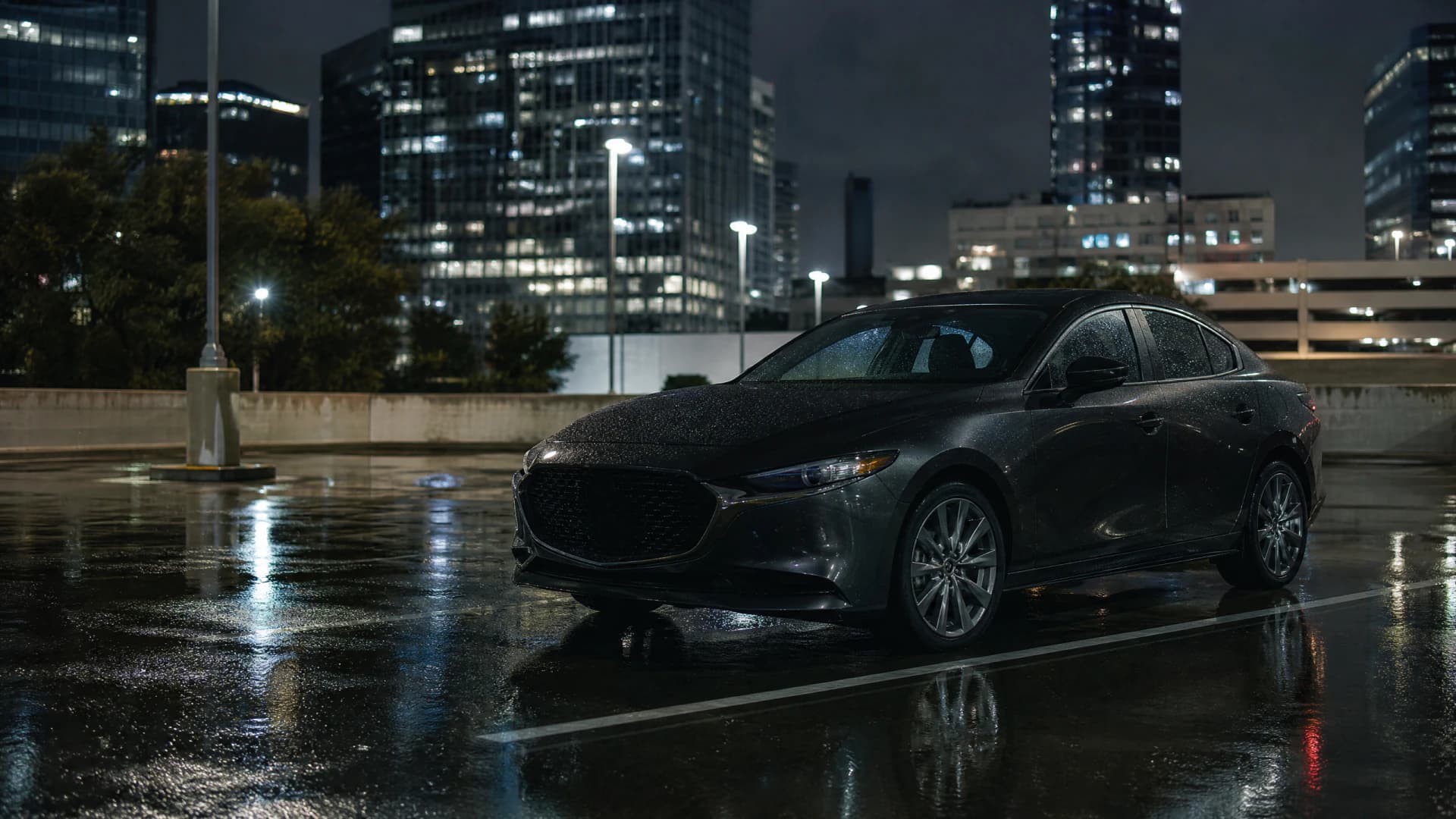
Dropping collision and comprehensive on one vehicle does not remove that car from your multi-car policy or forfeit the multi-vehicle discount. The discount applies to the policy structure, not to individual coverage elections.
Related Articles
Best Multi-Car Insurance Companies in WV
7/15/2026
Dropping Full Coverage in West Virginia
7/15/2026

Full Coverage Carriers in West Virginia
7/15/2026
Best Full Coverage for Multiple Cars in WV
7/15/2026

Liability vs Full Coverage for Multiple Cars WV
7/15/2026

Liability vs Full Coverage Multi-Car WV
7/15/2026
How Mixing Coverage Levels Affects Your Policy
When you drop collision and comprehensive on one vehicle mid-term, the carrier re-rates your policy immediately and issues a prorated refund or adjusts your next billing cycle. The multi-vehicle discount remains intact because the discount applies to insuring multiple vehicles on one policy, not to the coverage level on each vehicle. Carriers calculate the discount off the total premium; reducing coverage on one car lowers the base premium, and the discount percentage applies to the new total.
Adding a vehicle to an existing multi-car policy triggers a full re-rate. The carrier recalculates premium for every vehicle on the policy, applies the multi-vehicle discount to the new total, and bills the difference. If you add a high-value vehicle with full coverage to a policy that previously carried two older cars with liability only, the total premium rises, but the multi-vehicle discount grows in absolute dollar terms because it applies to a larger base. The percentage stays the same; the dollar savings increase.
Some carriers tier their multi-vehicle discount by vehicle count. A household with three cars might receive a larger percentage discount than a household with two. Dropping coverage on one vehicle does not change the vehicle count, so the discount tier remains the same. Removing a vehicle entirely from the policy does change the count and can drop you to a lower discount tier. Verify with your carrier whether your discount is count-sensitive before removing a vehicle.
7.8%
West Virginia Uninsured Motorist Rate
7.8% of West Virginia motorists drive without insurance. Uninsured motorist coverage is mandatory in West Virginia and protects you when an at-fault driver has no liability coverage. This coverage applies regardless of whether you carry collision and comprehensive on your own vehicle.
Insurance Research Council, 2023
Rarely-Driven and Seasonal Vehicles
A vehicle garaged most of the year — a classic car, a seasonal convertible, or a third car used only for errands — still requires liability and uninsured motorist coverage if it's registered in West Virginia. You cannot drop all coverage and keep the registration active. Comprehensive-only coverage is an option some carriers offer for stored vehicles: you drop collision and liability, keep comprehensive to cover theft and weather damage while garaged, and notify the DMV that the vehicle is not in use. This removes the liability requirement but also means the car cannot be driven until you reinstate full coverage and notify the DMV.
On a multi-car policy, a rarely-driven vehicle often carries liability-only coverage rather than comprehensive-only. The car remains legal to drive, stays on the policy, and contributes to the vehicle count for the multi-vehicle discount. The premium is lower than full coverage but higher than comprehensive-only storage coverage. If the vehicle is driven fewer than 1,000 miles per year, ask your carrier whether a low-mileage discount applies before deciding between liability-only and comprehensive-only.
Compare Carriers That Write Multi-Car Policies in West Virginia
Carriers writing multi-car policies in West Virginia include Allstate, Farmers, Geico, Liberty Mutual, Nationwide, Progressive, State Farm, and Travelers. Each applies the multi-vehicle discount differently: some discount each vehicle's premium by a percentage, others reduce the total policy premium, and a few tier the discount by vehicle count. The base premium before the discount varies widely by carrier, so a smaller discount on a lower base rate can produce a lower total than a larger discount on a higher base.
When you're deciding whether to drop collision and comprehensive on one or more vehicles, request quotes with mixed coverage levels from at least three carriers. Specify which vehicles carry full coverage and which carry liability only. The multi-vehicle discount applies to the total, and the carrier that offers the lowest total premium for your specific coverage mix is the one that fits your household. West Virginia does not regulate multi-vehicle discount percentages, so comparison is the only way to identify the best structure for your vehicles.
When Dropping Coverage Makes Sense
A common threshold: if the vehicle's actual cash value is less than ten times your annual collision and comprehensive premium, the coverage costs more over time than the maximum payout justifies.
Lienholders require collision and comprehensive until the loan is paid. If you drop coverage on a financed vehicle, the lender will force-place coverage at a higher rate and add it to your loan balance. On a multi-car policy, the financed vehicle keeps full coverage, and you drop collision and comprehensive only on paid-off vehicles where the value no longer justifies the premium. West Virginia does not require collision or comprehensive by statute, so once the lien is satisfied, the decision is yours.
Get Your Free Quote
Get My West Virginia Car Insurance QuoteFrequently Asked Questions
Does West Virginia require full coverage on every vehicle I own?
No. West Virginia requires $25,000/$50,000/$25,000 liability and uninsured motorist coverage on every registered vehicle. Collision and comprehensive are optional unless a lienholder requires them. You can carry liability-only on paid-off vehicles and full coverage on financed vehicles on the same policy.
Will I lose my multi-car discount if I drop collision and comprehensive on one vehicle?
No. The multi-vehicle discount applies to insuring multiple vehicles on one policy, not to the coverage level on each vehicle. Dropping collision and comprehensive on one car lowers your total premium, and the discount percentage applies to the new total.
Can I insure a rarely-driven car with comprehensive-only coverage in West Virginia?
Some carriers offer comprehensive-only coverage for stored vehicles, but the vehicle cannot be driven until you reinstate liability coverage and notify the DMV. If the car is registered and you drive it occasionally, you must carry liability and uninsured motorist coverage at minimum.
How do I know when to drop full coverage on an older vehicle?
A common threshold: if the vehicle's actual cash value is less than ten times your annual collision and comprehensive premium, the coverage may cost more over time than the maximum payout justifies. Request quotes with and without collision and comprehensive to compare the premium difference against the vehicle's value.
What happens if I drop collision and an uninsured driver totals my car?
Uninsured motorist property damage coverage, if you carry it, may cover the loss. West Virginia requires uninsured motorist bodily injury coverage but not property damage. If you drop collision and do not carry uninsured motorist property damage, you absorb the loss. Verify your uninsured motorist property damage limit before dropping collision.
Do all carriers in West Virginia offer the same multi-car discount?
No. Carriers apply the multi-vehicle discount differently — some discount each vehicle's premium, others reduce the total policy premium, and some tier the discount by vehicle count. The base premium before the discount also varies, so compare total premiums with mixed coverage levels across at least three carriers.