
No-Fault Insurance Status — West Virginia
Free to compare
West Virginia Uses a Tort System
West Virginia is not a no-fault insurance state. It operates under a traditional tort system, which means the driver who causes an accident is financially responsible for the other party's damages. If you're managing insurance for two or more vehicles in West Virginia, every car on your policy sits under this same liability framework: when one of your household's drivers causes an accident, the injured party can file a claim against your policy or sue the at-fault driver directly.
No-fault states require drivers to carry personal injury protection (PIP) coverage that pays their own medical bills regardless of who caused the crash, and those states typically restrict the right to sue. West Virginia does not mandate PIP, does not restrict lawsuits, and does not require you to file through your own insurer first. The at-fault driver's liability coverage pays the other party's bills, and if that coverage is insufficient, the injured party can pursue the driver personally.
“West Virginia's tort system means every vehicle on your policy shares the same liability exposure.”

Get More Than the West Virginia Minimum for Less
Get My West Virginia Car Insurance Quote$25,000 / $50,000 / $25,000
West Virginia Minimum Liability Limits
West Virginia requires $25,000 bodily injury per person, $50,000 bodily injury per accident, and $25,000 property damage. These minimums apply to every vehicle you insure, but they may not cover a serious multi-vehicle accident.
West Virginia Division of Motor Vehicles
How the Tort System Changes Multi-Car Policy Decisions
In a tort state, the liability limits you carry on your multi-vehicle policy determine how much your insurer will pay on your behalf when one of your household's drivers causes an accident. If your teenager rear-ends another car while driving one of your insured vehicles, the injured driver files a claim against your liability coverage. If medical bills and vehicle damage exceed your policy limits, the injured party can sue your household for the difference.
This exposure applies to every vehicle on your policy. A household with three cars and state minimum liability coverage has the same $25,000 per person / $50,000 per accident limit across all three vehicles. One serious accident involving any of those cars can exhaust that coverage.
No-fault states limit this exposure by requiring each driver to carry their own PIP and restricting lawsuits to cases involving serious injury. West Virginia does not. Every accident you cause opens the door to a lawsuit, and the liability coverage on your multi-car policy is the first line of defense.
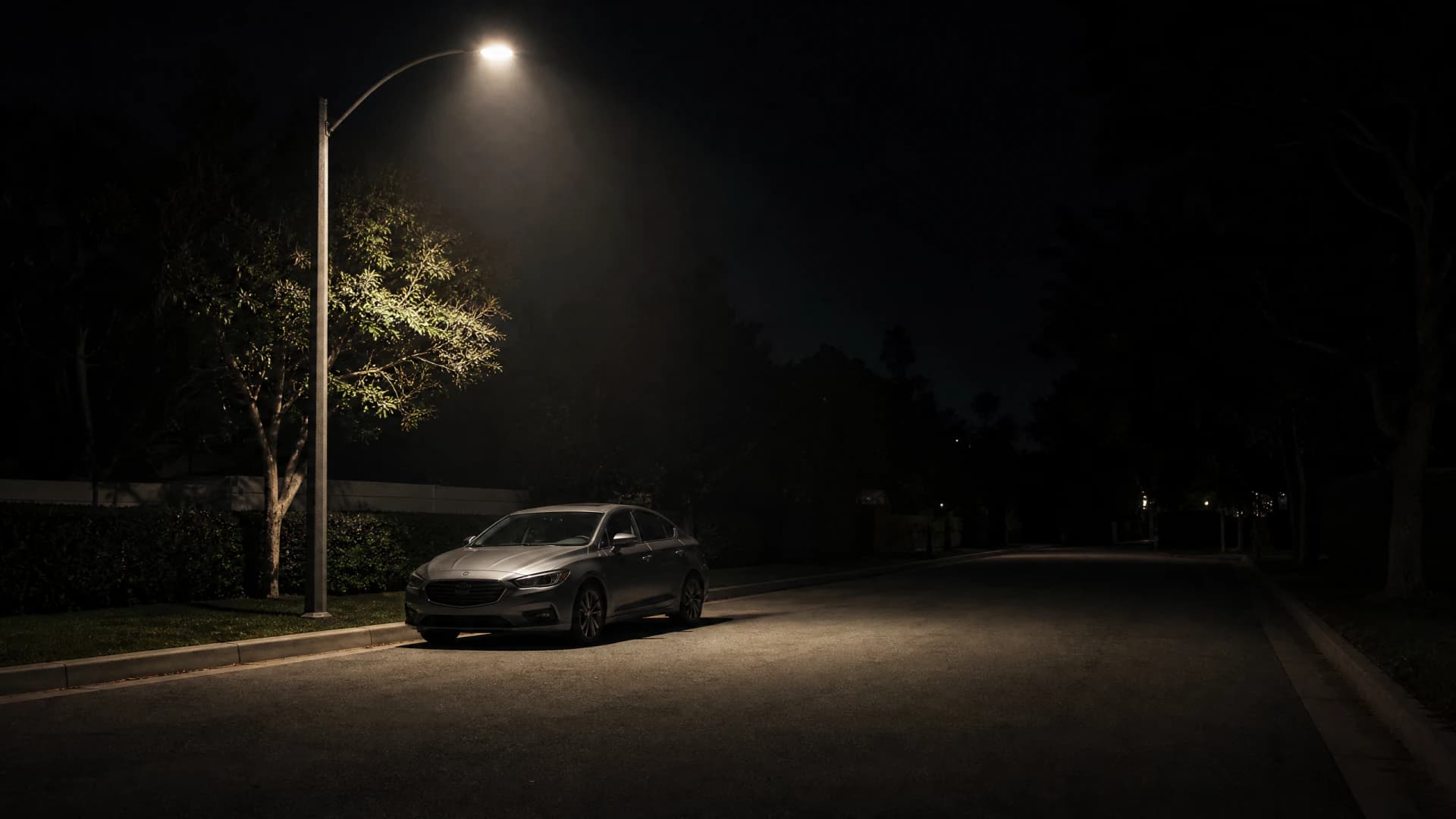
West Virginia's tort system means every vehicle on your policy shares the same liability exposure. One at-fault accident can trigger a lawsuit against your household.
Related Articles



How Claims Work in a Tort State
When another driver causes an accident and hits one of your vehicles, you file a claim against that driver's liability insurance. Their insurer investigates fault, and if their driver is at fault, their liability coverage pays for your vehicle damage and your medical bills. If the at-fault driver is uninsured or underinsured, your own uninsured motorist coverage steps in to cover the gap.
When one of your household's drivers causes an accident while driving one of your insured vehicles, the injured party files a claim against your liability coverage. Your insurer investigates, determines fault, and pays the claim up to your policy limits. If the claim exceeds your limits, the injured party can sue your household for the remainder. This is the structural difference between tort and no-fault: in a tort state, the at-fault driver's insurer pays, and the at-fault driver can be sued. In a no-fault state, each driver's own insurer pays their medical bills first, and lawsuits are restricted.
Households with multiple vehicles often carry higher liability limits and umbrella policies to protect against this exposure. A single serious accident involving one of your cars can produce a claim that exceeds state minimums by a wide margin, and West Virginia's tort system does not cap your liability the way a no-fault system would.
1.63
West Virginia Traffic Fatalities Per 100M Miles
West Virginia's fatality rate is higher than the national average. Serious accidents produce large liability claims, and in a tort state, those claims can exceed your policy limits and expose your household to a lawsuit.
West Virginia Division of Motor Vehicles, 2023

Optional Coverage That Matters in a Tort State
West Virginia does not require personal injury protection, but some households with multiple vehicles add medical payments coverage to their policies. MedPay pays your household's medical bills after an accident regardless of fault, up to the coverage limit you select. It does not replace health insurance, but it covers deductibles, copays, and expenses your health plan does not. In a tort state, MedPay gives you immediate access to funds without waiting for the at-fault driver's insurer to settle the claim.
Collision and comprehensive coverage are optional in West Virginia unless your lender requires them. Collision pays for damage to your vehicle when you cause an accident or when the at-fault driver is uninsured and your uninsured motorist property damage coverage is exhausted. Comprehensive pays for theft, vandalism, weather damage, and animal strikes. Households with multiple vehicles often carry these coverages on newer or financed cars and drop them on older vehicles with low market value.
Compare Carriers That Write Multi-Vehicle Policies in West Virginia
West Virginia's tort system does not change which carriers write multi-vehicle policies in the state, but it does change how you evaluate liability limits when comparing quotes. Carriers writing in West Virginia include Allstate, Farmers, Geico, Liberty Mutual, Nationwide, Progressive, State Farm, and USAA. Each offers multi-car discounts when you insure two or more vehicles on the same policy, but the size of that discount and the base rate vary by carrier.
When you compare quotes for a multi-vehicle policy, request liability limits higher than the state minimums. A household with two or more vehicles faces the same lawsuit exposure on every car, and state minimums may not cover a serious accident. Many carriers offer 100/300/100 or 250/500/100 liability packages at rates that are not dramatically higher than minimums, and those limits provide substantially more protection in a tort state. Use West Virginia Car Insurance Requirements' comparison tool to request quotes with higher liability limits across your household's vehicles and see how carriers price the difference.
What West Virginia Does Require
Every vehicle registered in West Virginia must carry liability insurance meeting the state's 25/50/25 minimums and uninsured motorist coverage. The state enforces this through the Online Insurance Verification Program, which cross-checks registration records against insurer filings. If your insurer cancels coverage on one of your vehicles mid-term and you do not replace it immediately, the DMV can suspend your registration and your driver's license. When you add a vehicle to your multi-car policy, your insurer reports that vehicle to the state system automatically.
West Virginia does not require personal injury protection, medical payments coverage, or collision and comprehensive coverage. Those are optional. Uninsured motorist coverage is mandatory and must match your liability limits unless you reject it in writing. In a state where 7.8% of drivers are uninsured, that coverage protects your household when an uninsured driver hits one of your cars and cannot pay for the damage.
Get Your Free Quote
Get My West Virginia Car Insurance QuoteFrequently Asked Questions
Does West Virginia require personal injury protection?
No. West Virginia does not require personal injury protection (PIP) coverage. The state mandates liability insurance and uninsured motorist coverage, but PIP is optional. Some households add medical payments coverage instead, which pays medical bills after an accident regardless of fault.
Can I be sued after an accident in West Virginia?
Yes. West Virginia is a tort state, which means the at-fault driver can be sued directly if their liability coverage does not fully pay for the injured party's damages. If your liability limits are too low and you cause a serious accident, the injured party can pursue your household assets in court.
What happens if an uninsured driver hits my car in West Virginia?
Your uninsured motorist coverage pays for your vehicle damage and medical bills when an uninsured driver hits you. West Virginia requires uninsured motorist coverage on every policy, and it must match your liability limits unless you reject it in writing. 7.8% of West Virginia drivers are uninsured.
Do I need higher liability limits if I insure multiple cars?
Yes. Every vehicle on your multi-car policy shares the same liability limits, and one serious accident involving any of those vehicles can exhaust your coverage. Many households with multiple cars carry 100/300/100 or higher liability limits to protect household assets in a tort state where lawsuits are not restricted.
How does West Virginia verify insurance on multiple vehicles?
West Virginia uses the Online Insurance Verification Program, which cross-checks vehicle registration records against insurer filings. When you add a vehicle to your policy, your insurer reports it to the state automatically. If coverage lapses on any vehicle, the DMV can suspend your registration and your driver's license.