
Personal Injury Protection Coverage — West Virginia
Free to compare
What PIP Covers When You Insure Multiple Vehicles
You're structuring coverage for two or more cars on one West Virginia policy, and Personal Injury Protection keeps appearing as an optional add-on. West Virginia does not require PIP — the state mandates $25,000/$50,000/$25,000 liability minimums and uninsured motorist coverage, but PIP is entirely optional. That means the decision to add it sits with you, and the choice affects every vehicle and every driver listed on your policy.
PIP pays medical expenses, lost wages, and certain other costs for you and your passengers after an accident, regardless of who caused it. It operates as first-party coverage: you file a claim with your own carrier, not the at-fault driver's insurer. When you add PIP to a multi-vehicle policy, the coverage extends to every car on that policy and every driver authorized to use them. Understanding what PIP actually pays for — and what it does not — determines whether the premium increase justifies the protection across your household's vehicles.
“PIP pays your medical bills first, before health insurance, and the at-fault driver's liability coverage never touches it.”

Get More Than the West Virginia Minimum for Less
Get My West Virginia Car Insurance Quote$25,000 / $50,000
West Virginia Liability Minimums
West Virginia requires $25,000 bodily injury per person, $50,000 per accident, and $25,000 property damage. PIP is optional; the state does not mandate no-fault medical coverage.
West Virginia Division of Motor Vehicles
Medical Expenses and Wage Replacement
PIP covers medical bills incurred by you, household members driving your vehicles, and passengers injured in an accident involving any car on your policy. This includes hospital stays, emergency room visits, surgery, diagnostic tests, prescription medications, physical therapy, and follow-up care. Coverage applies regardless of fault: if you cause the accident, PIP still pays your medical expenses up to the policy limit you selected.
Lost wages are the second major component. The exact percentage and cap vary by carrier and the PIP limit you choose. When multiple drivers in your household use the insured vehicles for work commutes, this wage-replacement feature protects household income if any driver is injured and cannot work.
PIP also covers essential services you cannot perform due to injury: childcare, housekeeping, lawn maintenance, and similar tasks you would ordinarily handle yourself. If you hire someone to perform these services while recovering, PIP reimburses the cost up to a specified sublimit. This component matters most for households where one person manages most domestic responsibilities — an injury that sidelines that person creates immediate out-of-pocket costs PIP can offset.
Funeral and burial expenses fall under PIP when an accident results in death. The coverage pays a specified amount toward funeral costs, reducing the financial burden on surviving household members. This benefit applies to any covered person: the policyholder, household members, and passengers.
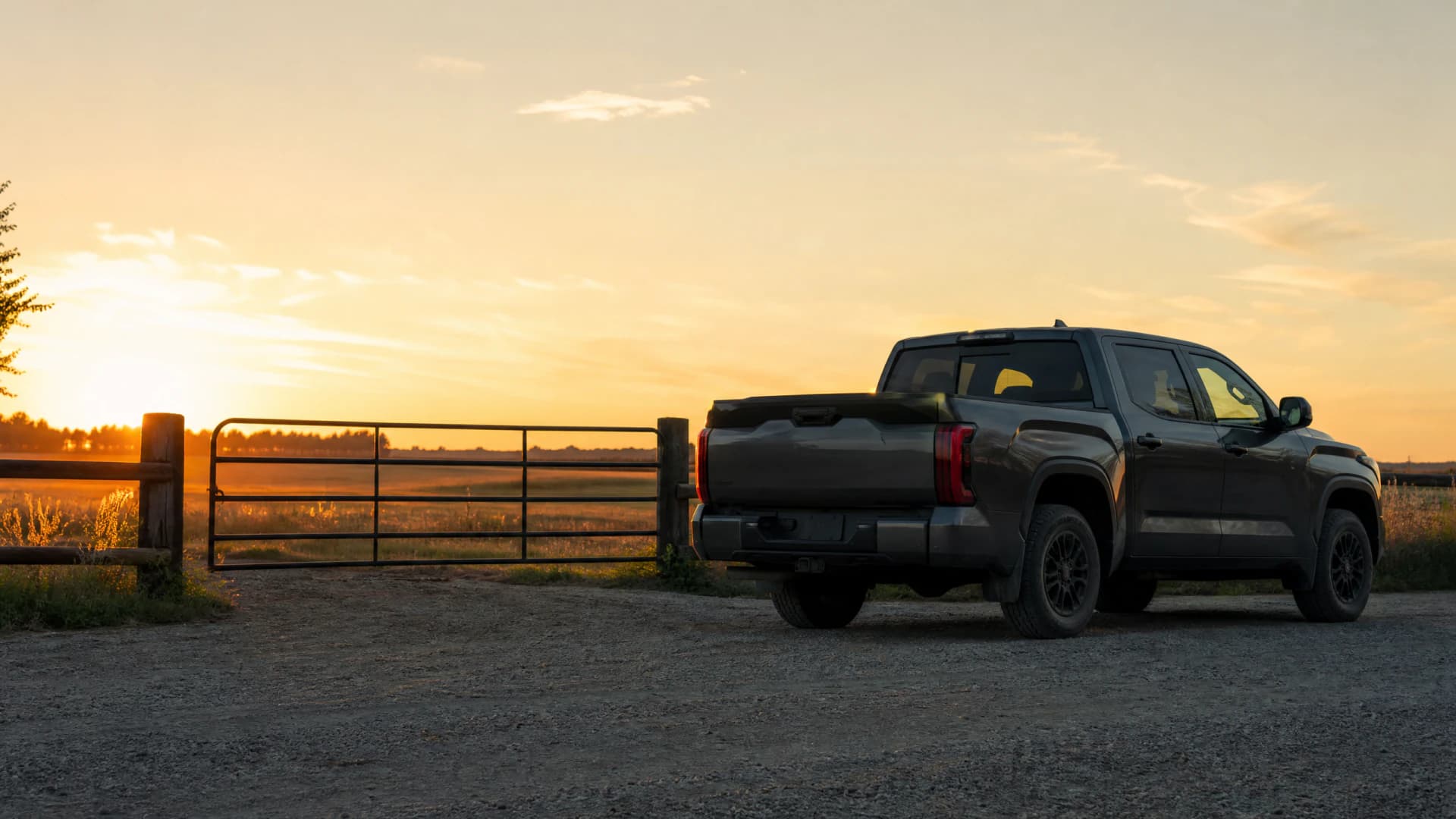
PIP pays your medical bills and lost wages first, before health insurance or the at-fault driver's liability coverage kicks in — but it does not replace liability coverage.
Related Articles




What PIP Does Not Cover
PIP does not pay for injuries you cause to other people. That responsibility falls to your liability coverage. If you injure another driver, a pedestrian, or passengers in another vehicle, your bodily injury liability coverage pays their medical bills and lost wages — PIP covers only your own injuries and those of people in your vehicle or household members driving your insured cars.
Property damage is excluded. PIP pays medical and wage-related costs, not vehicle repairs, personal property inside the car, or damage to structures or other property. Your collision and property damage liability coverages handle those claims. Pain and suffering, emotional distress, and non-economic damages are also excluded — PIP reimburses quantifiable economic losses only.
Pre-existing conditions and injuries unrelated to the accident do not qualify. If an accident aggravates a prior injury, PIP covers only the incremental medical costs directly caused by the accident, not ongoing treatment for the underlying condition. Carriers require medical records to separate accident-related treatment from pre-existing care, and disputes over causation are common when prior injuries exist.
7.8%
West Virginia Uninsured Motorist Rate
When an uninsured driver injures you, PIP pays your medical bills immediately while you pursue the at-fault driver's assets — a process that can take months and often recovers nothing.
Insurance Research Council, 2023

PIP Limits and Deductibles
West Virginia carriers offer PIP in increments ranging from $1,000 to $25,000 or higher, depending on the insurer. The limit you select applies per person, per accident. When you insure multiple vehicles, the same PIP limit applies to every car on the policy — you do not select different limits for different vehicles.
Deductibles are optional. For households with strong health insurance and low deductibles, adding a PIP deductible may make sense — you are already accustomed to paying the first few hundred dollars of medical costs. For households with high-deductible health plans, a zero-deductible PIP policy eliminates all out-of-pocket costs for accident injuries up to the PIP limit.
Whether Your Household Needs PIP
PIP makes the most sense for households with high-deductible health insurance, multiple drivers who commute daily, or anyone whose health plan excludes auto accident injuries. For a household insuring three vehicles with several daily commuters, that protection applies to every driver and every car.
Households with comprehensive health coverage and low deductibles gain less from PIP. Your health plan already covers accident injuries with minimal out-of-pocket cost, and PIP becomes redundant except for the wage-replacement and essential-services components. Compare your health plan's deductible, co-pays, and out-of-pocket maximum against the cost of adding PIP to your auto policy. If the premium increase exceeds the health insurance costs PIP would eliminate, the coverage may not justify the expense. Compare West Virginia carriers to see how PIP pricing varies — some insurers price it aggressively for multi-vehicle policies, others do not.

Add PIP or Compare Carriers
Contact your current carrier to request a quote with PIP added to your multi-vehicle policy. Ask for the per-person limit options, whether a deductible is available, and how the premium changes when you add coverage to every vehicle on the policy. If the increase is significant, request quotes from at least two other carriers that write West Virginia auto insurance — PIP pricing varies widely, and a carrier that prices your liability coverage competitively may charge more for PIP than a competitor. Comparing three quotes isolates the best combination of liability, uninsured motorist, and PIP coverage for your household's vehicles.
How PIP Coordinates With Health Insurance
PIP is primary: it pays first, up to its limit, before your health insurance processes the claim. This sequence means PIP can eliminate out-of-pocket health insurance costs for injuries within the PIP limit. For households where multiple drivers share one health plan with a high deductible, PIP effectively replaces that deductible for accident-related injuries.
Some health plans include subrogation clauses that allow the insurer to recover payments from your auto carrier when an accident caused the injury. PIP limits subrogation: because PIP is first-party coverage you purchased, your health insurer cannot subrogate against it. This protects your PIP limit from being consumed by your health plan's recovery efforts. When structuring coverage for multiple vehicles, confirm whether your health plan's subrogation language affects how PIP and health insurance interact — some plans waive subrogation for PIP, others do not.
Get Your Free Quote
Get My West Virginia Car Insurance QuoteFrequently Asked Questions
Does PIP cover passengers in my car?
Yes. PIP covers you, household members driving your insured vehicles, and any passengers injured in an accident involving a car on your policy. Each person's medical expenses are paid up to the per-person limit you selected.
Can I use PIP if I caused the accident?
Yes. PIP is no-fault coverage — it pays your medical bills and lost wages regardless of who caused the accident. Your liability coverage pays for injuries you cause to others; PIP pays for your own injuries.
Does PIP replace my health insurance?
No. PIP pays first, up to its limit, then your health insurance covers remaining medical costs subject to deductibles and co-pays. PIP eliminates out-of-pocket health insurance costs for injuries within the PIP limit but does not replace comprehensive health coverage.
What happens if my medical bills exceed my PIP limit?
Your health insurance covers costs above the PIP limit, subject to your plan's deductible, co-pays, and out-of-pocket maximum. If the at-fault driver has liability coverage, you can also file a claim against their bodily injury liability policy for amounts your PIP and health insurance do not cover.
Does PIP cover chiropractic care or physical therapy?
Yes, if the treatment is medically necessary and related to the accident. PIP covers chiropractic adjustments, physical therapy, massage therapy, and similar rehabilitative care up to the policy limit, subject to any sublimits the carrier imposes for alternative or non-traditional treatments.
Can I add PIP to just one vehicle on my policy?
No. When you add PIP to a multi-vehicle policy, it applies to every car on that policy. You cannot select PIP for one vehicle and exclude it from others — the coverage is policy-wide.
Does PIP pay for time off work if I'm self-employed?
Yes. PIP reimburses lost income for self-employed individuals, but you must document your earnings with tax returns, profit-and-loss statements, or other records your carrier accepts. The reimbursement percentage and weekly cap apply the same way they do for W-2 employees.